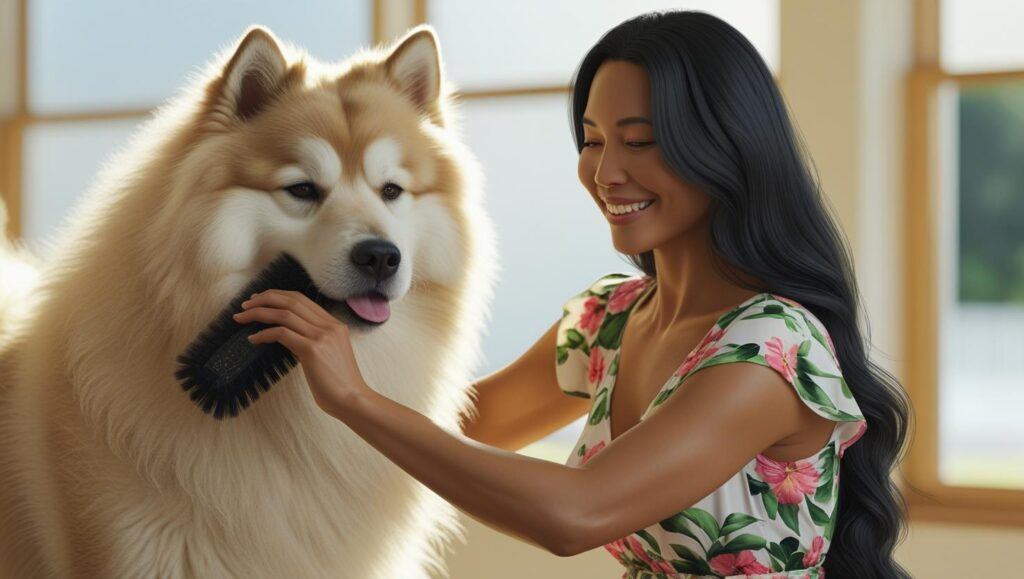
Grooming might sound like a vanity project for your pet, but it’s far more about health than style. Removing dirt, dander, and shedding fur is crucial for keeping your pet comfortable and clean. Unkempt fur can become a breeding ground for parasites and bacteria, which can lead to skin problems or infections.
When it comes to grooming supplies, there’s no one-size-fits-all approach. Dogs might need sturdy brushes for their thick coats, while cats could benefit from gentler combs. Even small animals like rabbits and guinea pigs may need the occasional grooming to keep them in top shape. No matter the pet, always go for high-quality supplies to avoid irritation and ensure effectiveness.
Picking the right products can feel overwhelming, so start with the basics: shampoo, combs, nail clippers, and maybe a good pet conditioner if your furry friend has a lot of fur. Opt for products that are free from harsh chemicals and focus on those made specifically for your pet’s type and breed.
Grooming isn’t always easy. Some pets may squirm, hide, or protest. Patience is your best friend in these situations. Create a calming environment, use treats as rewards, and keep sessions short to make the whole process less stressful for both you and your pet.
Tailoring Grooming Supplies to Your Pet’s Needs
Every pet is unique and deserves a grooming routine that matches their specific requirements. Breed plays a major role in determining what you’ll need. Long-haired breeds might require a different brush compared to their short-haired counterparts, so it’s wise to know what works best for your pet’s coat type.
Sensitive skin can be a real issue for some pets, and hypoallergenic products are a lifesaver here. They help avoid nasty reactions while leaving fur soft and clean. It’s worth investing in products that focus on sensitive care if your pet tends to get irritated easily.
When it comes to grooming tools, brushes and combs are just the beginning. Scissors, nail grinders, and clippers play a pivotal role too. Always prioritize safety over style when using these tools to prevent any accidental cuts or discomfort.
As the seasons change, so should your grooming routine. This means that coat care might need to ramp up during shedding seasons and ease off in winter. Paying attention to these changes ensures your pet remains comfy throughout the year.
Expert Techniques and Tools: Elevating Your Grooming Game
Bringing professional grooming techniques into your home doesn’t mean complicating things. With advanced tools, you can achieve that salon finish without leaving your living room. High-quality hair clippers or deshedding tools can save time and effort while making your pet look their best.
While sustainable products may come at a slightly higher initial cost, they’re built to last longer, providing better value over time. Keep an eye on durability and effectiveness, ensuring that your choices benefit both the environment and your budget.
For the more hands-on pet parent, step-by-step guides can be helpful. Learning the right way to wash your pet involves more than just a hose and hope. Proper nail trimming is crucial to avoid painful cracks or splits, and ear cleaning is key for preventing infections. Follow tried-and-tested steps to get these right every time.
Addressing tangles, mats, and shedding issues is part of the grooming journey. Using detangling sprays or conditioners can make a huge difference. Gentle brushing techniques not only preserve the quality of their coat but also reduce shedding around the house.
Consistency is key. Regular grooming helps maintain hygiene and prevent unpleasant odors. By establishing a routine, both you and your pet will find grooming to be a more natural and pleasant experience.
Grooming Supplies and Sustainability: Choosing Eco-Friendly Options
Choosing eco-friendly grooming supplies isn’t just a trend—it’s a thoughtful step for the planet and your pet. By reducing your carbon pawprint, you contribute to a healthier world while keeping your furry friend clean and comfy.
Sustainable grooming supplies often mean natural ingredients and recycled packaging, making them better for both pets and the earth. Look for shampoos and conditioners that contain biodegradable elements and are free from artificial scents and dyes.
Creating DIY grooming solutions can also be a fun and cost-effective way to go green. Simple ingredients like oatmeal and coconut oil can serve as natural cleansers or moisturizers, keeping your pet’s coat luscious without harsh chemicals.
Amazon Associate creator receives compensation for qualified purchases








 Understanding Their Behavior and Needs
 Smart pets love a challenge, and keeping their brains buzzing with activity is just as important as taking them out for exercise. When you cater to their mental needs, you’re keeping them happy—all while trying to prevent them from rearranging your living room when you’re not looking.