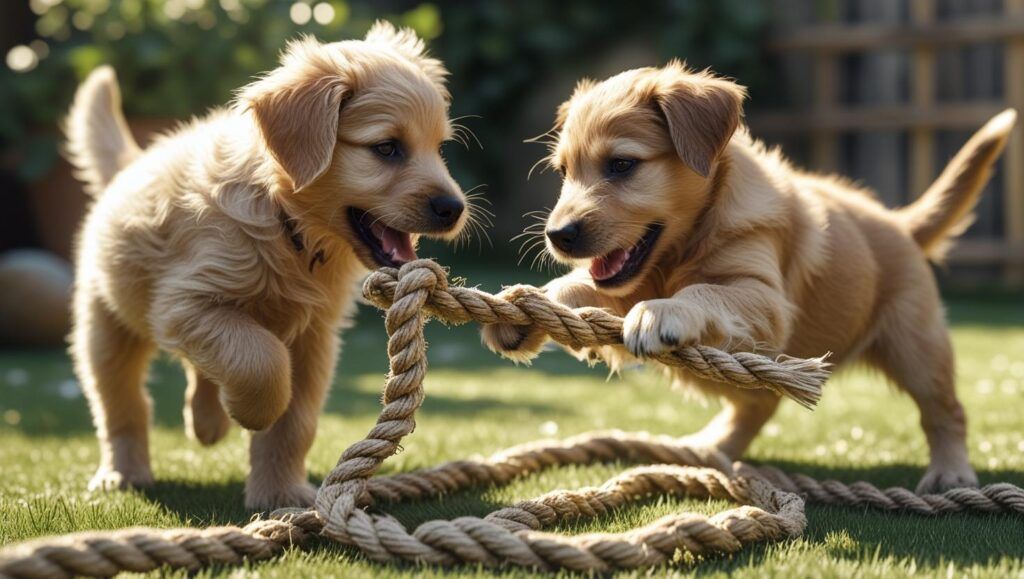
Puppies are cute little bundles of energy and curiosity. Their biting behavior often stems from natural instincts and a need to explore their environment. Understanding the reasons behind this behavior is key to addressing it effectively.
It’s important to know that puppies bite as part of their teething process. Their little jaws are developing, and biting helps alleviate the discomfort just like babies chewing on teething rings. This type of biting isn’t aggressive; it’s a natural part of growing up.
Playful biting is common among puppies, especially during playtime. They might see their human companions as playmates, and nipping is their way of interacting. However, distinguishing such playful nips from potentially aggressive biting is essential.
A significant influence on whether a puppy bites more or less is their socialization. Puppies need to learn how to interact with people and other animals, and effective socialization reduces anxiety and the likelihood of defensive biting. Ensuring a puppy is comfortable in various settings helps diminish unnecessary biting.
Techniques to Discourage Biting
Stopping your puppy from biting isn’t as daunting as it seems when you arm yourself with positive reinforcement training. Ensuring your puppy knows when they’ve crossed a line can make all the difference. When your cute little fuzzball gets a bit nippy, calmly and firmly say, ‘No bite,’ and offer them a toy instead. Replacing your fingers with a chew-friendly option teaches what’s acceptable to gnaw on.
Training’s all about consistency. Make sure every family member uses the same commands and strategies so your puppy doesn’t get mixed signals. It helps them learn faster and keeps confusion at bay.
Interactive toys can be your best buddies here. Choose chew toys and puzzle games that keep your puppy engaged and busy. These toys don’t just satisfy their urge to bite but also mentally stimulate them, a win-win in every way.
Consider the environment too. Ensure your space is set up to support this training. Puppy-proofing your surroundings by removing easily chewable items or anything with tempting textures can redirect their attention to the right kind of biting targets.
Creating a Safe and Supportive Environment
Crafting an ideal setting for your puppy can set the stage for successful behavior training. Less clutter means fewer chances for your puppy to get into mischief or develop unwanted habits.
Consider investing in helpful tools like baby gates or playpens to keep your pup’s play space safe and contained. This allows them to play freely without you worrying about their safety or them munching on forbidden objects.
Establishing boundaries is crucial. Structure playtime so your puppy understands when it’s time for fun and when it’s time to chill. Consistent routines help them feel secure and reinforce positive behavior.
Encouraging gentle play can build a strong bond between you and your pup, reducing anxiety-driven biting. When they’re having fun and feel loved, puppies are less prone to act out.
Beyond just managing play, stepping up as a calm and steady leader helps build trust. Your pup looks to you for guidance, and when they feel supported, they’re more likely to follow your lead.
Long-term Strategies and Maintenance
Once your puppy has learned not to bite as a part of their initial training, it’s important to stick to those habits as they grow. Regularly checking in on their progress and fine-tuning your techniques can make a huge difference. Keep an eye out for any signs of regression, like more frequent nipping, and be ready to address them promptly.
If biting becomes persistent or hard to manage, don’t hesitate to reach out to a professional trainer or a behavior specialist. They can offer invaluable insight and tailored strategies for your specific pup’s needs.
Regular vet visits are equally crucial, ensuring your furry friend is in top health. Sometimes health issues can manifest as behavior changes including increased biting, so keeping up with check-ups helps safeguard against this.
Remember, you and your puppy are a team. As they grow, your relationship with them evolves too. Staying patient and adaptable, while consistently encouraging good behavior, paves the way for a happy, well-behaved dog.

Amazon Associate receives compensation for qualified purchases