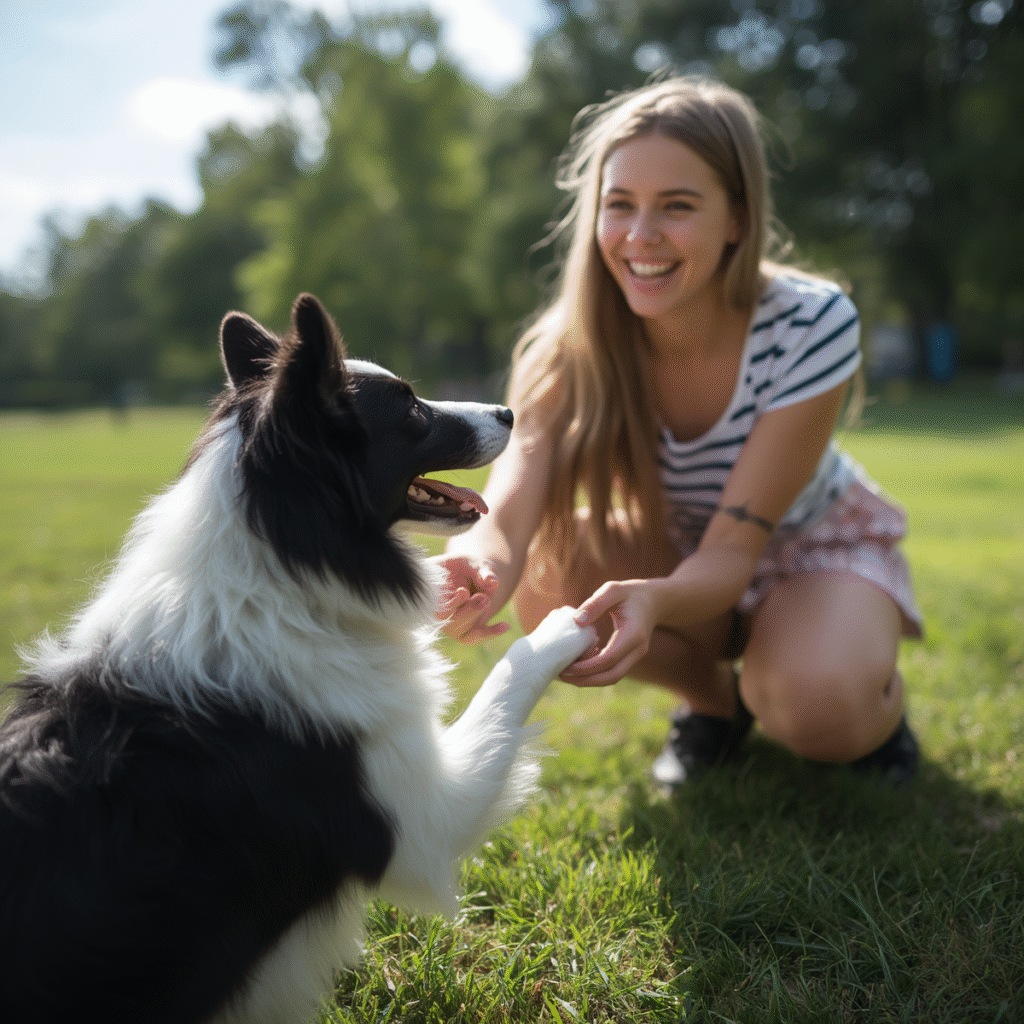
Let’s start by acknowledging that dogs feel the heat a lot more than you might think. While we humans have this amazing ability to sweat and cool ourselves down, dogs aren’t so lucky. They rely mostly on panting and a bit through their paw pads to regulate temperature. That means blazing summer days can be particularly rough on them.
You know, one of the sneakiest things about heat stress in dogs is how quickly it can sneak up. It usually kicks off with symptoms like excessive panting, drooling, or even lethargy. If you spot your dog acting a bit off on a hot day, it’s a signal they’re struggling with the heat. And it’s not just being slightly uncomfortable—it can escalate into a serious health crisis.
Heatstroke in dogs is terrifyingly real. Here’s the gut punch: it can lead to organ failure or even be life-threatening if not addressed quickly. So awareness is a must, especially because dogs can’t quite speak up about how they’re feeling. Shaking uncontrollably, collapsing, or refusing to move are emergency red flags. When you see this, it’s time to act fast.
Some dogs are at greater risk because of their breed or existing health conditions. Breeds with flat faces like pugs and bulldogs are particularly prone because their breathing isn’t as efficient. Overweight dogs, older dogs, or those with heart or lung issues also need special care and attention. Basically, if you think a human would find it hard under those conditions, quadruple that concern for your furry pal.
Preparing Your Dog for Outdoor Activities
Timing is everything when planning outdoor fun with your dog. You’ll want to aim for early mornings or late evenings when the sun isn’t as fierce. Midday sun is just way too intense and could turn your fun outing into a danger zone.
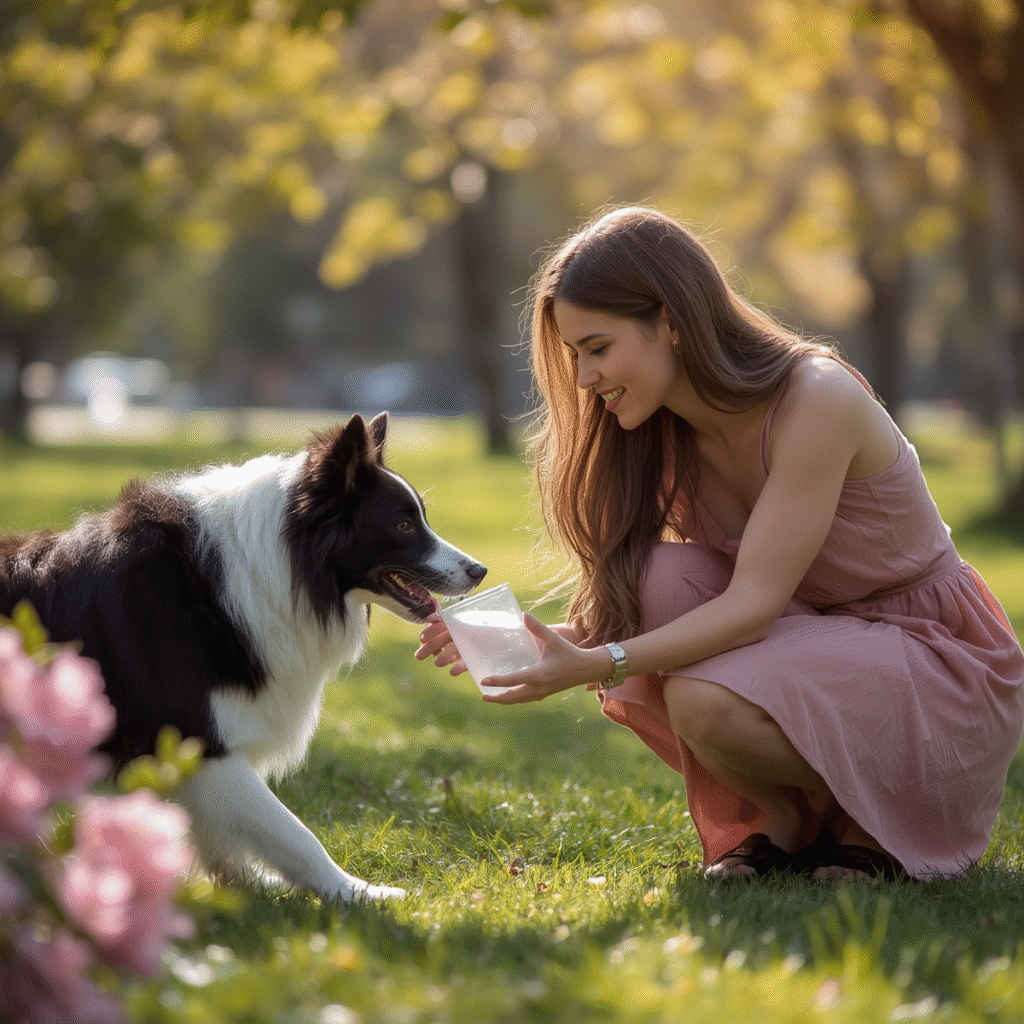
Keeping your dog hydrated is non-negotiable. Always pack extra water—more than you think you need. Portable water bowls or pet-specific water bottles make it easy to keep your pup refreshed on the move. Our furry friends can’t exactly tell us they’re thirsty, so ensure water breaks are frequent.
Never underestimate the power of awesome gear. Cooling vests are a game-changer, offering a portable way to keep your dog comfortable. They’re especially great if you’re headed out for a hike or a day at the park. Even cooling bandanas help a lot, providing relief around their necks.
Scope out safe and shady spots for your adventures. Whether it’s a stroll through the park or a backyard romp, prioritize areas where the ground isn’t burning hot. Asphalt and sandy surfaces can cause nasty burns on their paws, so check the temperature with your hand before trotting off.
Creating a Cool Comfort Zone at Home
A home that’s too warm spells trouble for your dog, so focus on keeping their space cool and comfy. Good ventilation is key, so make the most of fans or air conditioners when the temperatures rise. It’s not just about comfort—it’s about safety.
Cooling mats can be serious lifesavers. They’re designed to absorb heat from your dog’s body, providing instant relief. Plus, they’re perfect for any cozy corner your pup loves to curl up in.
Always keep fresh water within reach. Try placing a couple of water bowls around the house. Thirsty dogs tend to drink as they need, so having multiple spots reduces dehydration risk on scorching days.
For an easy cool down, wet towels or misting their fur lightly can help soothe that summer heat. And while throwing open the windows seems like a good idea, shade is essential. Curtains or blinds can block out direct sunlight, turning your dog’s hangout into a refreshingly cool den.
Emergency Measures and When to Contact a Vet
Spotting early distress signs in your dog during hot weather can be a real lifesaver. If you notice rapid breathing, excessive drooling, or even confusion, don’t panic, but pay attention. These are initial cues something’s off with your pooch.
Quick action is crucial in a heat-related emergency. Move your dog to a shaded and cool area. Offer small amounts of water; never force them to drink. Use a damp cloth to gently cool their fur, focusing on their paws and belly. It’s about getting their temperature down gradually.
Avoid the temptation of ice-cold water or ice packs directly on the skin—this can shock their system. If you do use ice packs, wrap them in a towel first and apply gently.
When you see worsened symptoms like vomiting, seizures, or if your pal goes unresponsive, don’t wait around. It’s vet time. Better to get a professional involved than to wait it out at home. Emergency care can make all the difference in these situations.
Amazon Associate receives compensation for qualified purchases