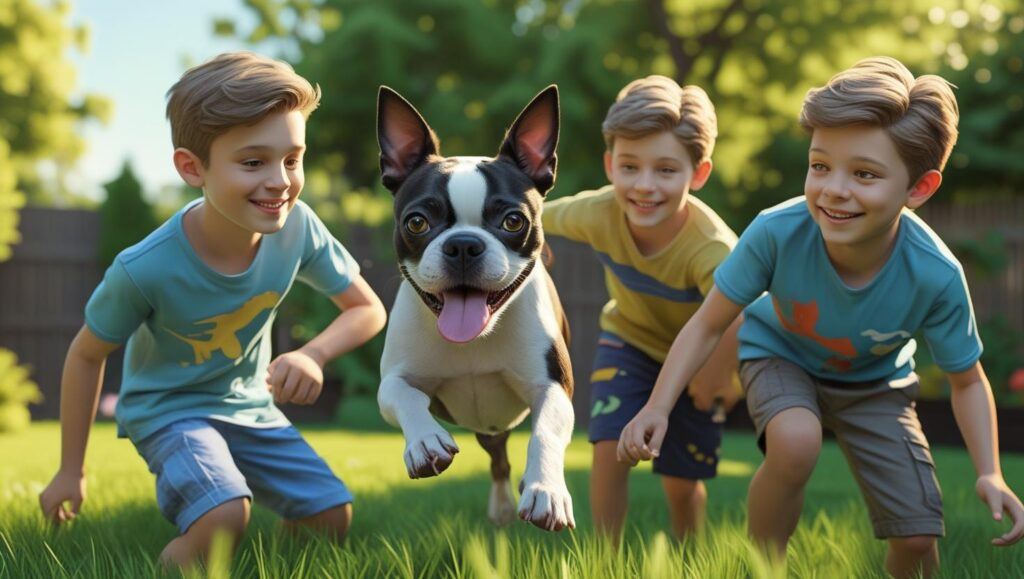
Separation Anxiety Of Dogs

Separation anxiety might sound like a fancy term, but it’s quite simple. It’s when dogs stress out big time when their humans leave them alone. Imagine having your best friend vanish from your life a few times a day; that’s how some dogs feel. This isn’t just missing you a little; it’s full-blown panic mode for our furry pals.

Certain dog breeds are more prone to this kind of anxiety. We’re talking about breeds like Labradors, Border Collies, and even the smaller guys like Chihuahuas. These dogs usually form strong bonds with their owners, making them feel extra vulnerable when you step out the door. But guess what? Any dog can develop separation anxiety, regardless of breed or size.

So, what gives? Why do some dogs get all worked up? A few things might be at play. Previous traumas, like being left at a shelter or being rehomed, can leave deep marks. It also doesn’t help if they’ve been coddled too much or experienced recent changes in routine or environment. All these shifts can translate into a wave of anxiety whenever they’re left alone.

Recognizing Signs and Symptoms of Anxiety

Spotting separation anxiety in your dog is a bit like playing detective. You’ve got to look for the clues they leave behind. One big sign is destructive behavior. If Fido is gnawing at the furniture or making a mess when you’re out, anxiety might have a paw in it. It’s not spite; it’s stress.

Another thing to watch for is excessive barking or howling. If your neighbors know your dog’s opinion on your absent time, that’s a red flag. Some dogs even follow you around before you leave, sticking to you like glue, which can also indicate a fear of separation.

Physiological symptoms can also rear their heads. This can mean drooling, heavy panting, or even attempts to go all Houdini on you by escaping. It’s more than just quirky behavior; it’s a sign that they might need some extra support.

Hearing from other pet owners can be super helpful. Tons of dog owners have shared their stories about realizing something was amiss. There’s real power in connecting with others who’ve walked this path and picked up useful tips along the way. Sharing stories not only offers guidance but reminds everyone they’re not alone in dealing with a troubled pup.

Strategies to Manage and Alleviate Separation Anxiety

When it comes to easing separation anxiety in dogs, there’s hope. Training techniques are a great place to start. Gradually get your dog used to being alone for short periods, building up to longer times. It’s like baby steps for a more relaxed, independent pooch.

Consider introducing positive associations when you leave. Toss them a treat or a favorite toy right before you head out. This turns the ordeal of you leaving into a yay-moment they can chew on for a while.

Consistent routines can do wonders. Dogs are big fans of predictability; it gives them a sense of security. Keeping feeding, walks, and playtime on a regular schedule helps them know what to expect, making alone time easier to handle.

Calming products can also work wonders. We’re talking about things like anxiety wraps or pheromone diffusers. These create a serene vibe to chill out an anxious pup. Some pet owners also swear by natural supplements, but it’s a good idea to chat with a vet before changing up their diet.

Speaking of vets, they’re your go-to when anxiety levels are through the roof. Sometimes professional training or even medication is needed to ease serious cases. Working with a vet or a professional trainer can give your dog the best shot at feeling safe and secure again.

Amazon Associate receives compensation for qualified purchases

Shop Amazon

English Mastiff

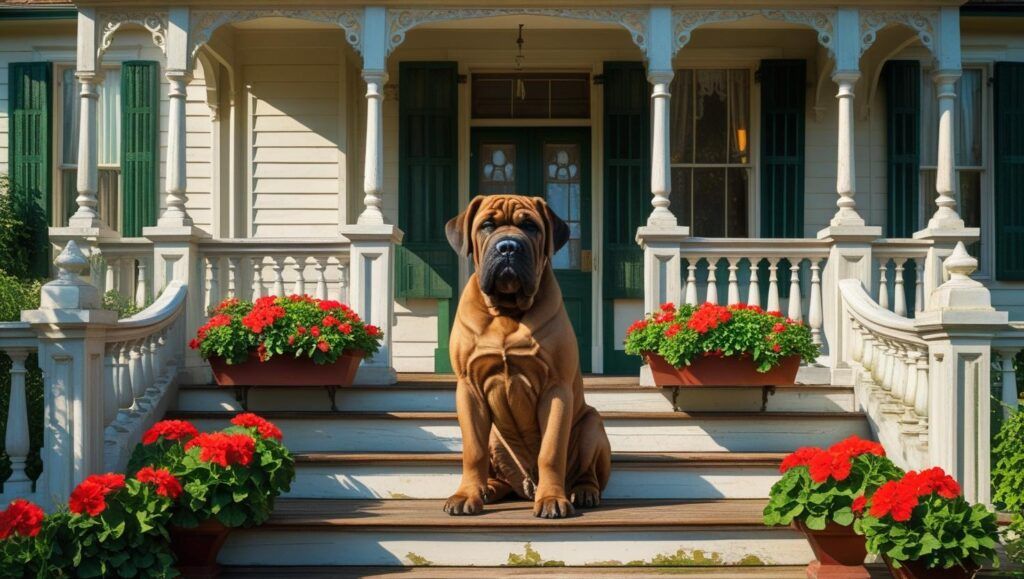
We all know dogs bring a unique kind of joy to households, and if any breed screams ‘statement,’ it’s the English Mastiff. These gentle giants boast a fascinating history dating back thousands of years, with their roots planted in ancient times. From the Roman arenas to the estates of English elites, they have earned their stripes as both formidable guard dogs and loyal companions.

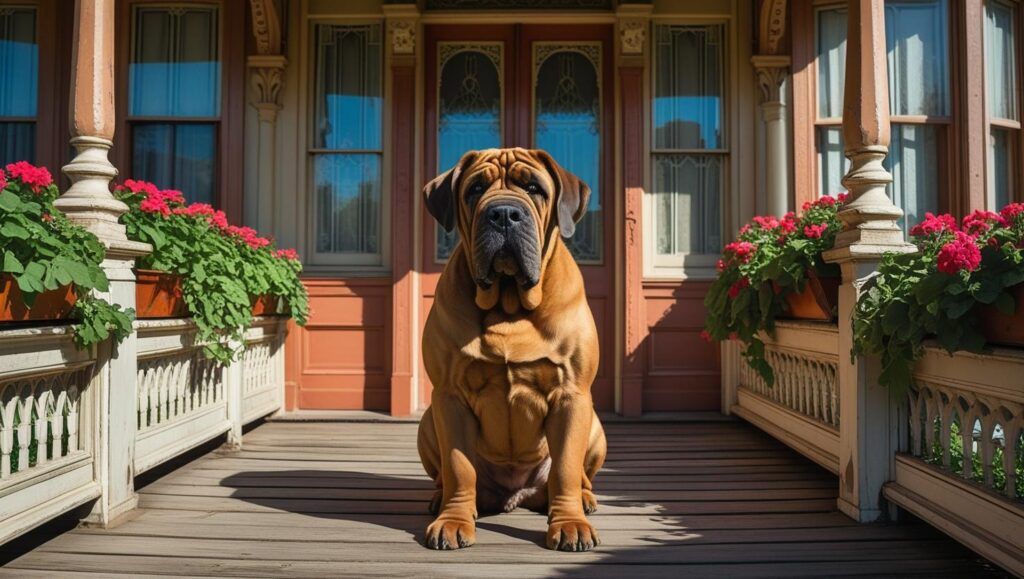
What truly sets them apart is their immense size and iconic appearance. These dogs can weigh as much as some humans, topping up to 230 pounds. That’s right, they’re massive! Their muscular build and broad heads paired with soft, pleading eyes create a striking balance between power and warmth.

And speaking of warmth, their temperament is just as impressive. Despite their intimidating size, English Mastiffs are known to be incredibly gentle and affectionate. A popular choice for families, they can display endless patience, especially around kids. But don’t be fooled; they still have that protective streak when needed. Their role as protectors dates back to days when they were used for guarding estates and participating in battles.

If you’re looking for a dog with a rich legacy and a heart that matches its size, the English Mastiff could be just your match. Owning one is like bringing a piece of history into your home, all wrapped in fur and slobbery kisses.

Care and Maintenance for Your English Mastiff

Feeding an English Mastiff isn’t just about pouring kibble into a bowl. These giants have dietary needs as oversized as their paw prints. A balanced diet packed with nutrients is crucial. They need high-quality dog food, with a mix of proteins, fats, and carbs to fuel their massive frames and maintain that healthy bulk.

Exercise is a must to keep your English Mastiff fit, but unlike smaller dogs, they don’t need hours of zoomies in the park. Given their size, a couple of moderate walks each day or some backyard playtime usually suffices. Keep in mind to avoid strenuous activities that might be tough on their joints.

Let’s talk grooming. Their short coats demand less fuss than fluffier breeds, but they do shed. Regular brushing helps keep that sleek look and reduces the hair tumbleweed effect in your home. Don’t forget their nails and, yes, those jowls. A quick wipe here and there helps keep drool at bay and their skin healthy.

Health is important, especially for large breeds like the English Mastiff. They can be prone to certain issues like hip dysplasia, heart problems, and bloat. Regular vet check-ups and being aware of any unusual behavior or symptoms is just part of the gig. Keeping them healthy helps ensure you’ll get to enjoy those loyal eyes and soft snuggles for as many years as possible.

The Enigmatic Characteristics of an English Accent

Ever wondered if English Mastiffs bark with a heavy English accent? Well, it’s more about their unique vocalizations than accents. Mastiffs have a deep, rumbling bark that’s as grand as they are. Whether they’re alerting you to a visitor or responding to a squirrel, their voice is distinct and resonates through the house.

Now, you might find yourself comparing their sounds to other breeds and wondering if you hear a touch of sophistication in it. But it’s all in good fun! Like all dogs, their bark is more about conveying messages rather than specific accents. Each bark or yip tells you something—hunger, play, warning, or seeking attention—it’s about learning to decode those sounds.

Getting the hang of what your Mastiff is trying to say can be a wonderfully rewarding part of owning one. You’ll start to notice the difference between their playful grumbles and that serious approach when they sense something unfamiliar. It’s communication at its finest.

So, while they might not be reciting Shakespeare, English Mastiffs do have a voice that demands attention and respect. And believe me, understanding and responding to their cues will deepen your bond and make life with your Mastiff even more delightful.

Welcoming an English Mastiff into Your Home

Training is essential to ensure they grow up well-behaved and are comfortable in different scenarios. Mastiffs, despite their size, respond wonderfully to positive reinforcement. Early socialization helps refine their natural protective instincts while maintaining their gentle nature around guests and strangers.

A Mastiff’s loyalty shines brightest in how gently they’ll engage with your kids and pets. They’re big, but they’re also supremely patient and loving. Just be sure to supervise playtime to ensure everyone’s enjoying themselves safely.

Owning such a magnificent pet is a big commitment. Expect to spend quality time providing the care and attention they deserve. They may require more hands-on care than smaller breeds, but the companionship they offer in return is profoundly rewarding. With a Mastiff around, you’re never short of love or a fun story to share.

Amazon Associate creator may receive compensation for qualifying purchases

Doberman Dog

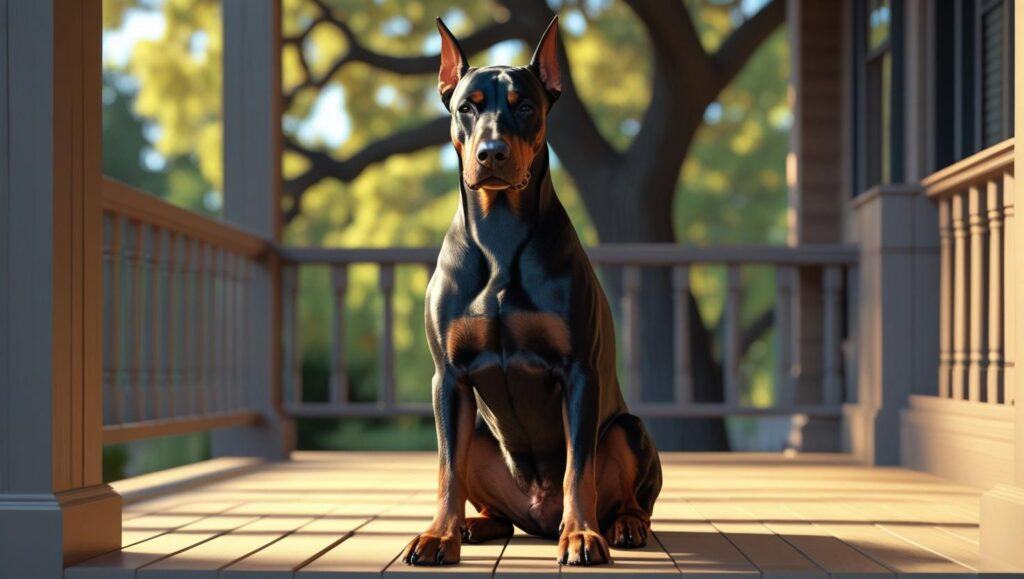
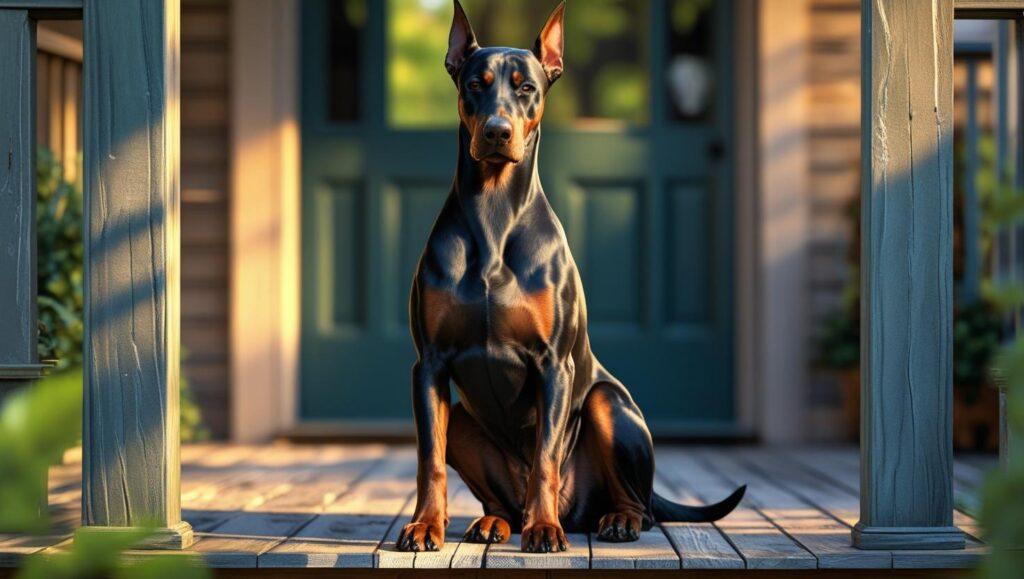
Ever wonder where the sleek and powerful Doberman comes from? Well, this intelligent dog owes its origins to Germany, back in the late 19th century. The breed was developed by a tax collector named Karl Friedrich Louis Dobermann, who wanted a loyal companion for protection during his rounds. And let me tell you, they sure hit the mark.

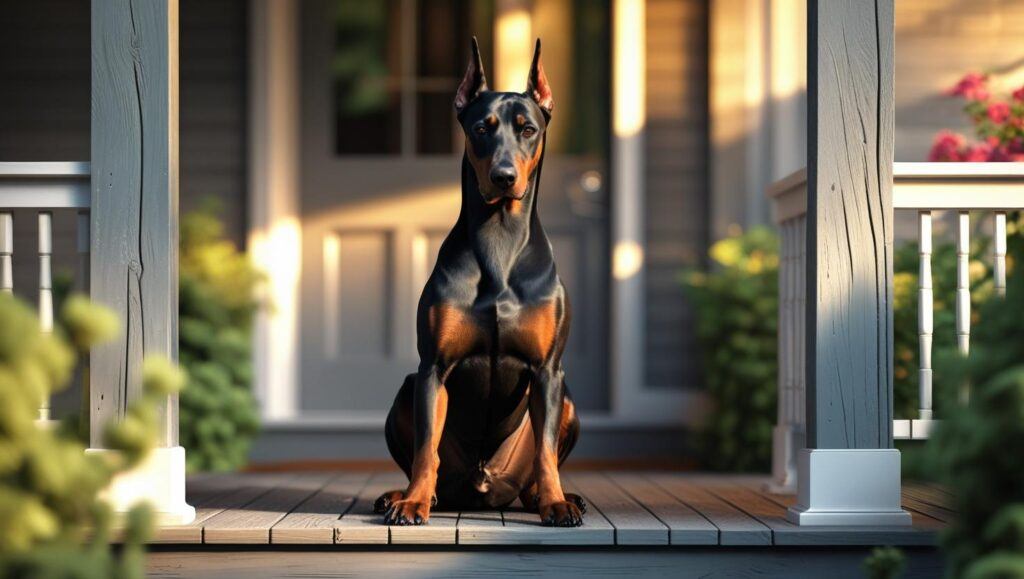
Standing tall with those sharp alert ears, Dobermans are known for their striking appearance. Typically, they range from medium to large in size, with a glossy coat that comes in a few color variations like black, blue, red, and fawn. Muscular and built for agility, these dogs have a commanding presence that’s hard to miss.

When it comes to independence and intelligence, Dobermans are right up there. They’re known for being fearless and loyal, both as working dogs and as members of the family. Their protective nature is balanced by their affectionate side, making them great companions if you harness their energy correctly. Plus, they’re pretty darn smart, consistently ranking high among the most intelligent breeds.

Dobermans have evolved from being primarily guard dogs to playing diverse roles like family pets, service dogs, and even therapy dogs. Their versatility and trainable nature have allowed them to fit into various roles throughout history, adapting to the needs of those who rely on them.

Training and Socialization: Making the Most of Your Doberman’s Intelligence and Energy

These dogs thrive on structured learning. Using positive reinforcement, like treats and praise, makes a big difference. Dobermans respond well to clear, assertive leadership without being harsh. Keeping training sessions varied and fun helps maintain their interest and keeps them engaged.

While they’re naturally protective, socialization is key to balance this trait. Letting your Doberman meet a variety of people, places, and other pets early on teaches them to stay calm and confident in any situation. Remember, a well-socialized Doberman is a better-behaved Doberman.

Sometimes, you might bump into a few behavioral challenges, like over-guarding or jumping. No worries, redirecting their attention to something constructive, like a favorite toy or puzzle feeder, often works wonders. Consistency and patience are your allies in guiding them through these hiccups.

Health and Wellness: Ensuring a Healthy Life for Your Doberman

Taking care of a Doberman starts with regular vet check-ups and vaccinations. Getting ahead of any health issues is crucial. These lively companions need their annual exams and shots to keep them in top shape.

Dobermans, like any breed, have their own set of health concerns. Knowing them can make a difference. They sometimes suffer from dilated cardiomyopathy, hip dysplasia, and von Willebrand’s disease. Keeping an eye out and discussing these with your vet helps manage or even prevent complications.

Feeding your Doberman the right diet is another part of keeping them healthy. These dogs need a balanced diet rich in protein to support their muscles and energy levels. Premium dog food brands often know what’s best, but a chat with your vet about specific needs doesn’t hurt either.

Exercise isn’t just a pastime for a Doberman; it’s a necessity. Regular playtime and walks help prevent obesity and keep them mentally stimulated. For a breed that loves a challenge, agility courses or simple games of fetch are great options to burn off some of that dynamic energy.

Living with a Doberman: Everyday Life and Companionship

Deciding to bring a Doberman into your home is a big commitment and not to be taken lightly. These dogs are dedicated and protective, often becoming a close part of the family. But they need the right environment to thrive.

To make your house a home for a Doberman, focus on creating a positive atmosphere. They need a space where they can stretch their legs and burn off their boundless energy. A secure yard works wonders, coupled with plenty of toys and activities.

Regular grooming plays a role in their upkeep, though Dobermans are relatively low maintenance. Their short coat just needs a weekly brush to keep shedding under control. And don’t forget those nails—they need trimming regularly to keep them comfortable.

Ultimately, sharing your home with a Doberman is incredibly rewarding. They’re loyal and loving, making them not just pets but cherished family members.

Reading your Doberman’s behavior is all about understanding their cues. Whether they’re nudging you for attention or alerting you to something unusual, learning to interpret these signals strengthens your bond. With time, you’ll speak Doberman as fluently as they do.

Amazon Associate creator may receive compensation for some purchases

Best Guard Dog Breeds

Guard dogs have been around for ages, guarding human settlements with unmatched loyalty and courage. Back in ancient times, dogs helped safeguard homes and even watched over livestock from predators. They’ve evolved alongside us, earning a place in our hearts and homes.

Ever wondered what sets a guard dog apart? It’s not just about size or bark. A true guard dog combines intuition with a protective instinct, offering companionship wrapped in vigilance. These pups are ready to spring into action if needed, while also enjoying a cozy nap at your feet.

Striking the right balance between loyalty and aggression is key for a good guard dog. They should be loving family members as well as fierce defenders against real threats. Training plays a big role here—transforming these canines from little furballs into reliable protectors.

Guard dogs often wear many hats. They might patrol vast estates, secure business properties, or simply offer peace of mind lounging in your backyard. Their adaptability makes them valuable in diverse settings, so long as there’s some ground to cover and a duty to perform.

Don’t underestimate the importance of training and socialization. Without it, even the best potential guard dog might end up confused about their role or, worse, too aggressive. Early and consistent training helps them understand when it’s time to guard and when it’s time for a belly rub.

Top 5 Guard Dog Breeds: The Guardians of Your Home

Some breeds just embody the spirit of protection. When it comes to keeping your home safe, these dogs stand out for their bravery, intellect, and build. Let’s break down the top five champions in the guarding world.

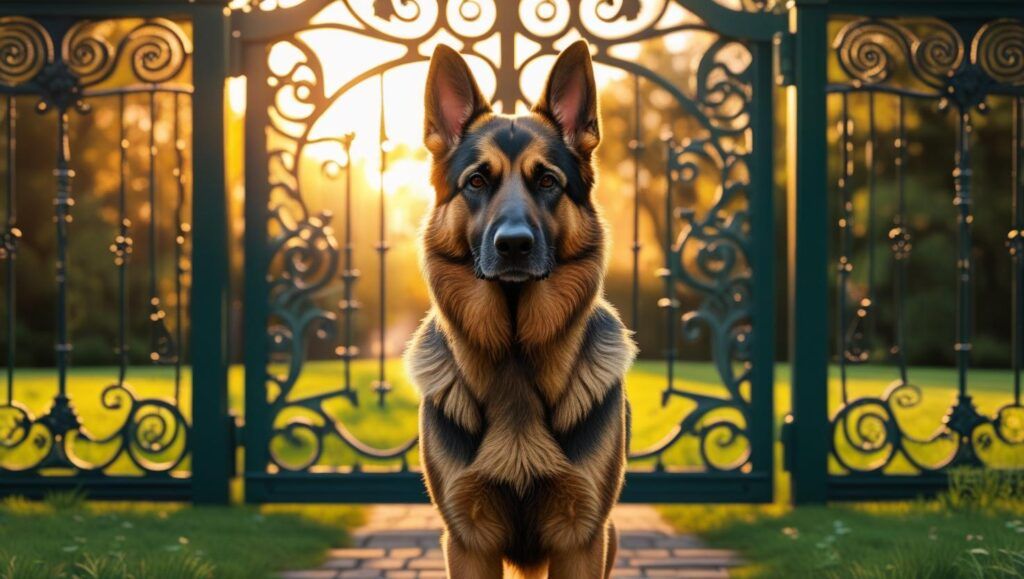
German Shepherds kick off the list, one of the most versatile and intelligent breeds. They’re not just lookers with their sleek coats and smart eyes; they have a work ethic like no other and excel in roles from police enforcer to family guardian.

Sometimes, bringing in a professional trainer is a smart move. These folks know their stuff, especially with breeds that can be a handful. A pro trainer can make sure your dog reaches its full protective potential without becoming a handful for you.

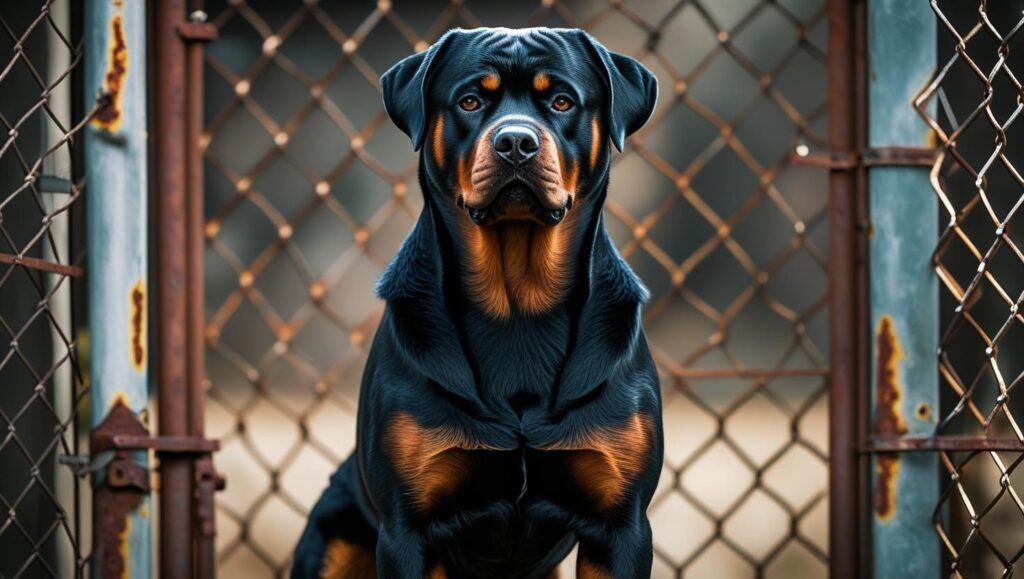
Rottweilers are another hardcore favorite. They’re strong, solid, and oh-so-loyal. With a little training, their natural protective instincts make them almost unstoppable when it comes to securing a perimeter.

Then there’s the Doberman Pinscher. Quick and sleek, these dogs are like the athletes of the guard world. They are not only stunningly intelligent but also incredibly fast—ensuring that intruders think twice.

Bullmastiffs bring muscle without a lot of fuss. They might look like cuddly giants most times, but they’ll stand their ground when push comes to shove. Their quiet yet fearless nature makes them incredible deterrents.

Last but not least, the ever-popular Boxer. While they might come off as playful and energetic, underestimating their protective nature would be a mistake. They’re smart and quick to rise to a challenge, becoming great protectors with a bit of patience and training.

When thinking about bringing one of these legendary breeds into your home, it’s important to weigh their needs and temperaments. Consider your lifestyle, space, and what you want from your ideal guardian—each breed has its own strengths and quirks.

It’s also good to remember that pedigree isn’t everything. Even the best breed won’t live up to its potential without the right care, training, and love.

Choosing the Right Guard Dog for You

Finding the perfect guard dog isn’t just about picking a breed you like. It’s about matching their traits to your environment. A spacious yard? An active neighborhood? These factors matter in selecting the right furry sentinel.

The health and care of any guard dog breed are crucial. Some large breeds may be prone to specific health issues, so regular vet visits and proper diet matter a lot. It’s wise to research any breed-specific concerns they might have, ensuring your future protector is in tip-top shape.

Family dynamics play a big part too. Got kiddos or small pets around? You’ll want a breed that can embrace family life without losing their guarding instincts. Some dogs are naturally gentle giants, while others need a little extra socialization to fit in safely.

Speaking of fitting in, every breed’s got their own exercise needs. High-energy protectors need room to roam and tasks to tackle, while others might be more content with daily walks and a watchful lounge in the yard. Tailor your choice to suit your daily routine and energy levels.

And, oh, adopting versus buying—that’s a big decision! Rescue shelters often have purebreds and mixes with loads of potential. Plus, adoption gives a loving home to a dog in need, potentially saving a life while bringing extra love and protection into your home.

Training Your Guard Dog: Best Practices for Safety and Effectiveness

A well-trained guard dog is like having a security system with a heart. It’s about channeling their instincts in ways that work for both of you. Early socialization is key—getting them comfy with different people and situations helps prevent overreactions down the line.

When it comes to teaching a guard dog, positive reinforcement is your best friend. Treats, praise, and playtime work wonders in affirming good behavior. It’s a lot more effective than punishment and helps build a bond based on trust and understanding.

No need for boring drills. Mix things up with engaging techniques that harness their natural guarding behaviors. Maybe a game of hide-and-seek for working on commands, or obstacle courses to hone agility and obedience.

Staying clear of common training slip-ups means being consistent and patient. Avoid letting bad habits slide and always follow through with commands. Remember, it’s about guiding them to understand roles and duties in a fun, supportive way.

With all the techy gadgets and apps today, training can be more interactive and trackable. From smart collars to training apps, technology can play a great role in managing progress and keeping routines fresh and engaging.

Amazon Associate creator may receive compensation for some purchases

Different Types Of Small Dogs

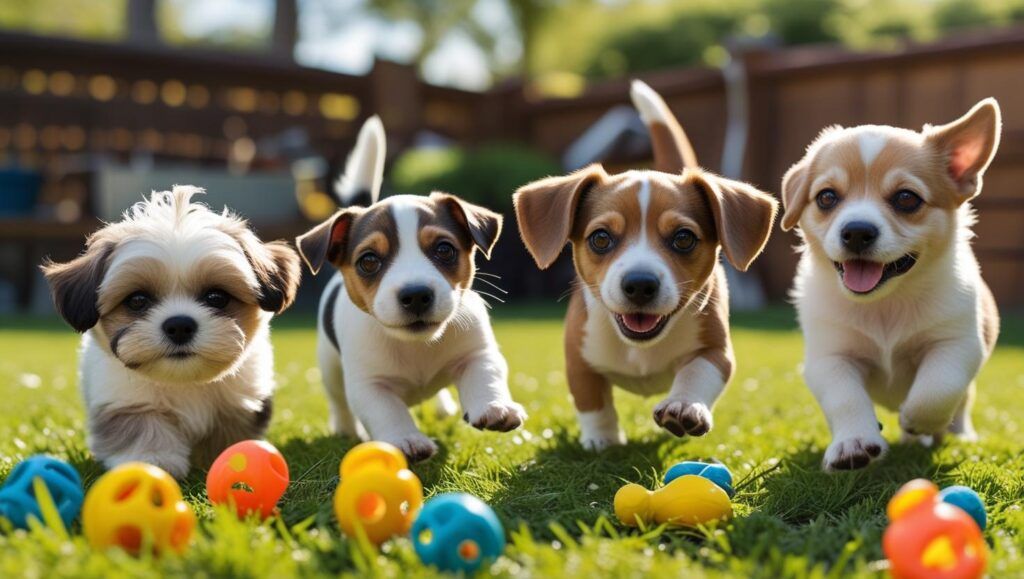
Small dogs are the little bundles of joy that pack a big punch when it comes to personality and companionship. Usually weighing in at under 20 pounds, these adorable creatures come in various shapes and sizes, each with unique traits and charms. Their compact size often makes them a favorite among city dwellers, travelers, and those with limited space.

Owning a small dog comes with a heap of benefits. They’re easier to transport and handle, making them ideal for those on the go or who have difficulty managing larger breeds. Plus, their smaller size often translates to reduced costs in terms of food, grooming, and other care needs, saving some extra bucks along the way.

When you’re considering a small dog, though, it’s not just about how cute or convenient they are. It’s about matching their needs with your lifestyle. Are you active, or do you prefer quiet evenings at home? Some breeds require more exercise or mental stimulation than others, so think about how much time and energy you’re ready to invest in your pup.

There are many misconceptions surrounding small dogs, like they’re all yappy or not good with kids. But that’s not the whole picture. Just like any other breed or size, small dogs’ behaviors and temperaments can vary widely. It’s all about understanding your prospective pet, giving them the right training, and providing an environment where they can thrive.

Family-Friendly Small Dog Breeds

When it comes to family life, some small dogs really stand out for their gentle and affectionate nature. These breeds often interact beautifully with kids, provided both dog and child are taught to respect each other’s space and signals. Choosing the right small dog for a family can make all the difference in creating a harmonious household.

Little dogs like the Cavalier King Charles Spaniel can be incredibly loving, known for their sweet and playful demeanor. They’re often comfortable around young children and enjoy being part of family activities. Similarly, the Shih Tzu, with its loyal and friendly nature, often plays well with others and thrives on human interaction.

Energy levels and exercise needs vary, even among small dogs. Some, like the playful Boston Terrier, may require plenty of activity to burn off their energy, making them great for families who love to play. Others, such as the laid-back French Bulldog, may be more suited to a quieter lifestyle where a couple of short walks fit the bill just fine.

Training and socializing your small dog is key to ensuring they adjust to your family life. Consistent, positive reinforcement techniques work best. Many small breeds are quick learners, but they do benefit from early socialization to curb any overly protective or anxious tendencies. It’s all about setting the right tone from day one and showing them how to interact with the little humans in your life.

Small Dogs for Apartment Living

Living in an apartment doesn’t mean you have to miss out on the joy of having a dog. Plenty of small dog breeds are perfectly suited for smaller living spaces. The key is to pick one with the right energy level and temperament to match apartment life.

Often, the best small dogs for apartments are those that are less prone to excessive barking. Breeds like the Basenji, known for its quiet demeanor, or the Bichon Frise, which tends to be more relaxed and content indoors, can be excellent choices. French Bulldogs and Dachshunds are other breeds that typically adapt well to apartment living, thanks to their moderate exercise needs and often calm nature.

Keeping a small dog in an apartment does mean investing in their mental and physical well-being. Even a 20-minute walk can do wonders for their mood and energy. For indoor activities, puzzle toys, games, or even a brief training session can keep their mind engaged. It’s about striking the right balance between rest and activity.

Separation anxiety is something to consider. It’s common among small breeds who bond closely with their owners, but strategies exist to help ease this. Creating a safe, comfortable space with toys and distractions can make a big difference. Slowly building your pup’s confidence in being alone for short periods can also help manage anxiety.

Setting up your apartment to be dog-friendly is another great step. Think about safety-proofing areas, providing soft bedding, and ensuring they have access to food and water at all times. A bit of planning can go a long way in making your apartment a happy home for your canine companion.

Choosing the Right Companion for Your Lifestyle

Picking out the perfect small dog goes beyond just liking a breed’s cute face. It requires understanding how they fit into your lifestyle. Are you ready for an energetic partner like a Jack Russell Terrier, or do you need something more chilled like a Pug? Your daily routines and living arrangements can heavily influence what will work best.

Your living situation and activity level are major factors. If you’re often out and about, a breed with higher exercise needs might suit you. But if you’re more of a homebody, a dog that enjoys lounging around and short strolls could be ideal. Consider things like the size of your living space, your proximity to parks, and your ability to commit time to walks and play.

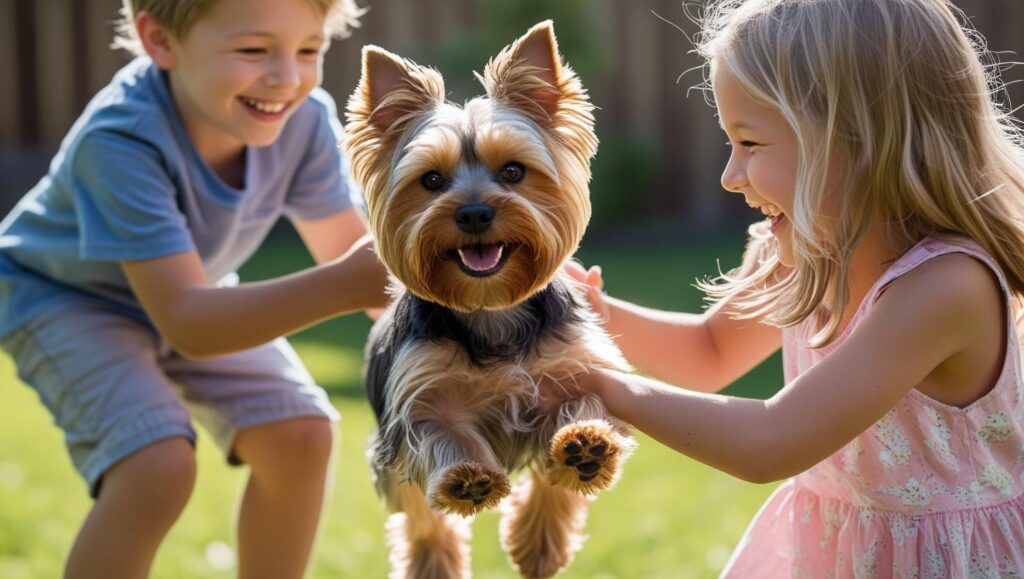
Health, grooming, and care needs can vary widely among small breeds. Breeds like the Maltese and the Yorkshire Terrier may require more frequent grooming due to their longer coats, while breeds like the Chihuahua might be lower maintenance on that front. Keep in mind the potential for breed-specific health issues, so regular vet check-ups are a must.

Temperament and personality are just as crucial. Some small dogs are fiercely loyal and might become protective of their family, while others are more independent. Understanding these traits can help you find a dog whose personality complements your own.

To ensure you’re getting a healthy dog with a good temperament, consider looking for a reputable breeder or reaching out to local shelters and rescues. These avenues often provide background information and health checks so you can make an informed decision. Nothing beats the satisfaction of finding a small dog that fits perfectly into your world!

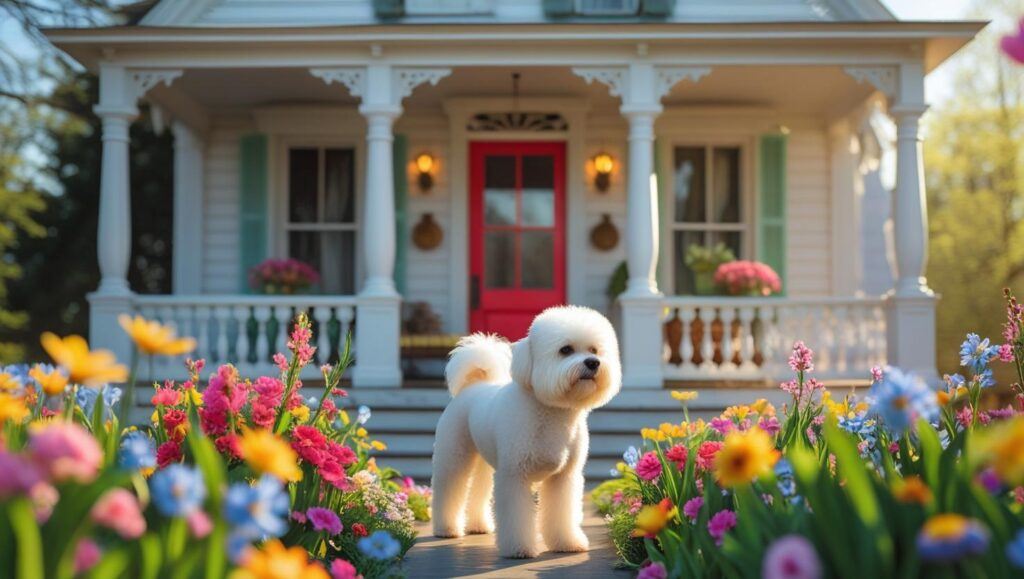
Beautiful Bichon Frise Among Beautiful Flowers

Amazon Associate may receive compensation for some purchases

Senior Dog Care

As our dogs age, they experience changes similar to what older humans go through. You might see your once hyper pup taking more naps or showing a bit of gray around the muzzle. It’s key to recognize these signs of aging, which can include physical changes like weight fluctuations or stiffness, as well as behavioral shifts such as increased anxiety or confusion.

Regular vet check-ups become even more important in a senior dog’s life. Vets can help catch health issues early, which can really make a difference. Plus, they can provide expert advice tailored specifically for your aging pup’s needs, whether it’s adjusting their diet or managing any chronic conditions.

Creating a comfy environment for your senior dog can also improve their quality of life. This might mean putting down soft bedding to cushion those achy joints or using ramps to help them get to their favorite spot on the couch. Little touches like these show you care and understand what they’re going through as they step into their golden years.

Nutritional Considerations for Aging Canines

Feeding your senior dog isn’t just about filling their bowl with food anymore. It’s about making thoughtful choices that match their changing bodies and needs. Age-appropriate dog food is a great start, as it’s typically formulated to support joint health and maintain energy levels while offering the right mix of nutrients.

Spotting the right food involves checking for ingredients that boost the immune system. Think omega fatty acids and antioxidants which can help keep illnesses at bay. It’s also worth chatting with your vet about any supplements that might benefit your senior friend, whether it’s glucosamine for their joints or probiotics for digestion.

Managing weight can be a tricky balance since older dogs are less active. Obesity can lead to all sorts of issues, so keeping an eye on their meal portions is vital. Some older dogs also develop food allergies or intolerances that they didn’t have before, so adjusting their diet based on any new sensitivities shows true care for their well-being.

Maintaining Mobility and Exercise in Older Dogs

Keeping your older dog active is like finding that sweet spot between lounging and leaping. Exercise routines need to match your dog’s energy levels and joint health. Overdoing it can lead to injury, but some gentle movement keeps those muscles limber and spirits high.

Incorporating gentle activities can really help older dogs. Think leisurely strolls around the neighborhood or some light fetch on soft grass. Even gentle swimming sessions can be fantastic since they put less strain on joints while providing a full-body workout.

Exploring non-invasive treatments for joint issues offers additional support. Treatments like hydrotherapy or acupuncture can aid mobility without putting additional stress on your pup. Chatting with a vet about these options could unveil some surprising benefits.

Mental and Emotional Well-being of Senior Dogs

Senior dogs aren’t just dealing with physical changes as they age; their mental and emotional health is just as important. Watching for signs of cognitive decline, like disorientation or changed sleeping patterns, can help you get ahead of any issues. There are even medications and supplements available that might help slow down those changes.

Human interaction becomes crucial to maintaining a senior dog’s mental health. Regular cuddles, companionship, and even chatting with them can offer comfort and reassurance. Make them feel included, as that sense of belonging can work wonders for their mood.

Don’t underestimate the power of playtime tailored just for them. Games that stimulate their mind, like puzzle toys or gentle hide-and-seek, can keep their brains active. These activities not only entertain but also provide mental exercise that helps ward off boredom and keeps those tails wagging.

Amazon Associate creator may receive compensation for some purchases

Pet Grooming Supplies

Grooming might sound like a vanity project for your pet, but it’s far more about health than style. Removing dirt, dander, and shedding fur is crucial for keeping your pet comfortable and clean. Unkempt fur can become a breeding ground for parasites and bacteria, which can lead to skin problems or infections.

When it comes to grooming supplies, there’s no one-size-fits-all approach. Dogs might need sturdy brushes for their thick coats, while cats could benefit from gentler combs. Even small animals like rabbits and guinea pigs may need the occasional grooming to keep them in top shape. No matter the pet, always go for high-quality supplies to avoid irritation and ensure effectiveness.

Picking the right products can feel overwhelming, so start with the basics: shampoo, combs, nail clippers, and maybe a good pet conditioner if your furry friend has a lot of fur. Opt for products that are free from harsh chemicals and focus on those made specifically for your pet’s type and breed.

Grooming isn’t always easy. Some pets may squirm, hide, or protest. Patience is your best friend in these situations. Create a calming environment, use treats as rewards, and keep sessions short to make the whole process less stressful for both you and your pet.

Tailoring Grooming Supplies to Your Pet’s Needs

Every pet is unique and deserves a grooming routine that matches their specific requirements. Breed plays a major role in determining what you’ll need. Long-haired breeds might require a different brush compared to their short-haired counterparts, so it’s wise to know what works best for your pet’s coat type.

Sensitive skin can be a real issue for some pets, and hypoallergenic products are a lifesaver here. They help avoid nasty reactions while leaving fur soft and clean. It’s worth investing in products that focus on sensitive care if your pet tends to get irritated easily.

When it comes to grooming tools, brushes and combs are just the beginning. Scissors, nail grinders, and clippers play a pivotal role too. Always prioritize safety over style when using these tools to prevent any accidental cuts or discomfort.

As the seasons change, so should your grooming routine. This means that coat care might need to ramp up during shedding seasons and ease off in winter. Paying attention to these changes ensures your pet remains comfy throughout the year.

Expert Techniques and Tools: Elevating Your Grooming Game

Bringing professional grooming techniques into your home doesn’t mean complicating things. With advanced tools, you can achieve that salon finish without leaving your living room. High-quality hair clippers or deshedding tools can save time and effort while making your pet look their best.

While sustainable products may come at a slightly higher initial cost, they’re built to last longer, providing better value over time. Keep an eye on durability and effectiveness, ensuring that your choices benefit both the environment and your budget.

For the more hands-on pet parent, step-by-step guides can be helpful. Learning the right way to wash your pet involves more than just a hose and hope. Proper nail trimming is crucial to avoid painful cracks or splits, and ear cleaning is key for preventing infections. Follow tried-and-tested steps to get these right every time.

Addressing tangles, mats, and shedding issues is part of the grooming journey. Using detangling sprays or conditioners can make a huge difference. Gentle brushing techniques not only preserve the quality of their coat but also reduce shedding around the house.

Consistency is key. Regular grooming helps maintain hygiene and prevent unpleasant odors. By establishing a routine, both you and your pet will find grooming to be a more natural and pleasant experience.

Grooming Supplies and Sustainability: Choosing Eco-Friendly Options

Choosing eco-friendly grooming supplies isn’t just a trend—it’s a thoughtful step for the planet and your pet. By reducing your carbon pawprint, you contribute to a healthier world while keeping your furry friend clean and comfy.

Sustainable grooming supplies often mean natural ingredients and recycled packaging, making them better for both pets and the earth. Look for shampoos and conditioners that contain biodegradable elements and are free from artificial scents and dyes.

Creating DIY grooming solutions can also be a fun and cost-effective way to go green. Simple ingredients like oatmeal and coconut oil can serve as natural cleansers or moisturizers, keeping your pet’s coat luscious without harsh chemicals.

Amazon Associate creator receives compensation for qualified purchases
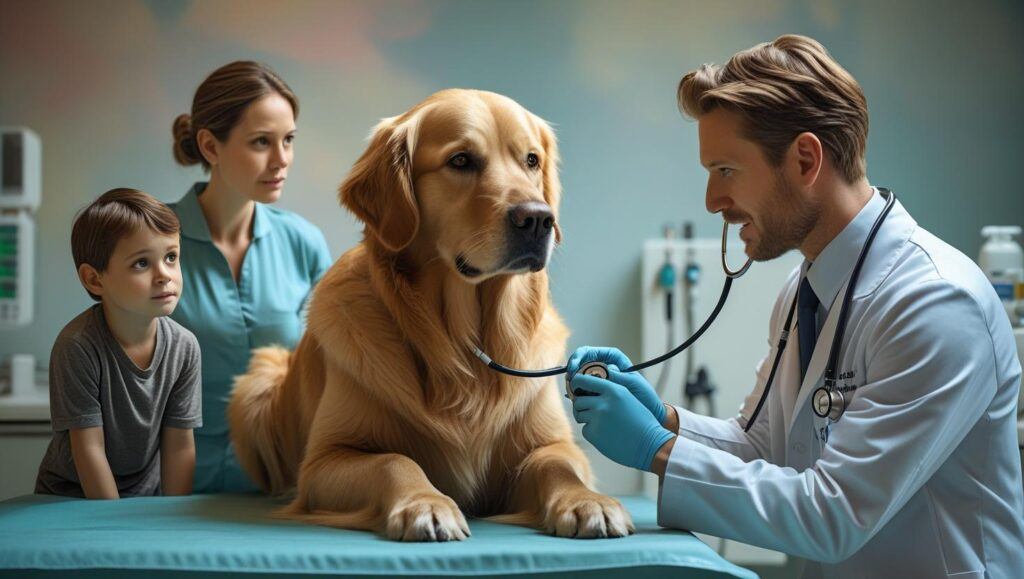
How To Buy A Dog Crate

Buying a dog crate isn’t just about picking the first one you see. It’s all about knowing your dog’s specific needs. Size matters a lot. You don’t want your furry friend cramped in something too small, or swimming in something too big. Measure your dog from the tip of the nose to the base of the tail, and from the ground to the top of the head when they’re standing tall. Add a few extra inches for movement and comfort.

Finally, getting the right crate right away means your dog gets a comfy, safe spot sooner—which means peace of mind for you both. A thoughtful purchase built on understanding and prep lets your pup settle in and feel at home, no matter where you are.

Different dogs, different needs, right? Some dogs love their crates as cozy dens, while others need them for training or travel. If your pup’s still learning the ropes, a crate can be a lifesaver in curbing unwanted behavior. For travel, though, you might need something sturdier or airline-approved.

Breed and behavior totally play a part here too. High-energy dogs might need something that’s not super easy to topple or chew through. While smaller or more relaxed dogs might appreciate a soft-sided crate that doubles as a comfy bed. Knowing what kind of lifestyle your dog leads ensures you get a crate that fits both their needs and yours.

Exploring Different Types of Dog Crates

The world of dog crates is pretty diverse, each type offering something unique. Wire crates are a solid choice for their durability and ventilation. They fold up easily for storage too, making them great for indoors or temporary setups. Just be sure they latch securely to prevent any Houdini acts.

Plastic crates have a cozy den-like feel, often used for travel or as a permanent home fixture. They’re sturdy and can give some pups that extra sense of security. Plus, many are airline-approved if you’re planning a trip with your furry buddy.

Soft-sided crates are all about comfort and portability. They’re lighter, easier to carry around, and usually great for smaller dogs or calmer ones who love lounging about.

Wooden crates can double as furniture, offering style without sacrificing function. Perfect for those with a specific aesthetic in their home. Just consider that they might not be as portable.

Don’t forget safety features. Check for rounded edges, secure latches, and materials that can stand up to a bit of doggy roughhousing. You want something that keeps your dog safe and sound without compromising on practicality.

Practical Tips for Purchasing the Perfect Crate

Where you choose to buy your crate can impact everything from budget to brand selection. Pet stores might offer hands-on inspections, while online shopping brings more variety and customer reviews right under your fingertips. If you’re on a tight budget, second-hand options might offer quality at a fraction of the cost—just make sure it’s in good condition.

Speaking of budget, it’s important not to skimp where it matters. While it’s tempting to go for the cheapest option, investing in something durable and well-made could save you money and stress down the road. Look for reputable brands known for their quality and customer support.

Consider ease of assembly, especially if you’ll be moving the crate around. Some are a breeze to put together, while others might need a bit of elbow grease. Also, think about how easy it will be to clean. Removable trays or panels can be lifesavers here, keeping your dog’s space hygienic with minimal hassle.

Amazon Affiliate creator is compensated for qualifying purchases

Black Labrador Retriever

The Black Labrador Retriever is a dog that’s hard not to love. Known for their iconic sleek, shiny black coat and friendly demeanor, it’s no surprise they often top the list as one of the most popular dog breeds. These lovable amis make fantastic companions whether you’re looking for a family pet or a loyal buddy to hang with on weekends.

So, what makes them quite the charmer? Their outgoing nature is a big part of it. Black Labs have a reputation for being one of the friendliest breeds around. They’re social butterflies who love meeting new breeds and humans alike. You’ll find their wagging tails and eager-to-please attitudes are quick to win you over.

And let’s not forget their brains. Black Labs are sharp thinkers. Their intelligence makes them super easy to train, and they’re always up for learning something new, whether it’s a simple sit or a more complex trick like fetching your socks or even agility sports.

But, it’s not just their smarts that make them great pets. They fit right into family life, getting along splendidly with kids and other animals. They’re like the glue that brings everyone together, the type who doesn’t just sit in the corner; they’re part of the action, bringing smiles and a sense of togetherness.

Caring for Your Black Labrador Retriever

When it comes to feeding, Black Labs have big appetites and energetic lifestyles that need fueling. Choosing high-quality dog food that’s rich in protein and balanced nutrients is key to keep them healthy and full of energy. Portion control is crucial, though. These pups love to eat, and without some watchful measuring, they might pack on a few extra pounds, which isn’t great for their joints and overall health.

Looking ahead, the future seems bright for Black Labradors. They remain popular due to their versatility and loving nature. However, challenges like health issues linked to overbreeding and the need for more dogs in support and rescue roles present both challenges and opportunities. Engaging with these discussions aids in creating a positive trajectory for these beloved pets.

Grooming a Black Lab is pretty straightforward, but I’ll let you in on a secret—regular brushing is your best friend. Their short coats shed, so a few minutes of brushing a couple of times a week will keep your black beauty looking sleek while also reducing the amount of hair around the house.

Black Labs are active pooches who need their daily dose of exercise to stay happy and healthy. A couple of walks every day, plus some playtime or training sessions, should do the trick. They especially love games that test speed and intelligence, like fetch or frisbee.

And health-wise, it’s crucial to be proactive. Keep an eye out for any signs of common issues like hip dysplasia or ear infections and schedule regular vet visits to catch potential problems early. Making sure your pup’s tail keeps wagging is all about good preventative care, keeping an active lifestyle, and lots of love and attention.

Training Your Black Labrador Event-Know-How

Getting your Black Labrador trained and socialized is one of the most fun (and rewarding) things you’ll do together. These dogs are quick learners. They do well with positive reinforcement, so keep those treats and praise coming. Start with the basics like sit, stay, and come, and you’ll be amazed at how eager they are to be your star student.

Labradors are all about playtime, so turn training into a game. Try mixing in things like fetching specific toys by name or playing hide and seek with treats. Fun activities not only help teach new skills but also strengthen the bond between you two.

Sometimes, you might hit a snag with certain behaviors. Don’t stress. It happens to the best of us, and the trick is to stay consistent and patient. If jumping up when greeting people is an issue, teach them that keeping those paws on the ground equals rewards.

Patience is key. Your Labrador might take a little while to catch onto some tricks, but they thrive on encouragement and routine. Celebrate those little wins along the way and enjoy the process. You’ll find your pup not only learning but loving the time spent training together.

The Historical Significance and Future of the Black Labrador Retriever

Black Labradors have deep roots in history, tracing back to the early 19th century in Newfoundland. Originally, they were skilled fishers, helping pull in nets and catch escaped fish. Their adaptability and strong swimming prowess quickly made them favorites among fishermen and hunting enthusiasts.

As the breed evolved, Black Labradors became known not just for their utility but also their loyalty and gentle nature. They’ve found a place in many roles beyond the family pet. These dogs contribute significantly in various fields, including serving as guide dogs, therapy dogs, and even working with law enforcement in detection and rescue missions.

It’s important to consider ethical breeding and responsible ownership, especially as demand for Black Labs continues to soar. Supporting breeders who prioritize health and temperament over profit helps ensure future generations of happy, healthy dogs.

Amazon Associate creator may receive compensation for some purchases

Search. And Rescue Dogs

Rescue Dog Jake with handler Mary Flood

When disaster strikes and chaos unfolds, search and rescue dogs often emerge as silent heroes. These amazing animals have been saving lives and assisting in emergencies for centuries. History tells us stories dating back to the 17th century when St. Bernard dogs in Switzerland famously began aiding avalanche victims.

Search and rescue dogs are more than just one-trick ponies. They participate in various missions, each requiring unique skills. Urban rescues deal with collapsed buildings, wilderness operations focus on missing hikers or campers, disaster searches often occur post-earthquake or flood, and water rescues provide critical help in finding those lost around water bodies.

These canine heroes aren’t just about muscles and speed. They’re about vital partnerships with their handlers. The bond they share ensures quick and efficient communication during rescues. Handlers know every bark and signal, directing their furry partners to sniff out trouble.

Every response operation showcases their crucial roles. Whether it’s finding lost children or helping in huge disaster relief efforts, their contributions are invaluable. Not only do they bring efficiency, but they also infuse hope and optimism for those waiting for miracles amidst the debris.

Training and Expertise: The Journey of a Search and Rescue Dog

Becoming a search and rescue dog isn’t a walk in the park. The training process is intensive, often taking 600 to 1000 hours. From basic obedience skills to advanced scent detection, every step is crucial. These dogs learn to focus their remarkable senses into life-saving techniques.

Not all dogs make the cut. Trainers often choose based on breed and temperament. Border Collies, German Shepherds, and Labrador Retrievers are popular choices due to their drive, intelligence, and work ethic. The right pooch has both the physical stamina and the mental resilience needed for the job.

A handler isn’t just a figure at the end of the leash. They mentor, guide, and build an unshakable trust with their canine partners. This bond is a cornerstone of success, as effective communication often happens through subtle cues and shared understanding.

Each skill learned during training has its own purpose. Dogs practice tracking scents, navigating rough terrain, and responding to commands in stressful environments. It’s a marathon of patience and learning, with both handler and dog growing together.

For aspiring handlers, patience and dedication are key. Training requires commitment, but the reward is a truly exceptional partnership capable of making a real impact. It’s not just about teaching; it’s about understanding and working with a companion whose loyalty is unmatched.

The Science of the Sniffer: How a Dog’s Nose Outperforms Technology

The average dog’s nose is a marvel of nature. It’s packed with millions of olfactory receptors, far surpassing anything found in human or even most tech gadgets. This biological edge allows them to detect and differentiate a wide array of scents, making them indispensable in search efforts.

Ever hear about the feats of dogs like Trakr, who helped find survivors in the aftermath of 9/11, or Frida, the rescue dog who saved lives in Mexico’s earthquakes? These real-life examples highlight the unmatched capability of these four-legged detectives.

Even with all our advanced technology, nothing quite matches the efficiency of a dog’s nose. While infrared cameras and drones assist, dogs smell their way through disasters with unwavering precision, getting to places tech often can’t reach or interpret quickly.

Their work doesn’t come without challenges. Weather changes, terrain difficulties, and overwhelming noise can complicate searches. Yet, these dogs, with their handlers, adapt and strategize, using their instincts and training to get the job done.

Dogs and tech aren’t rivals; they’re allies. But the truth is, a dog’s unique sniffing capability continues to be a lifeline when time is ticking. The harmony between nature and tech is what really makes search and rescue operations successful.

Becoming a Paw-sitive Force: The Impact of Search and Rescue Dogs

The hard work and dedication of search and rescue dogs translate into impressive statistics. Their success rates in finding missing persons and aiding in disaster recovery efforts are a testament to their indispensable role in emergency response.

Beyond the numbers, these dogs provide emotional support and hope to survivors and their families. In moments of uncertainty and distress, the presence of a search dog can offer comfort and lift spirits like no other.

Communities play a crucial role in supporting these canine heroes. Whether it’s through fundraising for equipment, providing resources for training, or simply recognizing their efforts, every bit counts. Local shows and events where search teams demonstrate their skills help raise awareness and appreciation.

Looking ahead, advancements in training methods and tools continue to improve. Innovations such as scent-specific training and better simulation environments prepare dogs for even more complex operations. As we foster these developments, the legacy and effectiveness of these courageous companions will only grow.

For those considering involvement, whether it’s through volunteering, donations, or education, becoming part of this effort can be incredibly rewarding. The bond between humans and dogs in these intense situations showcases an incredible partnership where both parties rise to challenges and achieve the extraordinary.