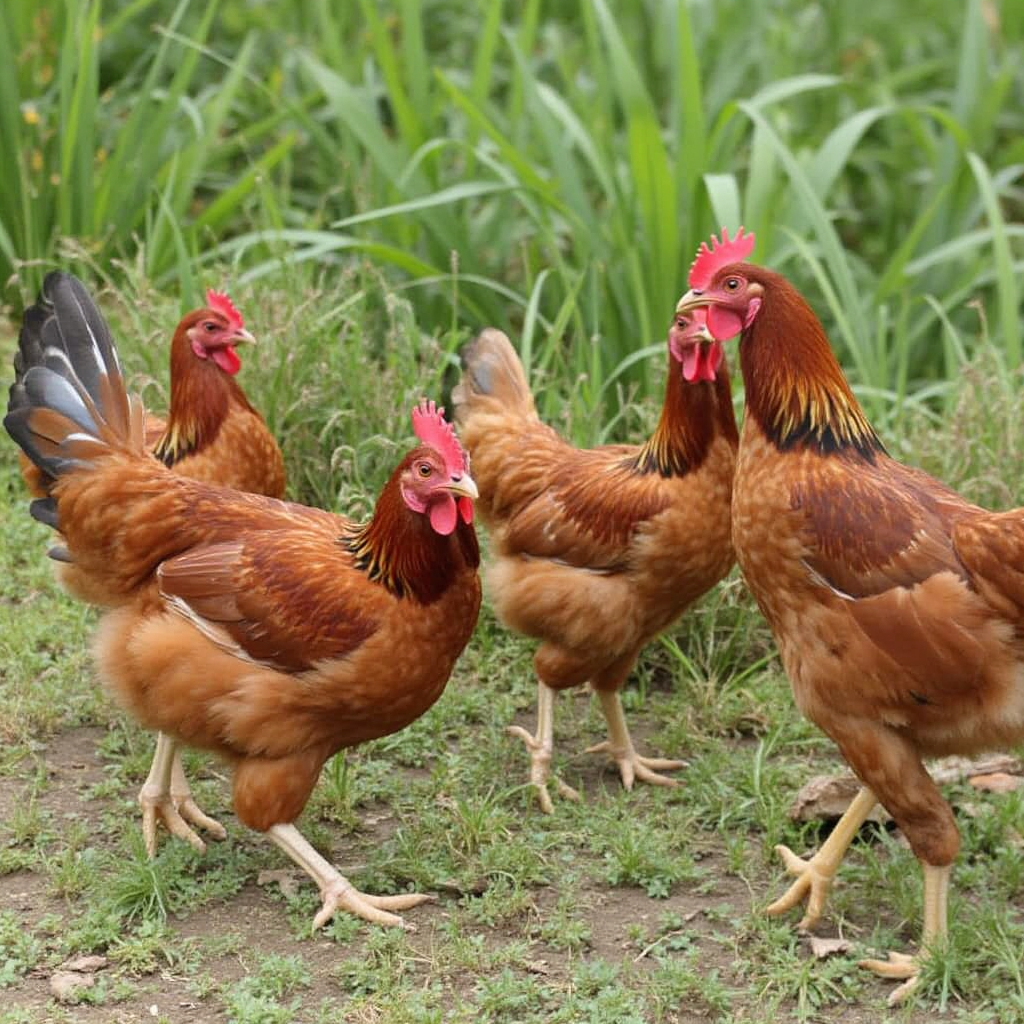
Rhode Island Red chickens aren’t just another breed; they’re a part of American agricultural history. Developed in the late 19th century, these birds have a story that takes us back to the small farms of New England, where settlers were eager to create a chicken that could endure harsh weather while producing plenty of eggs and tasty meat.
The tale of this chicken begins with crossbreeding various birds like the Malay, Leghorn, and Asiatic fowls. Credit goes to local farmers from Massachusetts and Rhode Island, who were focused on resilience and productivity. The goal was simple: a hardy bird that could easily adapt and thrive in any farm setting, providing eggs and meat for growing families.
Key personalities played vital roles in shaping the Rhode Island Red. John Macomber and William Tripp—doesn’t get more original than these guys—started by doing some innovative breeding experiments. Their dedication and hard work paid off, and by the early 1900s, this chicken became widely recognized, winning hearts and ribbons at poultry shows across America.
The breed wasn’t just a farm staple; it sparked a poultry revolution. Its proficiency in both egg-laying and meat production set a standard that many other breeds followed. Over time, the Rhode Island Red not only became a favorite among farmers but also an iconic symbol of American ingenuity in agriculture.
Through the efforts of emerging poultry clubs, the popularity of these chickens soared. Groups like the American Poultry Association recognized its potential early on, elevating its status to one of prestige and reliability. And thanks to these early advocates, the bird’s legacy continues to thrive in both urban and rural homesteads across the globe.
Characteristics and Care for Rhode Island Red Chickens
Rhode Island Reds stand out with their rich mahogany feathers that shimmer like polished wood in the sunlight. Their sturdy bodies, prominent single combs, and graceful tails give them a look that’s both classic and practical. They’re not just lookers; these birds are built for business.
Despite their robust appearance, Rhode Island Reds have a calm demeanor that makes them an excellent choice for backyard chicken enthusiasts. They’re known for their curious and friendly nature, making them easy to handle even for beginners. They love to roam and forage but don’t fret if your backyard’s not massive—these chickens adapt well to varied spaces.
When it comes to care, a balanced diet is key for maintaining their health and productivity. High-quality layer pellets, coupled with fresh greens and occasional grains, provide everything they need. Make sure they have constant access to clean water—dehydration can mess with their egg-laying mojo and overall vitality.
Housing for these feathered friends should offer protection from predators and harsh weather while providing ample space for scratching and nesting. Keep coops clean and well-ventilated to prevent respiratory issues, which they’re somewhat prone to. Regular coop maintenance keeps things hygienic and your chickens happy.
As with any pet, keeping an eye out for health issues is a must. Common problems can include mites and lice, so regular check-ups and prompt treatment are necessary. Building a relationship with a local vet experienced in poultry care is a sound move. That way, if any feathered crises arise, you’re ready to tackle them head-on with expert help.
Rhode Island Reds aren’t just manageable—they’re rewarding. Daily interactions will help you quickly learn each bird’s personality, adding joy and character to your flock. With a little effort, these chickens will thrive and continue to bring you both joy and fresh eggs for years.
Why Rhode Island Red Remains a Popular Choice Today
Egg production is one of their standout features, making them a favorite among farmers and homesteaders. These chickens lay brown eggs consistently, with hens producing about 250 to 300 eggs annually—even through the colder months when other breeds take a break. This makes them not just reliable but also economically sensible.
Their adaptability to various climates is impressive. Whether you’re in the chilly North or the sun-soaked South, they adjust and continue to thrive. This versatility means you can count on them to keep clucking along and providing, regardless of where you set up shop.
Beyond the economics and practicality, the stories of Rhode Island Reds delight. Chatting with farmers often reveals tales of hardy birds who become part of the family, providing not just eggs but also companionship and entertainment. It’s this connection that elevates them from mere livestock to cherished parts of the household.
Their long lifespan compared to other breeds also means that investing in Rhode Island Reds is a commitment to years of eggs and enjoyment. Regular care and a good diet help them live longer, healthier lives, enriching the homestead experience.
Hobbyists often share how these chickens not only meet their expectations but exceed them, often calling them the “perfect bird” due to their gentle nature and high productivity. Their popularity continues to grow as more people discover the joys of raising this lovable breed.