
Dive into the world of the Great Pyrenees, these stunning gentle giants that have captured the hearts of so many pet owners. Originally hailing from the rugged Pyrenees Mountains between France and Spain, these majestic dogs have a rich history. They were bred to guard sheep and livestock, showcasing an impressive blend of independent thinking and loyalty that’s still evident today.
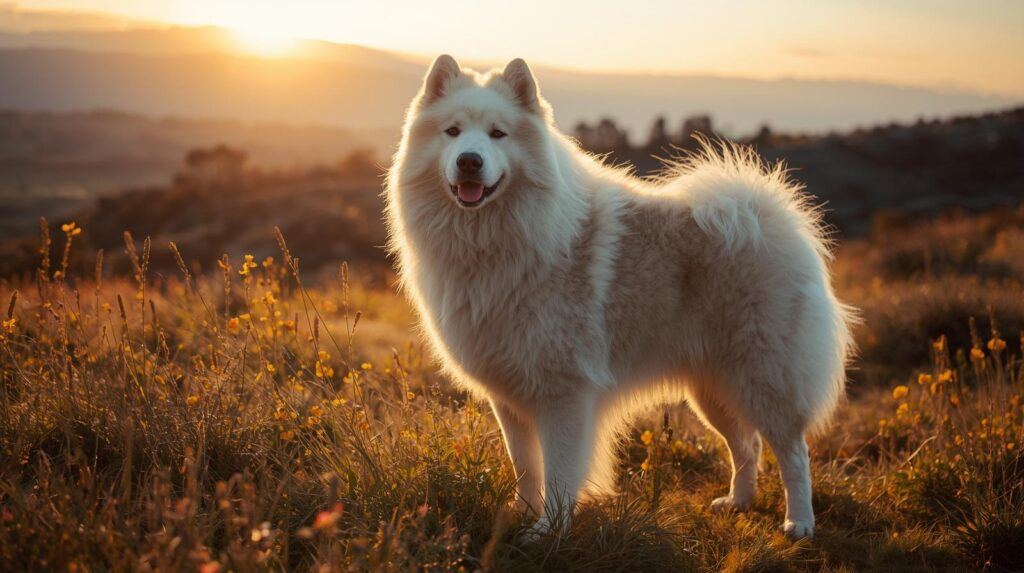
Their physical appearance is distinctive, with a thick, weather-resistant coat that often comes in white, though some have patches of gray or tan. While they’re undeniably gorgeous, it’s their calm and patient nature that’s especially enchanting. Despite their size, they tend to move with a certain grace, adding to their grand aura.
Temperament-wise, Great Pyrenees are known for their protective instincts. While they’re steadfast watchdogs, they’re also incredibly gentle, especially with family members. They’re not the type to seek constant attention but are more than willing to step into action when needed. The combination of calmness indoors and alertness outdoors makes them unique companions.
Living with these charming creatures requires some adaptations. They thrive in homes that provide ample space to roam and environments where they can express their natural instincts. This isn’t the breed for everyone, especially those in tiny apartments or with little time to dedicate to their needs. But for those who can accommodate their lifestyle, the companionship of a Great Pyrenees is deeply rewarding.
Barking All the Right Reasons: Behavior, Training, and Socialization
Understanding the Great Pyrenees’ behavior starts with recognizing their innate protective instincts. These dogs are downright dedicated to looking after their loved ones. This translates to a strong guardian nature that might sometimes come across as stubbornness, but it’s all part of the package of having a trustworthy, dependable watchdog in your life.
Training these beautiful beasts requires patience and a calm, consistent approach. Positive reinforcement works wonders with them. They respond well to encouragement rather than harsh commands. Sessions should be short, sweet, and fun to keep their interest piqued. With their natural inclinations, teaching them to take your lead might need a touch more persistence, but trust me, it’s well worth it.
Socialization is another crucial aspect. Like people, dogs benefit from interacting with a wide variety of other dogs, animals, and humans early on. With Great Pyrenees, starting this process young means they grow up understanding that not everything needs to be protected from. Encourage them to meet new friends on walks or on play dates to help curb any territorial tendencies.
Common behavior challenges can often arise, such as their penchant for barking. This isn’t because they’re naughty, but because they’re naturally alert and ready to react to potential threats. Understanding and addressing this behavior early will help you manage it, ensuring your Great Pyrenees doesn’t become the neighborhood noise-maker without good reason.
Caring for Your Pyrenees: Essential Health, Nutrition, and Grooming
Health is a top priority when it comes to the Great Pyrenees. These dogs, like any other breed, have their own set of potential health concerns. It’s wise to be aware of conditions like hip dysplasia and certain skin issues. Regular vet check-ups and maintaining a healthy lifestyle can help keep these issues at bay.
Feeding your Great Pyrenees a well-balanced diet is crucial for ensuring they remain vibrant and full of life. A mix of high-quality dry food, possibly mixed with some wet food or fresh ingredients, keeps them healthy. Keeping an eye on portion sizes is vital since these dogs love their food, but extra pounds can add unnecessary stress on their joints.
Evaluating whether this breed is a good fit for your lifestyle is crucial. You need to think about factors like your living conditions, time availability, and financial readiness. If your circumstances align with their needs, the relationship developed will be fulfilling and full of joy for years to come.
Grooming this majestic breed is all about managing that luxurious coat. Regular brushing, at least a couple times a week, helps prevent matting and manage shedding. Baths aren’t needed all that often, but a good scrub when necessary keeps them looking their best. Plus, grooming is a great opportunity to bond with your furry buddy.
An aspect of proactive pet care is staying ahead with routine health check-ups. Making annual visits to the vet ensures your Great Pyrenees stays in good shape and any potential concerns are caught early. Timely vaccinations and parasite prevention are also essential to keeping your pet in top condition.
The Lifelong Commitment: Weighing the Pros and Cons of Ownership
Recognizing the commitment involved in owning a Great Pyrenees is essential before bringing one home. These dogs need plenty of space to roam and burn off energy, so access to a large yard or nearby park is ideal. Regular exercise helps them stay fit and content, reducing the risk of behavior issues.
Financially, prospective owners should be prepared for various costs. From initial adoption or purchasing fees to ongoing expenses like food, grooming, and medical care, owning such a breed isn’t cheap. Investing in their wellbeing ensures a happy, healthy pet but requires thoughtful budgeting.
Emotionally, the bond you form with a Great Pyrenees is often remarkable. These dogs offer a unique loyalty inherent to their guardian nature. They appreciate companionship, even if their style is more ‘being near’ than ‘being on.’ This bond can enrich your life immensely, given you’re ready to welcome such a commitment.
Amazon Associate receives compensation on qualified purchases