The Types of Labrador Retriever, From Coat Colors to English and American Lines

Three adult Labradors, one black, one yellow and one chocolate, sitting side by side on a pale grey living room rug in soft window light, with a few shed hairs visible on the rug

Labrador retrievers are one breed, so the “types of Labrador retrievers” you see in listings come down to a few real differences and a few marketing labels. The real ones are coat color and the split between show-bred (English) and field-bred (American) lines. Silver and “mini” Labs belong in the marketing column. Knowing which is which helps you pick a dog that suits your home and buy the right supplies before it arrives.

One breed, several looks: what “types of Labs” really means

Kennel clubs recognize one Labrador retriever. The breed standard describes a medium-large, athletic dog with a short, dense coat, a thick tapering “otter” tail and a friendly, eager temperament. Everything sold as a separate type sits inside that description.

Some differences come from genetics you can see, such as coat color. Others come from what the dogs were bred to do: some lines were bred for the show ring, others for retrieving work in the field. A third group of labels, like “silver,” “teacup” or “rare,” often exists mainly to justify a higher price.

Black, yellow and chocolate: what color does and doesn’t change

Black, yellow and chocolate are the three colors the breed standard accepts. Color is set by a few genes: black is dominant, chocolate requires two copies of the chocolate gene, and yellow results when a separate gene switches off dark pigment in the coat. Two yellow Labs can only produce yellow puppies, while two black Labs carrying the right genes can produce all three colors.

What color changes is appearance. Black hides dirt and shows pale dog hair on dark furniture. Yellow shows mud but hides shed fur better on light carpet. Chocolate falls in between, and its coat can look different in sunlight than indoors.

What color does not change is the core temperament: friendly, food-driven, people-oriented and energetic as a young dog. Claims that one color is calmer, smarter or easier to train have no reliable evidence behind them. Temperament depends far more on the parents’ behavior, how the puppy is raised and how much exercise and training it gets.

Health is a better reason to ask questions than color is. Chocolate Labs are less common, which can narrow a breeder’s gene pool, so ask what the parents’ health testing covers whatever color you choose.

Fox red and silver Labs: where the labels get murky

Fox red is a legitimate shade, not a fourth color. It is a deep, rich form of yellow, and registries record it as yellow. Breeders who advertise fox red are describing a real look, but the price should not be much higher than for any other yellow puppy from comparable parents.

Silver is where it gets contested. Silver Labs have a gray-tinted coat, and some registries have recorded them as chocolate. Critics in the breed argue that the dilution gene behind the silver shade is not native to Labradors and may have entered the breed through crossing with another breed. Supporters say the dogs are simply Labs with a diluted coat. The dispute has not been fully settled to everyone’s satisfaction, and the breed standard does not list silver as an accepted color.

What matters for a buyer:

  • A silver Lab can be a perfectly good family dog. Calling it “rare” is a sales line, not a reason to pay extra.
  • Ask for the registration papers and the parents’ health clearances. Be wary if the seller cannot explain the dog’s lineage.
  • Dilute coats in other breeds are linked to skin and coat problems. Ask a vet or the breeder what to watch for rather than assuming it applies or does not.

English (show) Labs vs American (field) Labs: build and energy

This is the difference that affects daily life most. “English” and “American” describe breeding lines, not countries, and the two are the same breed with different emphasis.

Two yellow Labradors standing in profile on short green grass in late afternoon light: a stocky, broad-headed, short-legged show-type dog beside a lean, taller, long-legged field-type dog, so the difference in build is easy to compare.

English or show-line Labs are typically blockier, with a broader head, a thicker neck and chest, shorter legs and a heavier overall frame. Many are calmer in the house as adults, though they are still Labradors and still need daily exercise.

American or field-line Labs are typically leaner and taller with a lighter frame and longer legs. They are bred for stamina and drive, so many have more energy, a stronger urge to retrieve and a longer puppy phase. They tend to suit active homes, running partners and owners who want to do sports or hunting.

Plenty of Labs fall between these types, and individual dogs vary within each line. Treat the descriptions as tendencies, and ask the breeder to describe the parents’ temperament and activity level in plain terms. Meeting at least one parent is the best predictor you will get.

Which type fits your household: space, activity and experience

Think about your daily routine before you think about color.

  • Small home or apartment, moderate activity: a show-line Lab with calm parents is usually the easier fit. Any Lab still needs daily walks and play, and a bored one will chew.
  • Family with children and a yard: either line can work. A mellower puppy from steady parents is easier with young children, since all Lab puppies are mouthy and bouncy.
  • Very active household, running, hiking or dog sports: a field-line Lab can match your pace. Expect to commit to training and structured outlets, not just walks.
  • First-time owner: choose by temperament and the breeder’s support, not by line. A high-drive Lab can be demanding without prior dog experience, so be realistic about the time you have.

Color has no place in this decision beyond preference, so choose the dog and let the coat be a bonus.

Gear and care by type: leashes, grooming, treats and health checks

Supplies differ less by color than by build, age and individual dog. These are the points where type does change what you buy.

Leashes, collars and harnesses

An adult Lab is a strong, medium-large dog, and a field-line dog that pulls hard needs gear built for that. Size collars and harnesses to the dog’s neck and chest measurements, not the breed label, and expect to move up a size or two as a puppy grows. A broad-chested show-line Lab may need a different harness fit from a lean field-line dog, so check the adjustment range before buying. Choose a sturdy leash with a comfortable handle and a strong clip rather than a thin one. Our guide to leashes for large breed dogs covers the options.
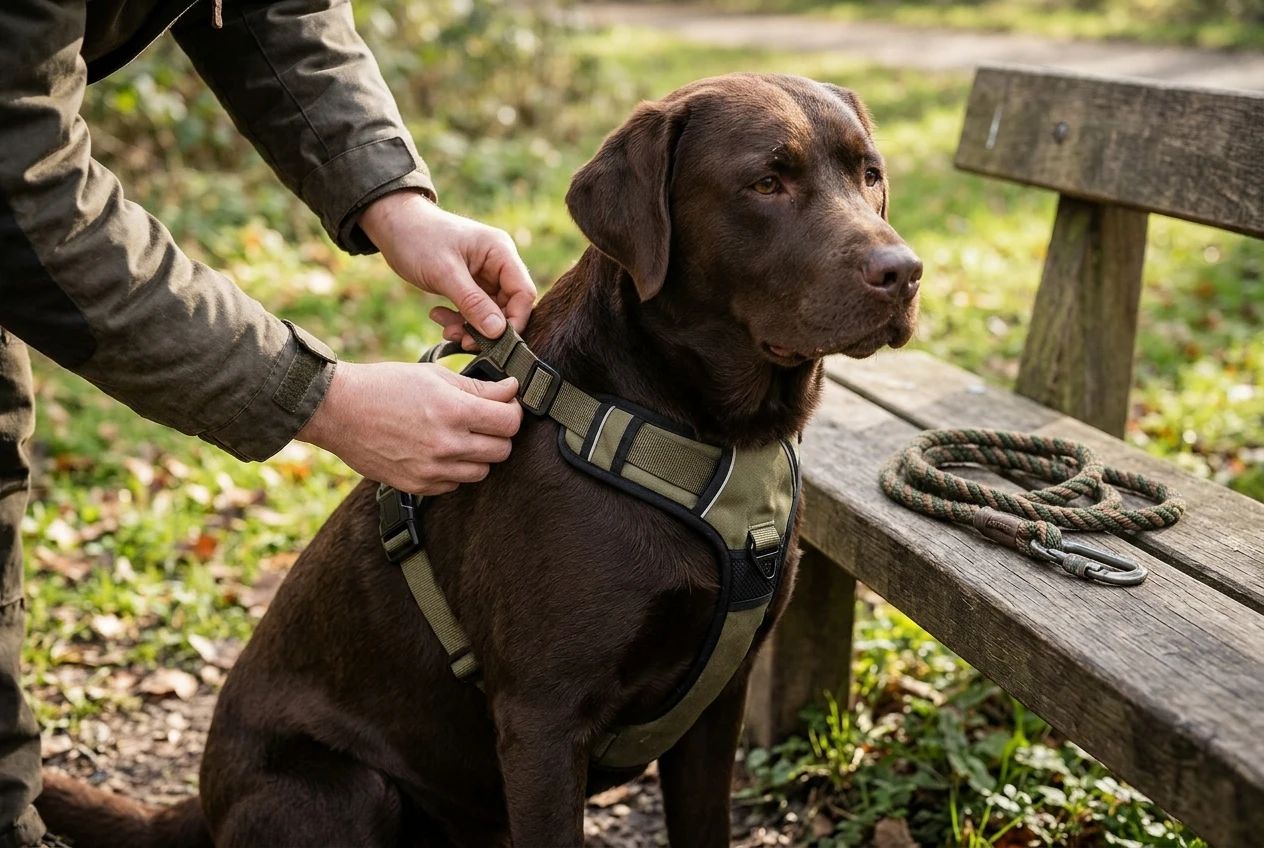
A broad-chested chocolate Labrador wearing a well-fitted padded harness, with an adjustable strap partly loosened in a person's hands as they check the fit, beside a sturdy rope leash with a metal clip coiled on a wooden bench outdoors.

Grooming

Every Lab has a double coat: a water-resistant outer layer over a dense undercoat. All colors shed year-round and heavily in seasonal bursts. A rubber curry brush or a deshedding tool used weekly, and more often during heavy shedding, keeps hair off the furniture. Bathe when the dog is dirty, not on a fixed schedule, because frequent baths can dry the skin. Dark coats show dandruff, and pale coats show mud, so expect to adjust your routine around what you see. For basics, see our notes on grooming for dogs. Trim nails, clean ears after swimming and brush teeth regardless of color or line.

Treats

Labs are known for strong food motivation, and research has linked a gene variant found in a share of the breed to a stronger appetite and weight gain. That makes treats a useful training tool and a weight risk at the same time. Choose small, soft, low-calorie treats you can give in volume during training, and count them as part of the daily food allowance. A show-line Lab that is less active may gain weight more easily, so measure meals and adjust. Our page on dog treats is a good starting point for choosing them. Puzzle feeders and slow bowls help with fast eaters.

A black Labrador puppy looking up eagerly at a hand holding a tiny soft treat, with a slow-feeder bowl and a small pile of pea-sized treats on a kitchen floor, warm morning light and wooden cabinets behind.

Health checks

Labs are prone to hip and elbow dysplasia, eye conditions and a few inherited disorders, including exercise-induced collapse, which has a DNA test. Obesity makes joint problems worse, so keep your dog lean at every age. Our overview of breed-specific health issues explains how to think about this. Talk to your vet about vaccines, parasite prevention and a weight plan from the first visit.

How to spot an honest breeder when the type is part of the sales pitch

Breeders who lean heavily on a type are often selling the label. A good breeder describes the parents, not just the color.

Look for these signs:

  • Health clearances on both parents. Ask for hip and elbow evaluations, eye exams and DNA tests for known inherited conditions, and ask to see the documents.
  • Open access to the parents. You should be able to meet the mother and see where the puppies are raised.
  • A clear explanation of the line. An honest breeder can tell you whether the dogs are show, field or mixed, and what energy level to expect.
  • No inflated claims. Be skeptical of “rare” colors sold at a premium, “mini” Labs that are not a recognized variety, and promises about temperament tied to color.
  • Questions for you. A good breeder asks about your home, your schedule and your experience, and will take the dog back if it does not work out.

Avoid sellers who push you to put down a deposit quickly, offer several litters at once or cannot produce paperwork.

Before you bring your puppy home

The right Lab comes down to the parents’ temperament, the line, and how well the dog fits your routine, more than to what color it is. Once you have chosen, buy the gear first so the first week goes smoothly. Pair your Lab with the right gear: read our guide to leashes for large breed dogs before you bring your puppy home.


Miniature Red Dachshunds: What to Know Before You Bring One Home

Close-up of a miniature red dachshund in soft window light, its coat a deep mahogany with a few scattered black hairs on the ears and back, resting on a cream blanket and looking calm

What makes a miniature dachshund red (and what the color doesn’t change)

A miniature red dachshund is a miniature dachshund with a coat in the red range, from a deep mahogany to a lighter ginger. Some have scattered black hairs, especially on the ears and back, and the shade can differ between a smooth coat and a wirehaired one. Red is a coat color and nothing more.

Close-up of a miniature red dachshund in soft window light, its coat a deep mahogany with a few scattered black hairs on the ears and back, resting on a cream blanket and looking calmly at the camera.

The color does not tell you about temperament, health, or how much exercise the dog needs. Those depend on the dog’s parents, its breeding lines, and how it is raised. If you are choosing between a red puppy and a black-and-tan one, choose the better-bred, healthier puppy and let color decide only after that.

Smooth, wirehaired or longhaired: how coat type affects care

Coat type affects your weekly routine far more than color does.

Three red dachshunds sitting side by side on a pale wooden floor: a sleek smooth-coated one, a wirehaired one with a bushy beard and eyebrows, and a longhaired one with silky feathered ears, each showing its different coat texture in warm daylight.
  • Smooth: The shortest coat and the least work. A weekly brush with a soft brush or rubber mitt and a wipe-down after muddy walks is usually enough. Smooth dachshunds have little insulation, so many feel the cold quickly.
  • Wirehaired: A coarse outer coat with a softer undercoat, plus a beard and eyebrows. It needs regular brushing, and the dead coat is usually removed by hand-stripping or clipping. The beard collects food and water, so it needs wiping.
  • Longhaired: Silky, feathered hair on the ears, chest, legs and tail. It tangles easily behind the ears and under the legs, so plan on brushing several times a week.

Ask your breeder or a groomer what the specific puppy’s coat is likely to need, since individual coats vary.

Size and weight: what miniature really means

Miniature is a size variety within the dachshund breed, not a separate breed. In the United States, a miniature is generally described as 11 pounds or under at 12 months of age. Standards in other countries often measure chest circumference instead, so the definition depends on where you live and which registry your breeder follows.

A puppy sold as “mini” is not guaranteed to stay small. Look at the parents’ adult weights. Also be wary of anyone selling a “teacup” or “tiny” dachshund at a premium, because extreme smallness is not a recognized goal and is not a sign of quality.

Temperament at home: bold, stubborn and loyal

Dachshunds were bred to follow prey into burrows, and the personality shows it. They are confident, curious, and determined. Most bond closely with their people and may follow you from room to room.

They also have strong opinions. A dachshund that has smelled something interesting may ignore you completely, and many dig, burrow into blankets, and guard their favorite spot. Plan for a dog that wants to be part of the household and will test the rules.

Protecting that long back

The long spine and short legs are the breed’s best-known health concern. Dachshunds are prone to intervertebral disc disease (IVDD), where a spinal disc bulges or ruptures and can cause pain or weakness. Everyday habits can lower the strain on the back.

A miniature red dachshund walking up a carpeted pet ramp onto a grey sofa in a bright living room, with a pair of hands nearby supporting its chest and hindquarters to keep its long body level.
  • Use ramps or pet steps for sofas and beds, and block access to long staircases where you can.
  • Discourage jumping on and off furniture.
  • Lift with one hand under the chest and the other supporting the hindquarters, so the body stays level.
  • Keep the dog lean, since extra weight adds load to the spine.
  • Use a harness rather than pulling on a collar.

Yelping when touched, reluctance to move, a hunched posture, or wobbly back legs need a vet’s attention the same day. Your vet can tell you how serious it is.

Exercise, training and the barking question

A miniature dachshund needs daily walks and some play, but not marathon sessions. Two or three moderate walks and a few minutes of sniffing games, such as hiding treats around the house, usually suit them better than hard running or repeated jumping.

A red dachshund in a harness with its nose to the grass, sniffing along a leafy park path in soft morning light, with autumn leaves in orange and gold around its paws.

Train with short sessions and rewards, since harsh methods tend to make a stubborn dog more stubborn. House training can take longer than with some breeds, so be consistent with a schedule and praise.

Barking is common. Dachshunds often bark at the doorbell, passing dogs, and noises outside. You can reduce it with early training, such as rewarding quiet and teaching a settle cue, but you are unlikely to remove it. If you share walls with neighbors, think about this before you commit.

Choosing a puppy: questions to ask a breeder and red flags

Good questions to ask:

  • What health testing have the parents had? Ask specifically about eye conditions and any back problems in the lines.
  • Can I meet the mother, and see where the puppies are raised?
  • What were the parents’ adult weights?
  • What will the puppy have had by the time it comes home, such as vaccinations and vet checks?
  • Will you take the dog back if I can no longer keep it?

Red flags include refusing to let you visit, several litters available at once, pressure to pay a deposit quickly, puppies sent home very young, no health information, and a price justified by color or “tiny” size rather than by the care behind the litter. A good breeder will ask you questions as well.

Is a miniature red dachshund right for your household?

This dog suits people who want a loyal, characterful companion and can accept some barking and stubbornness. It suits homes where the back can be protected: few unavoidable stairs, furniture with ramps, and adults or older children who handle the dog gently.

It is a harder fit for a household with long stretches of empty time, very young children who might pick the dog up carelessly, or a home with many steps and no way to manage them. If your routine and space match what the breed needs, the red coat is a pleasant extra.

Amazon Associates receive compensation for qualified purchases

Shop Amazon

Wealthy Affiliates

Welsh Corgi

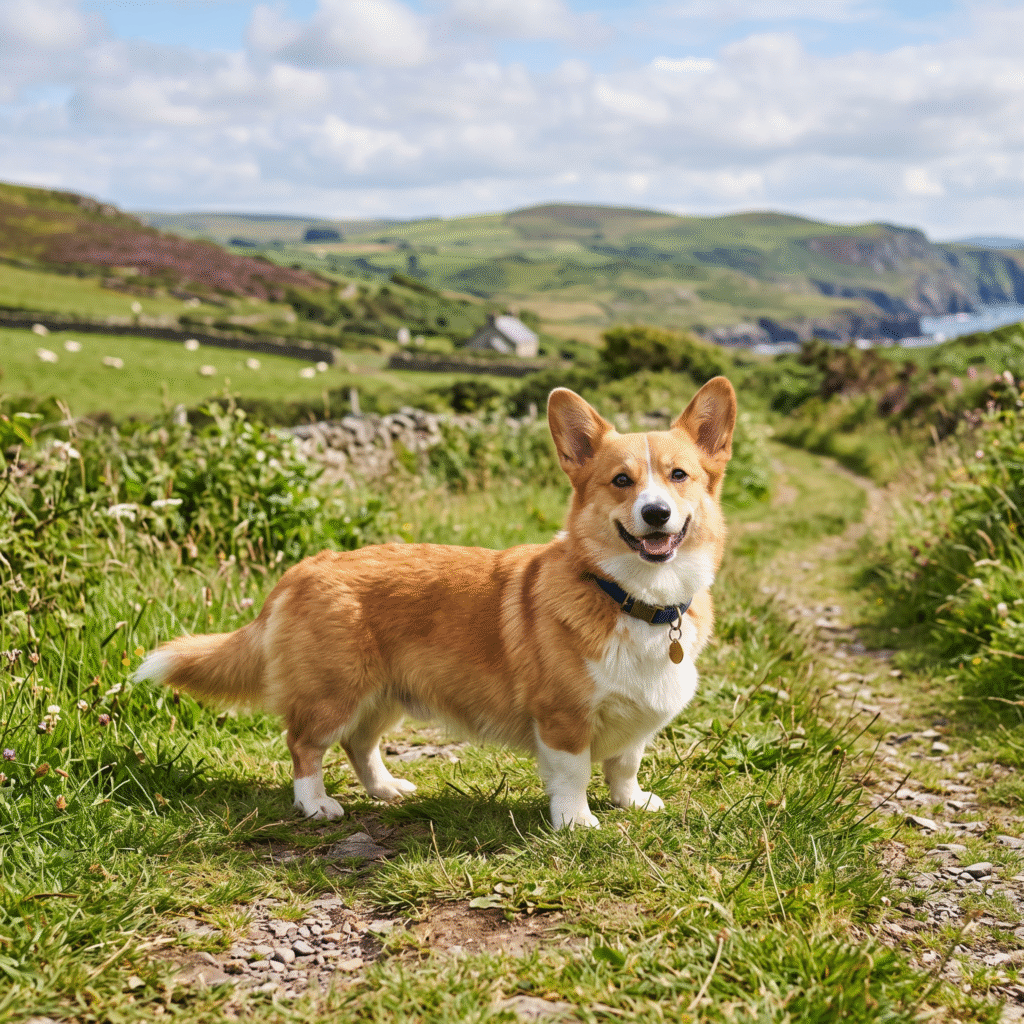
Welsh Corgis charm countless hearts with their unmistakable look and lively spirits. But did you know there are actually two different breeds of Welsh Corgis? The Pembroke and the Cardigan Corgis might look similar at first glance, but they’ve got unique traits that set them apart.

Pembroke Welsh Corgis are the more popular of the two. They flaunt a straighter build and are often seen with those cute docked tails. Cardigans, on the other hand, sport fox-like bushy tails and a slightly more rugged build. Both breeds are double-coated, but Cardigans tend to come in a wider array of colors. Historically, while both were bred in Wales as herding dogs, Pembrokes were more connected to the royal family, thanks to Queen Elizabeth II’s fondness for them.

Their days as skilled cattle-herders are long gone, but the instincts remain. Corgis are always alert, ready to chase anything moving, showing off their herding heritage. And yep, they’re seriously intelligent and quite vocal—qualities that come from their working dog history.

When it comes to personality, you’re looking at affectionate, smart, and sometimes stubborn little pals. While most Corgis are sociable, don’t be surprised if yours insists on doing things their own way now and then. It’s part of their charm! Just remember, they’re individuals with their unique quirks.

Wondering if a Corgi’s right for you? Think about your home’s activity vibe—these dogs need action! They fit well in homes where they get plenty of playtime, mental challenges, and affection. Consider your tolerance for barking (they love to chat) and whether young kids or other pets are in the mix. It’s all about making sure you can give back the love and care these spirited canines offer.

Daily Life With a Corgi: Exercise, Training, and Enrichment That Matter

Welsh Corgis might come in small packages, but their energy is off the charts! Keeping these pups physically and mentally satisfied is key to a happy life together. Daily strolls around the block? Check! Playful fetch sessions? Absolutely! But remember, their little legs can only handle so much, so easy does it when it comes to jumps and long runs.

Mental stimulation is a must with these brainy pups. Mix it up with fun activities like scent games, food puzzles, or teaching them new tricks. They’re natural learners and thrive when you keep them challenged. Don’t sleep on dog sports like agility or rally either—they’re perfect for that sharp mind and playful soul.

Got some behavior quirks to iron out? Maybe your Corgi’s gone all Shakespeare with the soliloquy-style barking or turned your hallway into a herd zone, nipping heels and all. Positive training is your best friend here. Reward-based methods help curb those tendencies while reinforcing good behavior with treats and belly rubs.

Social life matters too! From puppyhood, make sure they’re meeting new faces and paws in a positive way. Set up gentle introductions to kids and fellow furry friends. This helps them grow into confident, well-rounded dogs.

If things ever feel a bit too much, don’t hesitate to reach out to a professional. A good, force-free trainer can be a game-changer, helping you both navigate any rough patches with expert ease.

Corgi Health and Care: Protecting Their Long Backs and Thick Coats

Keeping your Corgi in tip-top shape goes beyond daily antics around the park. Routine vet checks are your go-to for catching any hiccups early. Vaccinations, tailored to your area, along with parasite prevention, keep the nasties away, while good dental hygiene is a must for their overall health.

Watch that waistline! Corgis, with their long bodies, are prone to issues with their spine and joints if they get too chunky. That cute beggar’s face might be hard to resist, but keeping treats in check helps your Corgi stay active and pain-free.

Home habits can make a world of difference. Think twice about encouraging too much jumping on and off furniture. Ramps and carpet runners can reduce strain on those little legs and long backs, making your home a safer playground for Corgis.

As for that lush double coat, regular brushing is key to manage that shedding cycle—especially during those heavy seasonal sheds. Baths? Sure, but not too often. And those nails? Keep them trimmed to avoid discomfort.

When getting a Corgi from breeders or rescues, asking about family health history is smart. It’ll give you insights into potential health hurdles and help you plan. Lifelong care isn’t just a short commitment, it’s a promise.

Finding the Right Welsh Corgi: Responsible Breeders, Rescue, and Lifelong Commitment

Starting your journey with a Welsh Corgi? Getting them from a responsible breeder who prioritizes health and ethical practices is essential. Look for transparency in their health screenings, open communication, and a willingness to answer all your burning questions. A good breeder is there not just when you bring your pup home, but throughout their life.

Considering rescue? Breed-specific rescues can be a great place to start when looking for a Corgi in need of a good home. They often have detailed info about their dogs’ histories, which helps you make an informed choice. Adopting a rescue not only changes a life, but they bring a ton of love and gratitude to their new family.

Regardless of where your Corgi comes from, ask the tough questions. What’s their grooming routine? How much training do they need? Will your work schedule allow you to be there for them? These dogs love company, so being left alone all day isn’t their vibe. Make sure your housing situation is Corgi-friendly too—some landlords have breed restrictions or rules about pets.

Remember, bringing a dog home means considering their needs over their lifetime—from food and grooming to possible emergencies and ensuring you’re always prepared for their care. It’s about sweet snuggles, yes, but also being ready to tackle any challenge that comes with being a Corgi parent.

Chase the excitement of owning a Welsh Corgi with realistic expectations and a heart ready for a long-term commitment. If both are present, you’ve found more than a pet—you’ve got a devoted friend for life!

Amazon Associate receives compensation for qualified purchases

Shop Amazon

Miniature Shelties

When folks say “Miniature Sheltie,” they’re often talking about Shetland Sheepdogs that are smaller than usual. The thing is, “Miniature Sheltie” isn’t an official category in breed standards. That’s important to remember when you’re sifting through the fluff and looking for the right dog.

Sometimes these smaller dogs can occur naturally because of genetics, kind of like how some siblings end up shorter than others. But some of these so-called miniatures are actually mixed-breeds or even intentionally undersized dogs sold with misleading labels. It’s a bit of a jungle out there, honestly.

A standard Shetland Sheepdog usually stands about 13 to 16 inches tall. Yet, you’ll see some pups that grow a bit outside that range. This variety stems from genetics, diet, and even their early environment. Keep your eyes open for these details when someone slaps the ‘miniature’ tag on a puppy you’re eyeing.

If you’re considering welcoming a tiny Sheltie into your life, do your due diligence. Start with getting all the facts: look at the pedigree, check how big the parents are, go over veterinary records, and get real with the breeder. A bona fide breeder should be transparent and happy to answer your questions.

The Real-Life Mini Sheltie Experience: Temperament, Activity, and Daily Needs

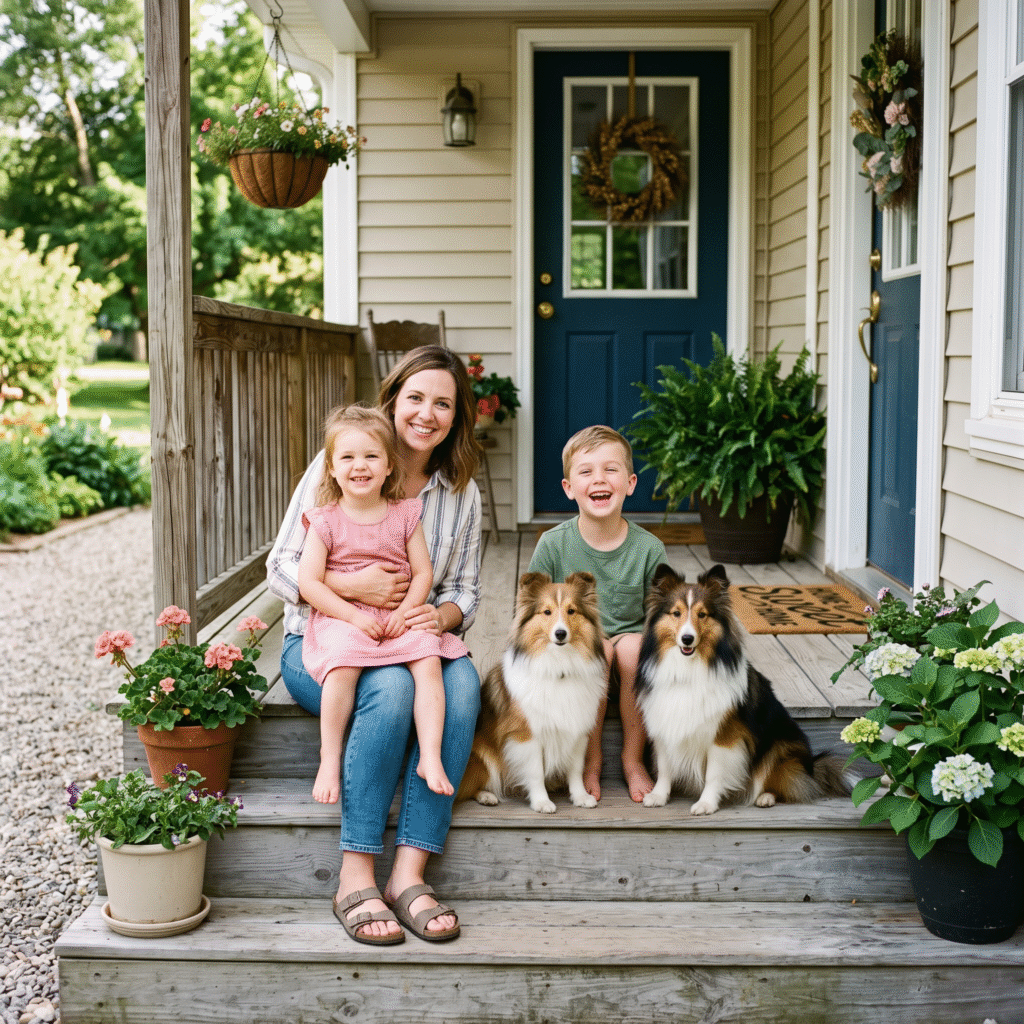
Mini Shelties, or these pint-sized Sheltie-like dogs, come packed with personality. They’re typically brainy, a bit on the sensitive side, and fiercely loyal to their human packs. It’s almost like they’re always on watch for any action. These traits make them standouts in the family pet department.

Don’t get fooled by their size when it comes to activity levels. These little furballs might look small, but they’ve got the spirit of a true herder. They’re fans of daily exercise, crave some training challenges, and thrive on mental enrichment. Let them tap into that herding instinct with fun games and activities to keep them physically and mentally sharp.

Hanging out with a Mini Sheltie means dealing with some barking—because, wow, can they talk! They might also be a bit wary of strangers at first, so a little patience during introductions goes a long way. Herding behaviors can pop up, especially with kids and other pets, so it’s more about managing that than trying to squash it completely.

Give these dogs what they love: rewarding them with positive reinforcement, engaging them in scent games, taking them on those scenic walks, and letting them socialize in a calm, positive setting. These routines not only make them happy but also strengthen the bond between you and your little barking buddy.

Health, Ethical Breeding, and the Questions Responsible Buyers Should Ask

Going small just for the sake of size can sometimes mean health issues. Breeding tiny dogs without looking at health first might lead to inherited problems getting worse over time. It’s like rolling the dice with their well-being.

When you’re thinking about bringing home a pint-sized pup, there are health boxes to check: eye diseases, hips, thyroid levels, drug sensitivities, and even how their tiny teeth fit in their mouth. Chats with vets and asking breeders the hard questions helps a lot here.

Ethical breeders are open books. They don’t hide health tests, and they’re cool with you asking lots of questions. They’ll even take your dog back if things don’t work out. You should expect to see clean spaces, social puppies, and no weird sales pressure.

Watch out for red flags, like breeders using terms like ‘rare’ or ‘teacup’ without backing it up. If they’re cagey about puppy parents or force quick payments, it’s sketchy. And under no circumstances believe promises that a puppy will always stay tiny.

For folks thinking about adoption, don’t skip checking out rescues or shelters. You might stumble upon a Sheltie mix or small purebred that’s perfect for your home.

Is a Smaller Sheltie-Type Dog Right for You? A Practical Decision Checklist

Bringing any dog home starts with finding the right match for you and your lifestyle, not just picking based on size. Think about whether you’ve got the time and interest in training, can deal with some barking, and are committed to grooming.

Daily grooming is the name of the game when it comes to their luscious coats. These Sheltie-types love a good brush, especially during shedding seasons, to keep the mats at bay. And never shave that double coat—a good haircut or seasonal trim’s the way to go when needed.

Consider the financial aspect too. You’ll be buying quality kibble, covering all those vet check-ups, maybe even hiring a groomer once in a while, and sticking to training classes if necessary. A rainy-day fund or pet insurance comes in handy when surprises pop up.

You’ve gotta do some prep work before making the commitment: meet some adult dogs, double-check any records, and be on the lookout for the right positive-reinforcement trainer. Help them settle into a prepared living space that’s been made puppy-safe.

The goal is to find a healthy, happy dog from people who raise them ethically—one who fits perfectly into your life beyond any clever marketing.”

Amazon Associate receives compensation on qualified purchases

Shop Amazon

Why Does My Dog Bark So Much

Dogs, much like people, have their quirks and personalities, and barking is a fundamental way of expressing themselves. It’s how they communicate their needs, warnings, and excitement. Recognizing that barking is a natural instinct can help set realistic expectations.

Some dogs have been bred to bark more than others. For instance, it’s normal for a Beagle or a terrier to be more vocal because of their history as hunting companions. They needed to alert their human partners about their findings or potential dangers.

The relationship between humans and dogs has always been special. We’ve come to expect our canine friends to be protective and expressive, often through barking. But it’s a delicate balance. Understanding why they bark helps manage these behaviors better. Sometimes, they might be seeking attention because they’re bored or need more playtime.

Decoding these motivations requires paying attention to their surroundings and their specific triggers. Is your dog barking because it sees another dog? Or is it just excited when you come home from work? It can boil down to a mix of instinctual behavior and learned habits.

By observing their barking patterns, you can unravel the mysteries of what might be on their mind, paving the way for better communication and a stronger bond with your fluffy friend.

Identifying Different Types of Barking and What They Mean

Not all barks are created equal. Sometimes, it’s a low growl that builds into a sharp bark, and other times, it’s a series of quick-paced yaps. Each type reveals a little something different about what your dog is trying to say. Recognizing these differences can make all the difference in meeting their needs.

Boredom barking can be a real challenge. Think about it like when you’ve got nothing to do, you might twiddle your thumbs or tap your feet. Dogs, however, might bark just to fill the silence. They’re expressing a need for mental stimulation or attention.

The alert bark is a classic. Your pup might have seen a squirrel through the window or heard a stranger approaching. This type of barking is loud and repetitive, meant to grab your attention or warn you of something unexpected.

Attention-seeking barks are more about connection. It could be a single bark followed by a hopeful look that says, ‘Hey, throw my ball!’ It’s their way of asking for interaction.

Anxiety can also be a culprit behind the noise. Dogs with separation anxiety might bark relentlessly when left alone. You might notice this bark paired with pacing, drooling, or other signs of stress.

Tone and frequency give away loads of information too. Is it a deep, persistent bark or high-pitched and occasional? Paying attention to these cues can provide insights into what’s on their mind.

Understanding these different barks provides a clearer window into their world. It’s about acknowledging their emotions and needs, which is the first step in addressing them effectively.

Effective Strategies for Managing Excessive Barking

Sometimes, excessive barking feels like an uphill battle, but with the right approach, it’s more than manageable. Training is your best ally. Consistent commands and practices work wonders over time. Teach them ‘quiet’ as a command, rewarding silence when they respond correctly. Consistency is key here.

Enriching their environment can make a big difference too. A bored dog is a barking dog, so consider puzzle toys that challenge their minds or new playmates to burn off that energy. Fresh experiences like changing up walking routes or introducing new types of play can also help keep their minds busy.

Positive reinforcement goes a long way in training pups. Rewards for not barking, especially when they’re tempted, create associations in their minds. Treats, affection, and praise build those positive connections. Always focus on rewarding the behavior you want to encourage rather than punishing what you don’t.

Sometimes, though, it’s about understanding when to redirect. If barking gets their needs met, like food or play, they might learn to use it strategically. A quick way to counter this is by remaining calm and ignoring their noise until they settle before giving them what they want. It might feel counterintuitive but they get the message after a while.

When to Seek Professional Help for Your Dog’s Barking

Sometimes, even with the best intentions, you might find that your dog’s barking habits are beyond what you can handle alone. Recognizing when to call in the experts is a smart move. It’s not admitting defeat but asking for the tools you need to help your dog.

Watch for signs that something deeper might be triggering their noise. If there’s sudden panic or fearful barking, they could be responding to something traumatic or feeling unwell. Certain medical conditions can intensify barking, so a vet checkup could be the first step in ruling out health issues.

Behavioral therapy for dogs can make all the difference. Professionals in behavior can pinpoint triggers and guide both you and your dog through tailored training plans. From anxiety to aggression, behaviorists have strategies to help manage all kinds of issues.

Finding a trusted trainer or behaviorist is like finding that perfect piece in a puzzle. Look for licensed experts who have solid experience. Reviews from other pet owners can ensure you’re working with someone who gets results.

These experts not only solve barking problems but also allow new insight into your dog’s behavior. They can equip you with skills and techniques that create lasting change and peace for both you and your four-legged friend.

Amazon Associate receives compensation for qualified purchases

Shop Amazon

Best Watch Dog

When we’re talking about keeping your home safe, having a reliable watchdog can be a game-changer. Dogs have been our guardians for centuries, and knowing what makes a great watchdog is the first step in choosing the right furry defender for your family.

At the top of the list is loyalty and protection instinct. A good watchdog knows its purpose is to keep an eye on things and bark at any hint of trouble. It’s not just about having a big bark though. Temperament is crucial—these dogs need to be calm and confident, not overly aggressive, to avoid unnecessary risks.

Behavior is another biggie. You’ll want a pup that’s alert but not anxious, quick on its paws but not nervous. Thoughtful training can help iron out the wrinkles in behavior, molding an enthusiastic pup into a composed protector.

Training is where it all comes together. A well-trained dog isn’t born overnight. It needs consistent, structured guidance from you or a professional. Yes, time and effort are key here, but the payoff is a reliable companion who’s got your back.

Ultimately, the traits of a watchdog boil down to a balance between vigilance and restraint, needing both to be effective. Assessing these qualities thoroughly ensures you’ll find a breed or individual dog that seamlessly fits into your life while keeping you safe.

Top Watch Dog Breeds: Expert Evaluations and Insights

Picking the right watchdog breed is a bit like finding a new best friend who also happens to keep an eye on your house. Some breeds have those star qualities like loyalty, intelligence, and protective instincts bred right in. Not every dog fits every home, though, so matching up those traits with what you need is vital.

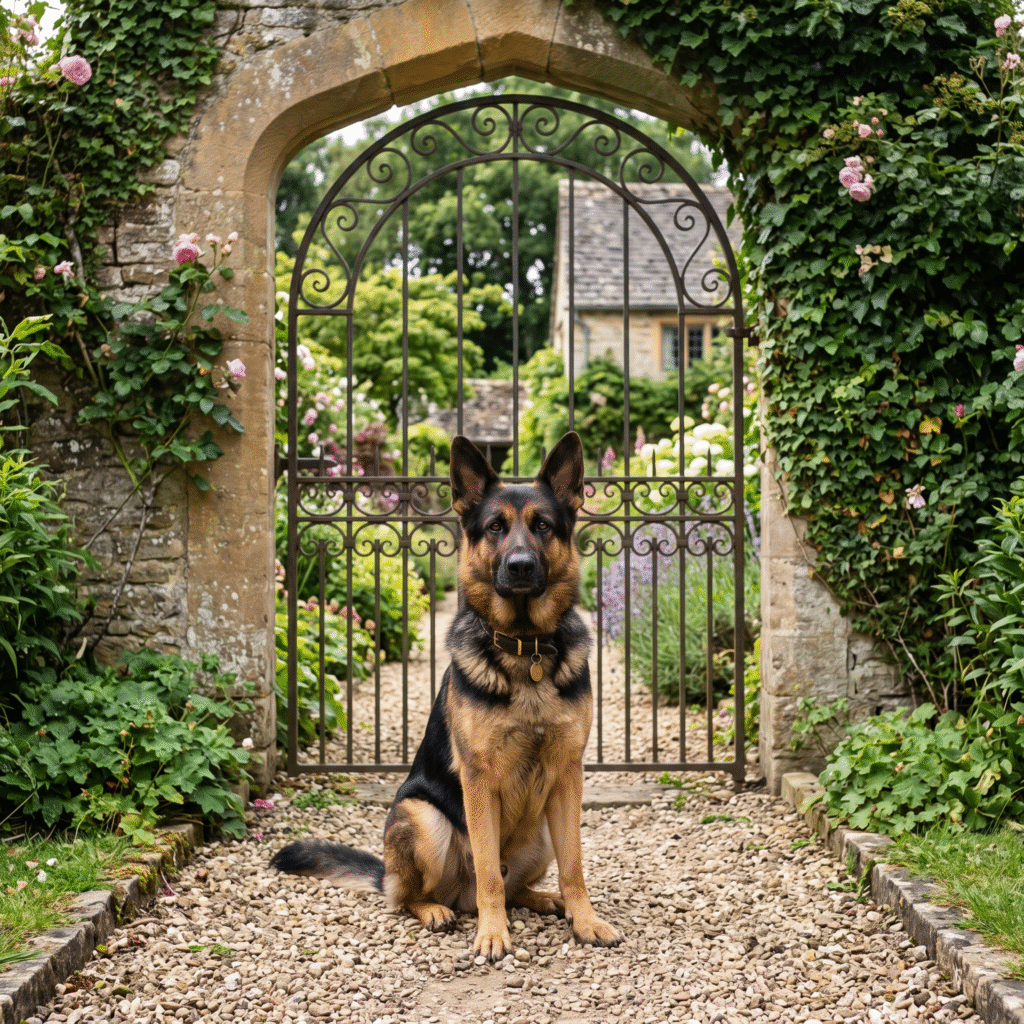
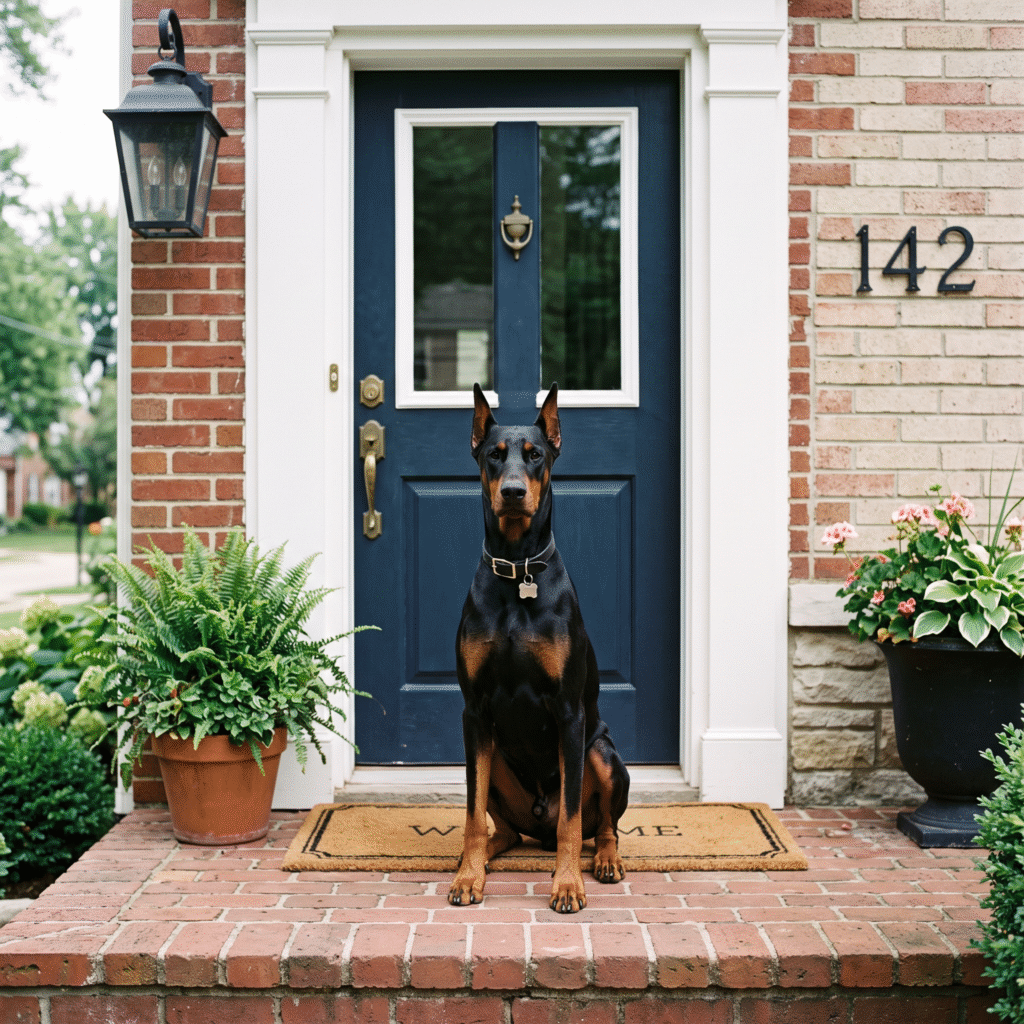
Experts often rave about breeds like the German Shepherd, known for its brains and bravery, and the Rottweiler, a powerhouse of muscle and loyalty. Then there are the Doberman Pinschers with their sleek looks and quick minds, often landing on top watchdog lists for all the right reasons.

But don’t sleep on lesser-known but effective breeds. Dogs like the Belgian Malinois or Bullmastiff might not grab the headlines, but they pack a punch in the watchdog world. They’ve got just the right blend of agility and protectiveness to handle most jobs.

Each breed comes with its own mix of strengths and quirks, so doing your homework is key. Some might shed like it’s going out of fashion or need more exercise than you’re prepared to give. Listen to what the experts say about these breeds and take it from there—choosing a watchdog is a big deal and deserves careful thought.

Finding the best fit means thinking beyond the breed stereotypes. Every dog is an individual, after all, with unique needs and personalities. Weigh what the experts say with your gut feelings and specific needs to find the right match that fits both the home vibe and security needs.

Training Tips: How to Transform Your Dog into the Ultimate Protector

Training a watchdog isn’t just about teaching it to bark on command. The true art lies in creating a protective partner who knows when to raise the alarm and when to hang back. Whether you’re an experienced dog handler or a newbie, professional training advice can make a huge difference.

You’ve got two main paths here: hiring a pro or going the DIY route. Pros know their stuff and come equipped with techniques that can ramp up your dog’s skills in no time. But if you’re game, training at home can build a super-strong bond, making your dog more attuned to your cues.

Socialization should top your list. A well-rounded watchdog knows when something’s amiss, not when the mailman shows up. Keep your dog exposed to different situations, people, and environments to develop a keen sense of judgment.

You can’t overstate the value of obedience training. It’s the backbone of a good watchdog. Commands like “stay,” “come,” and “leave it” prove invaluable when instincts kick in. Start simple, keep it consistent, and reward good behavior to keep progress rolling.

Watch out for common mistakes—like neglecting mental stimulation or skipping exercise. Both can make a dog overly anxious or poorly behaved. Balance is key: engage their minds with puzzle toys and their bodies with regular play.

Caring for Your Watch Dog: Essential Health and Wellbeing Guidelines

Keeping your watchdog in tip-top shape isn’t just about feeding kibbles and bits. Get ready to dive into the nitty-gritty of health and wellness to ensure your furry guardian stays sharp and happy.

Let’s talk chow. Active watchdogs need top-notch nutrition to fuel their day. Think about high-quality proteins and nutrients that support muscle and joint health for all that running and jumping. Special diets might even come into play for breeds with unique needs.

Exercise? It’s non-negotiable. A bored watchdog isn’t a happy one. Regular exercise routines maintain stamina and focus, so your dog stays ready to respond when needed. Mix up physical activities with mind games to keep boredom at bay.

Routine health check-ups are a must. Regular vet visits for screenings can catch issues before they become big problems. Keep an eye on weight, dental health, and parasite prevention to head off any health hiccups before they happen.

Balancing work and relaxation helps prevent burnout. Yes, dogs can burn out too! Making enough time for rest and play nurtures their mental health and keeps them well-adjusted and responsive, ensuring they’re not just protectors but happy family members too.

The Human Side of the Watch Dog Equation: Safety, Responsibilities, and Legal Considerations

Owning a watchdog isn’t just about the security they offer. It’s about understanding the wider responsibilities and implications that come with it. Knowing your role in this partnership is crucial for ensuring everything goes smoothly and safely.

First off, let’s touch on the legal side of things. Certain areas have regulations about owning specific breeds considered potentially dangerous. It pays to know local laws before you commit to a watchdog. Being informed helps avoid unnecessary legal tangles down the road.

Creating a safe environment is vital. A watchdog needs clear boundaries to distinguish between friend and foe. Proper fencing and identification tags can make a world of difference in helping your watchdog do its job effectively.

Owning a protective breed means stepping up to some serious ethical considerations. This isn’t just any pet—it’s a guardian. You’re responsible not just for their training, but also for appropriate behavior towards others. Keeping control and ensuring they don’t react aggressively is part of the package.

Having a plan for emergencies is just smart. If something goes wrong, like your dog biting someone, you need to know what steps to take. From medical attention to contacting your insurer, being prepared is better than caught off-guard.

Balancing the watchdog’s role with family life—keeping the humans in your home safe while ensuring your dog follows the rules—requires effort and understanding. With the right approach, your watchdog can enrich your life while providing peace of mind.

Amazon Associate receives compensation for qualified purchases

Shop Amazon

Breed-Specific Health Issues

Every dog breed is kind of like a unique puzzle, and breed-specific health issues are some of the trickier pieces. These are problems that some dog breeds are more prone to than others. They pop up due to a mix of genetics, environment, and yes, sometimes just plain bad luck.

Genetics plays a major role here. Think about how certain hair colors run in families. It’s similar with dogs, but instead of just passing on physical traits, they’re inheriting health traits too. This is why knowing about a breed’s lineage and pedigree can be a big help.

Now, genetics is important, but it’s not the whole story. The environment around your pup can stir things up too. Just like people, dogs can be affected by diet, exercise, stress levels, and even the area they live in. These factors can often turn a genetic predisposition into a real health problem.

Getting ahead of these issues is key. Regular veterinary check-ups and screenings can catch problems before they get serious. The earlier you start keeping an eye on symptoms, the better you’ll be at managing any nasty surprises.

Common Health Concerns Across Popular Breeds

Different dog breeds face different health hurdles. For instance, if you’ve got a German Shepherd lounging on your couch, you’re probably familiar with hip dysplasia. It’s a common issue where the hip joint doesn’t fit snugly, causing discomfort and mobility issues over time. Regular vet checks and keeping your dog at a healthy weight can help manage this condition.

The Bulldog’s adorable squished face might be the reason you nearly emptied your bank account for one, but it comes with its share of challenges. These and other brachycephalic (smush-faced) breeds often encounter breathing problems. Their anatomy makes them prone to issues like snoring, overheating, and sometimes more serious breathing troubles. Keeping them cool and monitoring their activity levels can make a big difference.

Over in the Cavalier King Charles Spaniel camp, heart disease is often the biggest enemy. Mitral valve disease, where one of the heart’s valves fails to close properly, is a common concern. Routine heart screenings can be invaluable here, helping catch changes before they lead to more complex health problems.

Golden Retrievers are often the go-to family dog, but they have a higher risk of cancer compared to other breeds. Keeping an eye out for unusual lumps and bumps, as well as regular vet visits, is important. Diet and lifestyle choices play a big role in keeping those golden years golden, too.

The Human Side: Caring for Pets with Breed-Specific Conditions

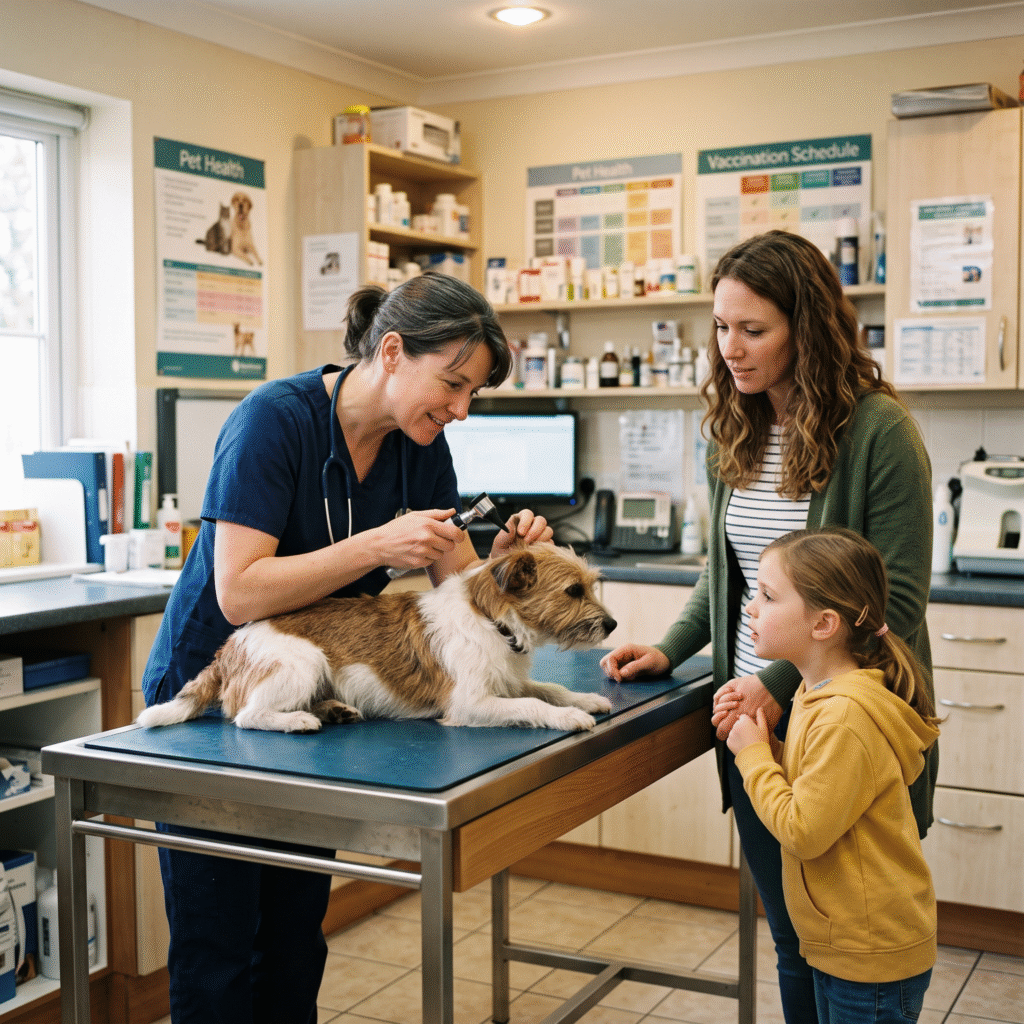
Dealing with a pet’s chronic illness is tough, not just for the animal, but for the whole family. It’s almost like adding a new dimension to pet ownership that requires emotional resilience and sometimes rethinking household finances. Healthcare for pets can be pricey, and the stress can add up if you’re not prepared.

Creating a home environment that supports your pet’s health needs is crucial. This might mean setting up ramps for dogs with joint issues or managing the temperature for those with breathing difficulties. Practical adjustments can seriously improve their quality of life and make day-to-day living smoother for everyone.

Diet, exercise, and supplements often play major roles in managing these health issues. Feeding your pet a diet that’s specifically tailored to their needs can be more beneficial than you’d think. Regular exercise, adapted to their capabilities, helps too. Supplementation should always be discussed with a vet to make sure it’s safe and effective.

Finding a solid support system, whether it’s online forums, local pet groups, or talking with your vet, can be really helpful. Connecting with others who are in the same boat means sharing advice, stories, and even sometimes a good laugh, because everyone gets it.

Preventative Measures: What Owners Can Do

Choosing the right breeder is an important first step. Make sure the breeder provides clear health guarantees and can discuss the health screenings carried out on the pup’s parents. This info can give you a heads up on any potential health issues to watch for.

Routine check-ups with your vet go a long way in keeping things in check. Regular vet visits mean vaccinations, screenings, and catching any sneaky signs of trouble early on. Knowing your pet’s normal behavior can also help in spotting when something’s off.

Exploring holistic approaches, like acupuncture or massage, combined with traditional medicine, might be beneficial too. Every pet is different, so tailoring a health regimen with your vet can lead to great outcomes.

Staying informed is easier than ever with online resources, workshops, and community programs. Keeping your pet healthy is partly about being a curious and engaged owner.

Amazon Associate receives compensation on qualified purchases

Shop Amazon