There’s a whole world of importance tied to the way we feed our pets. Balanced nutrition isn’t just for us—it’s super important for our furry buddies too. Just like with humans, what pets eat directly impacts their health, energy levels, and overall happiness.
Now, here’s a cool fact: dogs and cats have totally different nutritional needs. Cats are obligate carnivores, which means they thrive on a diet rich in meat. Dogs, however, are more like us humans; they are omnivores and can handle a mix of plant and animal foods.
A lot of folks think pet food is all the same, and that’s a misconception. Different pets need different things, and even among dogs and cats, breeds and life stages make a big difference in dietary requirements.
Getting your pet’s diet just right can feel like a puzzle sometimes. This is where your trusted vet comes in handy. Vets have a ton of expertise in nutrition. Regular check-ups can help you understand if your pet’s diet needs any tweaks or changes to maintain optimal health.
Key Vitamins and Minerals Vital for Pet Health
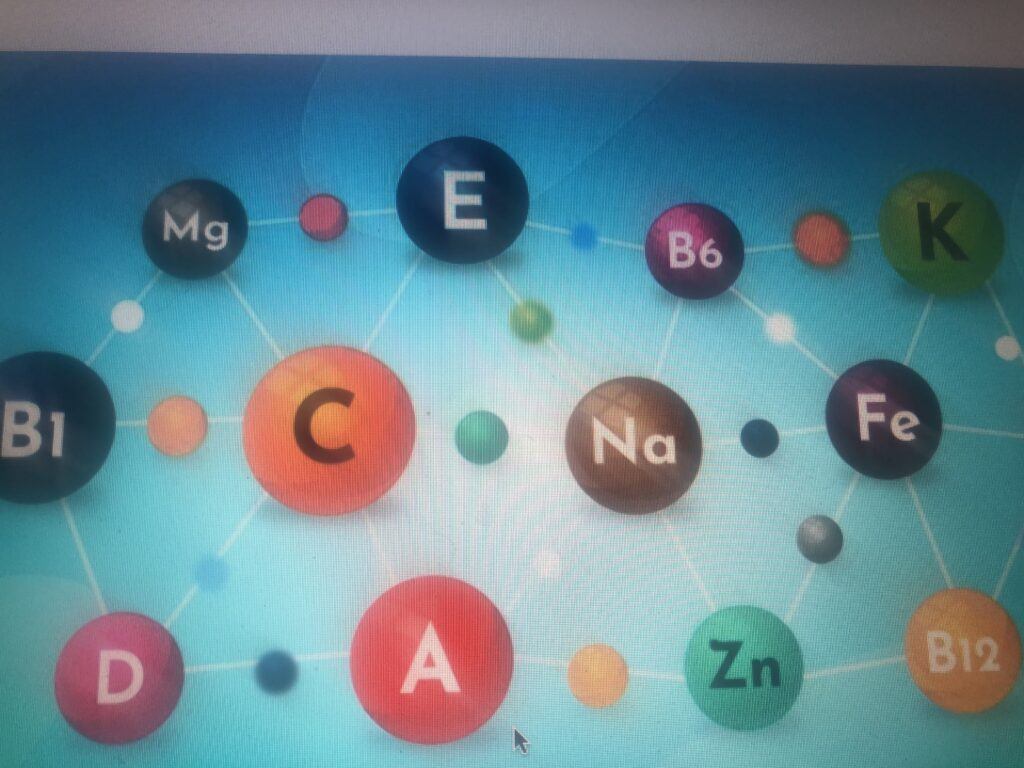
Vitamins and minerals play a crucial role in keeping your pet healthy and happy. Think of them as the little warriors fighting off diseases and helping bodies run smoothly. Each nutrient serves a unique purpose, and missing out on any might leave your pet less than their energetic, playful self.
Take Vitamin A, for instance. It’s not just good for the eyes, it boosts immune function too. Pets need it to keep their vision sharp and to maintain their skin and coat health. And don’t forget Vitamin D. It’s key to calcium absorption, keeping those bones strong and sturdy.
You’ve probably heard about the importance of iron in our diet, right? Well, it’s the same for pets. Iron helps prevent anemia, keeping your furry pal up and about instead of lethargic or weak. Calcium, on the other hand, is the go-to for strong teeth and bones. It’s vital from kitten or puppy age all the way to senior years.
Balancing these nutrients isn’t always simple, but a well-rounded approach often means including a variety of foods or choosing high-quality pet food designed to meet these needs. When in doubt, supplements can provide a helping hand, but it’s best to get your vet’s take before adding anything new to the mix.
The Impact of Nutrition Deficiencies on Pet Well-being
Lack of proper nutrition can really take a toll on your pet’s health. Spotting signs of vitamin deficiencies early can make a world of difference. If your pet’s looking less shiny or a bit lethargic, it might be time to check if they’re getting all the right nutrients.
When pets miss out on important minerals, it can lead to health issues you don’t want for your furry pals. Things like bone deformities, muscle weakness, or anemia can sneak up if those nutrients aren’t in their diet in the right amounts.
Ignoring nutritional needs for too long? Not great. It can lead to big problems, impacting their quality of life. Over time, a poor diet can mean more trips to the vet or even chronic conditions that could have been avoided.
Getting your pet on a tailored nutrition plan can flip the script. Whether your pet is young, old, active, or chill, having a diet suited to their specific needs is golden. A chat with a vet can help you map out a meal plan that keeps them feeling good and strong.
Ensuring Optimal Nutrition: Practical Tips for Pet Owners
When it comes to choosing the right food for your pet, labels can be your best friend. Checking those ingredient lists and nutritional info helps you make sure your pet’s getting everything they need, no filler nonsense.
Deciding between homemade meals and commercial pet food? Each has its perks. Homemade gives you total control over what goes in your pet’s bowl, but requires a bit more planning to get right. Commercial foods often come balanced, taking some guesswork out of the equation.
Supplements can be a great add-on, especially if your pet has specific needs. But before jumping in with a new supplement, having a chat with your vet is a must to ensure it’s truly beneficial.
Regular vet check-ups are more than routine. They’re essential for keeping tabs on your pet’s health, adjusting diets as needed, and catching any nutritional gaps before they turn into bigger issues. After all, keeping your pet healthy and happy is a team effort.