Evaluating your progress along the way is key. You want to know when it’s time to transition from clicker-dependent training to a more relaxed approach using verbal cues or gestures. Trust your gut. If you feel like your dog consistently exhibits the behavior without needing the click, that’s your cue to begin scaling back.
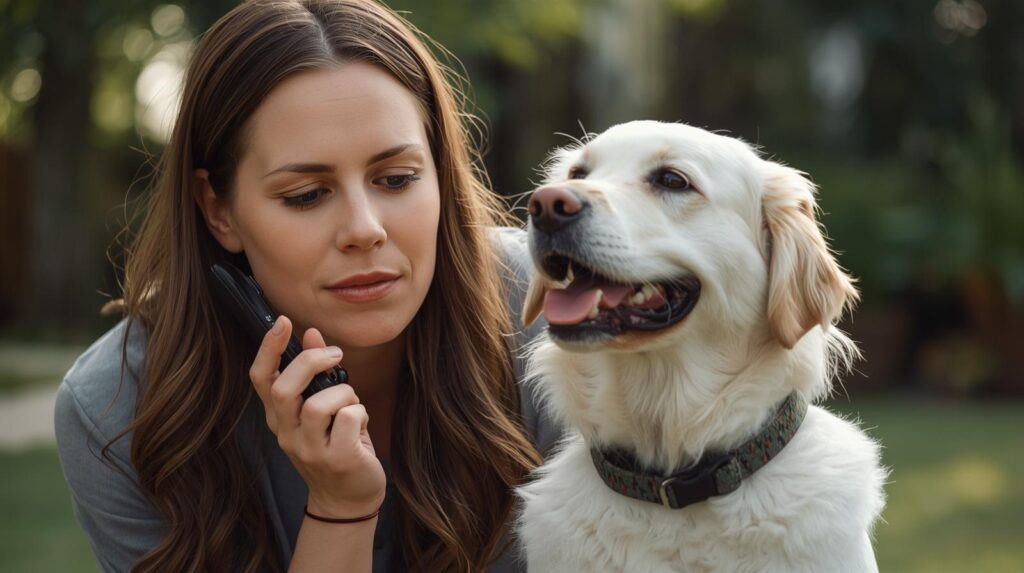
Clicker training, it’s all about that little gadget paired with positive reinforcement. At its core, clicker training involves using a small device that makes a clicking sound—hence the name! When your dog performs a desired behavior, you click the device and follow it up with a treat or praise. It’s a simple yet powerful way to communicate with your furry friend.
So, why does clicker training work so well? The magic lies in the psychology of learning, specifically operant conditioning. When the click sound is consistently paired with a treat, it becomes a conditioned reinforcer. This means your dog starts to understand that a click equals something good is coming. It’s like getting a bonus check every time you do something right—and who wouldn’t want that?
There are plenty of perks to clicker training. For starters, it emphasizes what your dog is doing right instead of what they’re doing wrong. This positive environment builds confidence for your pup. It also speeds up learning because the click provides instant feedback. Plus, it strengthens your bond with your dog since the whole approach is non-confrontational and fun.
But hold on, doesn’t clicker training sound just a bit too good to be true? Some folks think so and there’s a few myths floating around. One common misconception is that you’ll need a clicker forever. Not true! The goal is to eventually phase it out. Another myth is that it’s only for simple tricks or young pups. In reality, it works wonders on almost all dogs, no matter the age or complexity of the task. So, it’s definitely worth a shot if you’re looking for a clear, positive way to train your pup.
The Essentials: Getting Started with Clicker Training Your Dog
Kicking off your clicker training journey requires the right set of tools. First up, choose a clicker that’s comfortable to use, fits in your hand, and has a sound you like. Don’t forget those tasty treats your pup will love. Opt for small, soft treats so your dog can enjoy them quickly and stay focused. It’s best to keep spoiled-in-advance treats in your pocket or a treat pouch, so they’re ready to go.
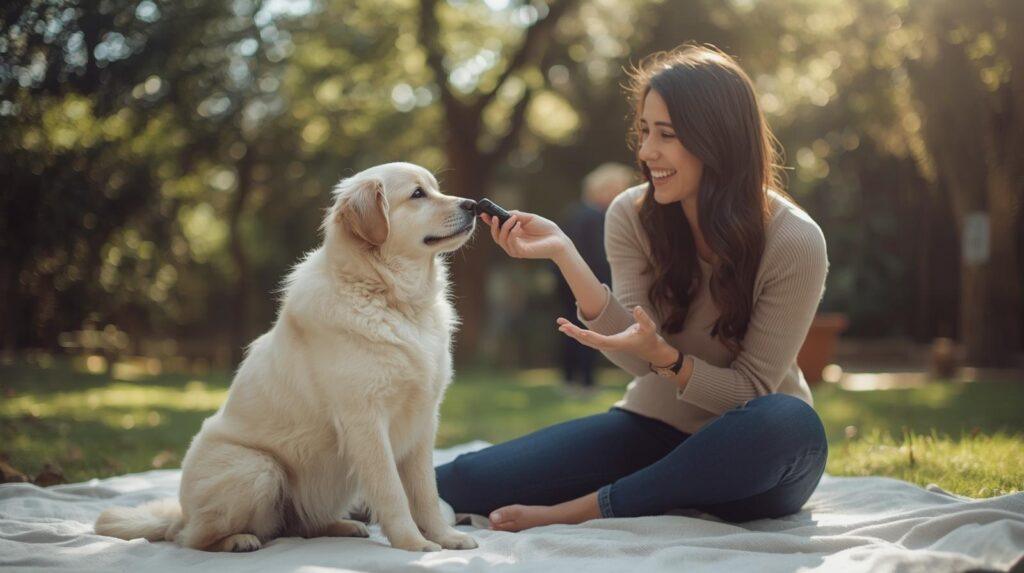
Introducing the clicker sound to your dog is step number one. Get your pup’s attention, click the device, and immediately follow up with a treat. Do this a few times until you notice your dog starts looking at you expectantly after the click. Congratulations, you’ve made the perfect introduction!
Timing is everything in clicker training. Click at the exact moment your dog performs the desired action, and be consistent with your signals. If your timing’s off, your furry friend might get confused about what behavior you’re rewarding. Practice makes perfect, so don’t stress if it doesn’t click (pun intended!) right away.
Keeping training sessions short and sweet is the way to go. Aim for sessions around 5-10 minutes, a few times a day. Ending on a high note keeps your dog eager for the next session. Mix in some playtime or a quick walk in between to avoid boredom and keep it fun. Remember, training should be enjoyable for both you and your dog.
Step-by-Step Techniques: Mastering Basic Commands with a Clicker
Teaching your dog basic commands using a clicker opens up a whole world of communication between the two of you. Start with simple commands like ‘sit’, ‘stay’, ‘come’, and ‘heel’. For ‘sit’, just wait for your dog to naturally plop their rear on the ground, click the moment it touches down, and toss them a treat. Do this over and over, and they’ll start sitting on command.
Now, what about shaping behavior? This technique involves breaking down actions into smaller steps and using the clicker to ‘mark’ each step towards the desired behavior. Think of it as playing a game of hot and cold, where the click tells your pup they’re getting warmer. It’s a flexible approach that encourages creativity and patience from both you and your dog.
Sometimes clicker training isn’t smooth sailing from day one. If you hit a snag, like your dog getting distracted mid-command, no worries. Re-evaluate your surrounding environment. It might be too busy or stimulating. Take baby steps back to reduce distractions, or switch up the reward if treats aren’t cutting it.
Once you’ve nailed the basics, moving onto advanced tricks becomes a whole lot easier. Utilize what they’ve learned to teach fun tricks like spinning, rolling over, or even high-fiving! Your dog’s confidence will soar, and your bond will grow stronger—what’s not to love about that?
Adapting Clicker Training: Tailoring Techniques to Suit Your Dog’s Needs
Clicker training isn’t one-size-fits-all, and that’s the beauty of it! Puppies and older dogs bring different challenges and benefits to the table. With puppies, you can start from scratch, building good habits from day one. Older dogs might need a little more patience due to ingrained behaviors, but hey, you CAN teach an old dog new tricks.
If your dog’s got specific behavioral quirks, clicker training can help tackle those too. Maybe there’s a habit of barking at visitors or jumping on guests. By focusing the clicker on pinpointing the desired behavior, you can work on replacing the unwanted actions with more pleasant ones.
Incorporating clicker training into daily life shouldn’t feel like a chore. Use everyday moments as training opportunities; maybe it’s during a walk or while preparing their meal. It’ll help reinforce commands and turn learning into a seamless part of your routine.
Amazon Associate receives compensation for some purchases