Shih Tzu Dogs

The Shih Tzu, a name echoing with tales of ancient palaces, has a genuinely fascinating backstory steeped in imperial glory. These little fluffballs were once the cherished companions of Chinese royalty, often associated with the Tang Dynasty. Talk about rubbing shoulders with the elite! Their presence added a sprinkle of joy and charm to the royal courts, making them the apple of the emperors’ eyes.

But how did these pampered pooches make their way from the grand halls of Chinese palaces to our cozy homes today? Well, their journey involved a mix of admiration and intrigue, initially piqued by Western travelers and traders. By the early 20th century, Shih Tzus started capturing hearts beyond China, eventually spreading their charm worldwide. These dogs didn’t just travel; they enchanted everyone they met along the way.

In Eastern traditions, Shih Tzus weren’t just seen as cute lapdogs. They often symbolized prosperity, good fortune, and companionship. With their distinctive appearance resembling Chinese guardian lions, or ‘Foo Dogs’, they were considered protectors of the home. It’s no wonder they were so valued and cherished.

So why did Shih Tzus maintain such a lofty status through the ages? It’s their unique blend of royal poise and down-to-earth charm. Even though they’re small, their regal mannerisms can fool anyone into thinking they’re overseeing a kingdom. Once palace guardians, they’re now our adorable companions who still seem to think they’re guarding something precious. And aren’t they just?

Recognizing the Unique Characteristics of Shih Tzu Dogs

Shih Tzus are unmistakably charming, with their luscious coats and signature pushed-in faces. Their physical allure often includes a luxurious double-layered coat, which can be styled in a variety of ways, making them a constant showstopper. There’s no denying their cute button noses and large, round eyes that add to their irresistible appeal.

Their personalities are a colorful mix of charm and mischief. Shih Tzus are known for their affectionate nature, often described as ‘people dogs’ because their love for human company is boundless. But don’t be fooled by their small size; they pack a dog-sized amount of energy and curiosity too.

Even with all that fur, Shih Tzus are less likely to trigger allergies compared to other breeds, thanks to their hair-like coat that sheds minimally. But, it does mean regular grooming is a must to keep their locks looking fabulous and tangle-free. A trip to the groomer is just part of their lifestyle!

Living with a Shih Tzu is quite adaptable. Their compact size makes them perfect residents for city apartments or sprawling country homes. They fit in just about anywhere, melding effortlessly into different living environments while keeping their spirit bright.

As with any breed, knowing these traits helps in understanding how to provide the best home environment for a Shih Tzu. It also means anticipating their needs, ensuring these regal canines remain as content and healthy as they can be.

Nurturing a Healthy and Happy Shih Tzu: Care and Wellness

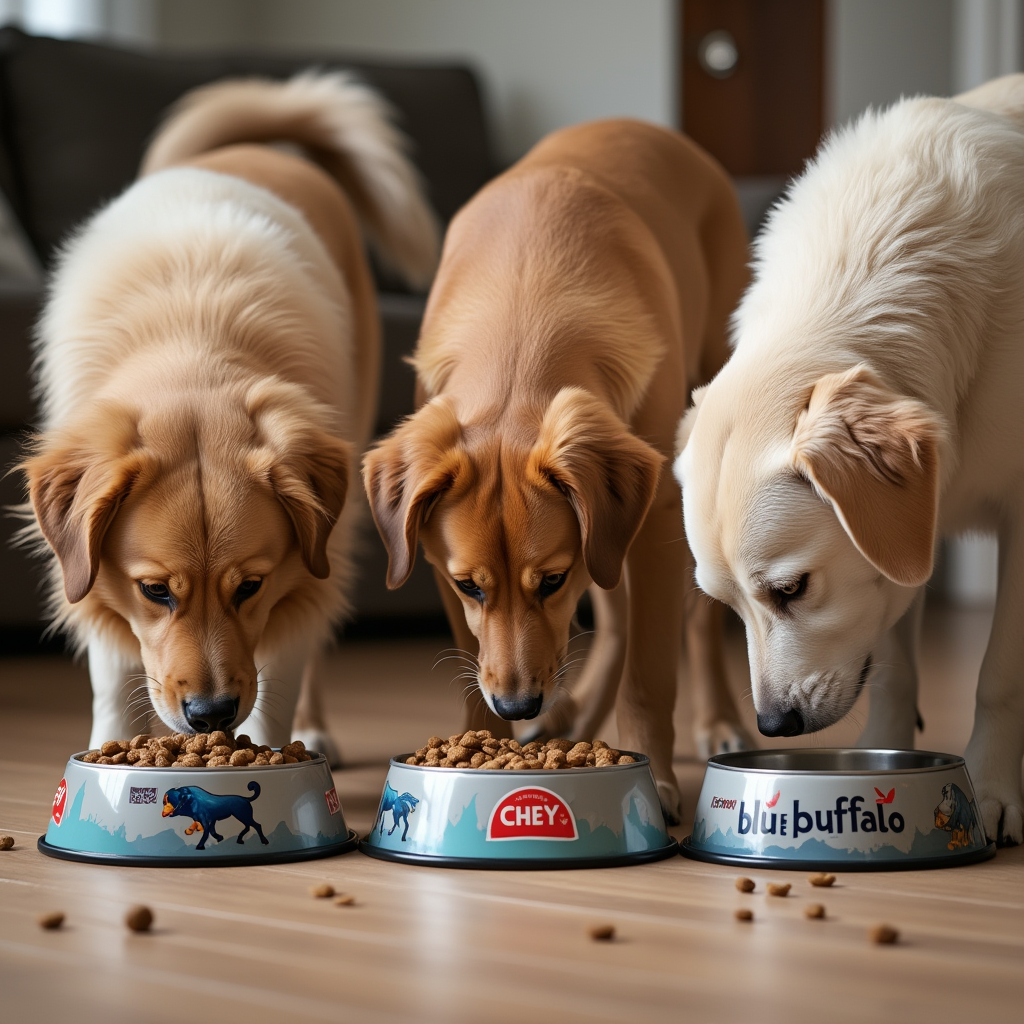
Caring for a Shih Tzu is like looking after a tiny bundle of joy wrapped in fluffy softness. Their nutritional needs are specific, needing a balanced diet rich in protein and vitamins to keep their energy and health in top shape. Choose high-quality dog food, and don’t shy away from consulting a vet to craft the perfect meal plan.

Even though they have a reputation for being lap lovers, Shih Tzus still need regular exercise to burn off energy and maintain a healthy weight. Short walks and playful sessions with their favorite toys do wonders. Keep in mind, they’re not marathon runners, more like the park-on-a-sunny-day kind of dog.

Health is a key concern, with common issues including brachycephalic challenges due to their cute, short noses. Regular vet check-ups help in spotting and managing these conditions early. Eye care is also important since their prominent eyes need some protection and TLC.

Grooming isn’t just about keeping them looking their prince or princess self. It’s crucial for their well-being. Regular brushing, dental care, and cleaning those lovely ears go a long way in preventing issues. Show them some grooming love, and they’ll feel their best!

Building a Harmonious Relationship with Your Shih Tzu

Creating a strong bond with a Shih Tzu is about understanding and patience. Their endearing personality makes them eager to please, but they do need guidance to thrive. Consistent training is key; it instills good behavior and creates understanding between you two. Reward-based training approaches work well, making learning fun for both.

Playtime isn’t just about entertainment. It’s also a bonding opportunity that strengthens your connection. Shih Tzus thrive on interactive activities, whether it’s a gentle game of fetch or learning new tricks. Their intelligence means they enjoy mental challenges as much as physical ones, so puzzles and training exercises are highly beneficial.

Behavioral quirks like separation anxiety or occasional stubbornness might pop up. Early socialization helps tackle these challenges head-on. Exposing them to different environments and people builds confidence and reduces anxiety. Remember, they take cues from you, so staying calm and patient goes a long way.

Understanding your Shih Tzu’s unique quirks helps in fostering effective communication. They’re expressive with tail wags, looks, and soft woofs. Pay attention to these cues to better interpret their needs and emotions. Embracing their individuality ensures they remain the happy, well-adjusted companions you love to have by your side.

Persian Cat

Persian Cat Long Beautiful Coat. and Loving Personality

Persian cats, with their royal lineage, have captured hearts across the globe. They originally hail from the ancient region of Persia, now Iran, brought to Europe in the 1600s by explorers captivated by their unique beauty. Since then, they’ve become a staple in the world of cats, adored for their luxurious looks and sweet nature.

If there’s one thing you’ll notice about a Persian cat, it’s their striking appearance. Those round, flat faces with broad cheeks and a snubbed nose give them a distinctive look. They sport long, thick coats that feel like the softest velvet, making them look like they’ve just stepped out of a fairy tale. And let’s not forget those stunning eyes, like little gems of gold or blue, depending on their color variety.

These cats aren’t just a pretty face. Persian cats are known for their calm and easygoing nature. Perfectly content to lounge around and enjoy a quiet company, they’re the ultimate companion for anyone looking for a low-key companion. But don’t mistake their chill demeanor for laziness. Persians are affectionate and love a good cuddle session—nothing’s better than snuggling up with a Persian on a lazy afternoon.

Persian cats have also wormed their way into popular culture, strutting across movie screens and Instagram feeds alike. Remember Mr. Jinx from ‘Meet the Parents’? That’s a Persian showing off its acting chops! Whether it’s in cartoons, films, or on the social media pages of celebrities, these felines have a way of stealing the limelight, making them icons in their own right.

Caring for Your Persian Cat: Essential Tips and Advice

These glamorous fluff balls need a little extra TLC to keep their looks in tip-top shape. Proper grooming is more than half the battle. Daily brushing is key to avoiding tangles and mats in that stunning coat. A gentle brush and comb can work magic in keeping the fur shiny and healthy. Making grooming part of your daily routine can also double as a bonding time.

Beyond looks, their diet plays a big role in keeping them healthy and happy. Persian cats benefit from a balanced diet rich in protein and essential minerals. Opt for cat food that’s tailored to their specific breed needs, promoting both energy and coat health. Plus, clean freshwater should be a permanent fixture in their day-to-day, just like their food bowl.

Health-wise, Persians have their quirks. Those lovely flat faces can mean respiratory issues like Brachycephalic syndrome, so keep an eye out for any snuffling or breathing troubles. They’re also prone to kidney problems, so regular vet check-ups are a crucial part of the care routine. Sticking to these habits can really set your cat up for a long, healthy life.

Last but not least, setting up their environment is important too. Persian cats love cozy and comfy spaces, free from stress and filled with lots of soft nooks to nap in. They thrive in a peaceful home where they can feel safe and relaxed. Prepare their space with warmth and plenty of peace, and you’ll have a very content kitty on your hands.

Persian Cat Training and Behavior: Building a Vibrant Relationship

Training a Persian cat might sound a bit daunting, but it’s totally doable with a bit of patience and some smart techniques. Start with the basics like litter box training. Stick to consistency and lots of praise when they get it right. A few treats here and there can be excellent motivation to encourage good behavior.

Cats are famous for giving us those enigmatic stares and mysterious behavior. Understanding their body language is like learning a new language but it opens up ways to create stronger bonds. A slow blink from your Persian? That’s basically them blowing you a kitty kiss. Take these subtle cues to heart; they’re telling you more than you know.

Sometimes these felines might throw a curveball with finicky behavior, like avoiding the litter box or acting shy. Tackling these issues usually hinges on understanding the cause—stress, new environments, or maybe a change in routine. Address the source, and most of the time, the behavior will improve with a bit of patience.

Socialization is another piece of the puzzle. While Persians are easygoing, helping them get familiar with other pets and people can enrich their lives. It’s good practice to introduce them gradually to new housemates—both furry and human. With time, they’ll come to see new family members as part of their tribe, adding to the sociable and friendly nature of these wonderful cats.

Choosing a Persian Cat: Making an Informed Decision

Deciding to bring a Persian cat into your home means choosing between adoption or purchasing from a breeder. Adoption gives you the chance to provide a loving home to a rescue cat. Many Persian cats end up in shelters, needing someone to show them compassion and a new life.

If you’re looking into breeders, doing your homework is vital. Reputable breeders will prioritize the health and well-being of their cats above all else. Always check for credentials, visit their place if possible, and ask loads of questions. They should be transparent about the cats’ living conditions, health checks, and temperament.

Before bringing a Persian into your family, think about your lifestyle and the commitment required. These cats demand regular grooming, a specific diet, and they deeply benefit from a stable environment. If you’re up for the dedication, Persian cats reward you with companionship like no other.

Adding a Persian cat to your household is like bringing in a bundle of joy and responsibility. Their charm and cuddly presence bring a unique warmth into any home, making the time and effort spent on their care more than worth it.

Crate Training 101: Building Comfort And Confidence

Crate training gets a bad rap sometimes, mostly because people don’t fully get what it’s about. At its core, it’s a way to help your dog feel comfy and secure while also giving you a handy tool for managing their space. Think of it as giving your furry friend their own little bedroom where they can chill out safely.
This method brings a whole bunch of benefits not just to your pet but also to you. For dogs, it taps into their natural ‘den’ instincts, offering a snug hideaway in your otherwise busy home. Meanwhile, it helps owners with potty training, keeps pups safe when unsupervised, and prevents those little chewed-up shoe disasters we all dread.

Common myths can make crate training seem less appealing. Some folks think it’s cruel or that dogs feel trapped. In reality, when you do it right, your pup will consider their crate a personal retreat, not a cage. It’s all about creating comfort, not confinement. Understanding what crate training is and isn’t sets the foundation for doing it well.

Steps to Successful Crate Training

Picking out the right crate is step one, and it’s more important than you might think. You want something sturdy but comfy, with enough space for your furry pal to stand, turn, and lie down. Think about the material too. Wire crates work for easy storage, while plastic ones are great for travel.

Getting your dog used to their new space takes a bit of time. Ease them in by leaving the door open and letting curiosity lead the way. Toss in some of their favorite treats or toys to make it more inviting. The goal is to build a happy link between your dog and their crate, so patience and positivity are key.

Routine is everything in crate training. Start with short stints and, little by little, build up the time your pup spends in their crate. This should be part of a regular schedule, lining up with their wake and sleep patterns. Making it a normal part of daily life helps set the stage for success.

Overcoming Challenges and Building Confidence

Facing hiccups during crate training isn’t uncommon, especially if your dog isn’t totally on board at first. Addressing barking and anxiety is crucial, and there are a couple of tactics to help you get through it. A comfy bed, familiar toys, and even some background tunes can work wonders. For more persistent issues, calming sprays or a chat with a vet can provide extra guidance.

Tailoring your methods depending on your dog’s age makes a big difference. Puppies soak up new routines pretty fast but have shorter attention spans, so more frequent breaks keep them engaged. On the other hand, adult dogs may take longer to adjust, especially if they’re new to the crate concept. Patience and consistency become your best tools here.

Maintaining crate training progress means keeping an eye on potential setbacks and adjusting as your dog grows. Changes in routine or environment can throw things off, but returning to basics—like positive reinforcement and gradual exposure—can reinforce the training. Keeping the crate a positive spot prevents backsliding while ensuring your dog remains happily independent yet secure.

Munchkin Cat

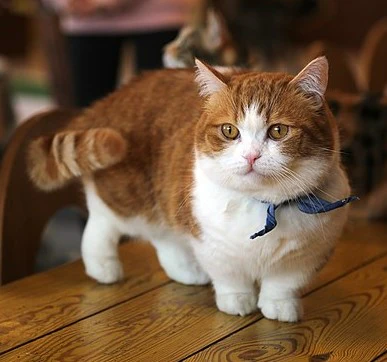
Munchkin cats have this special charm, thanks to their short legs and playful demeanor. Originating somewhere around a couple of decades ago, these little guys have made quite the name for themselves in the world of cats.
So, where do they come from? Back in the early ’80s, a couple of these stumpy-legged wonders were spotted in Louisiana. Fast forward and now they’re a recognized breed with quite the fan base. Named after the little people in ‘The Wizard of Oz’, the Munchkins certainly walk—or should I say waddle—their own way.

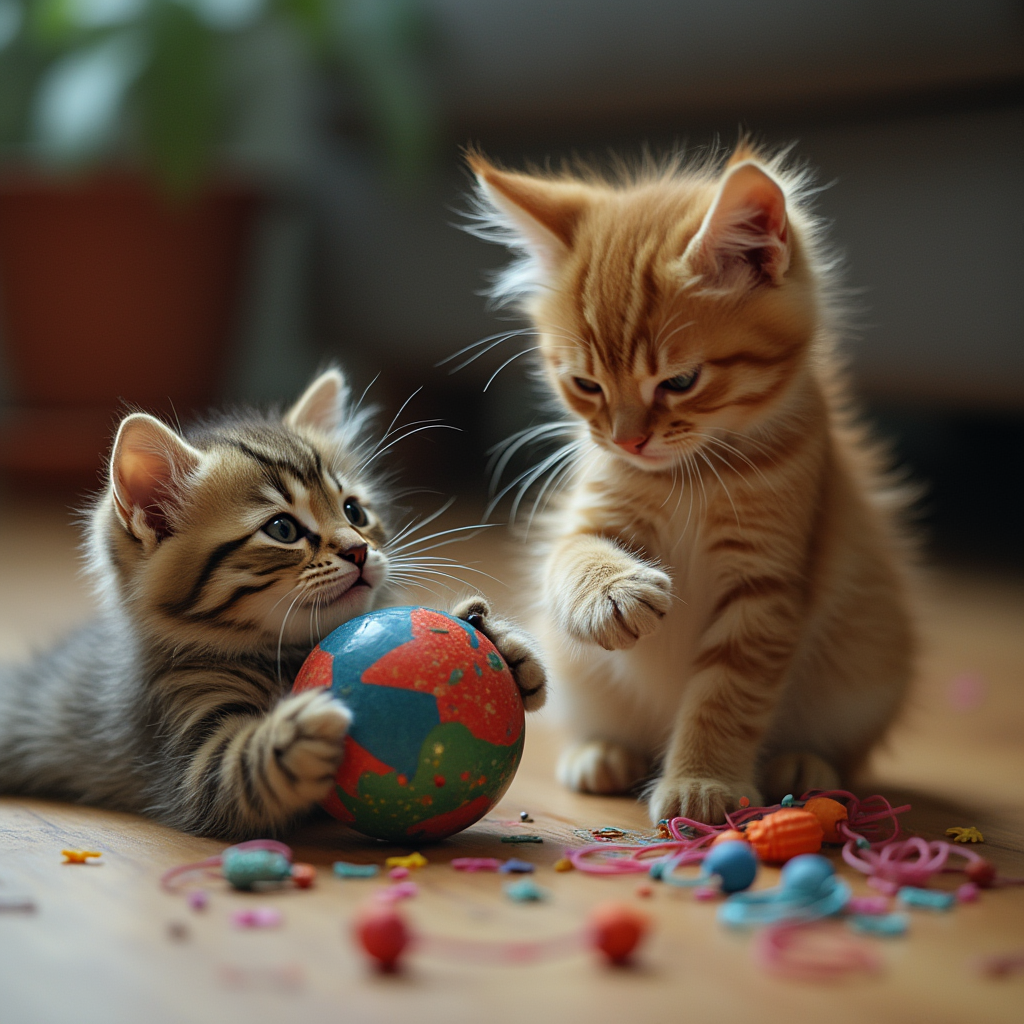
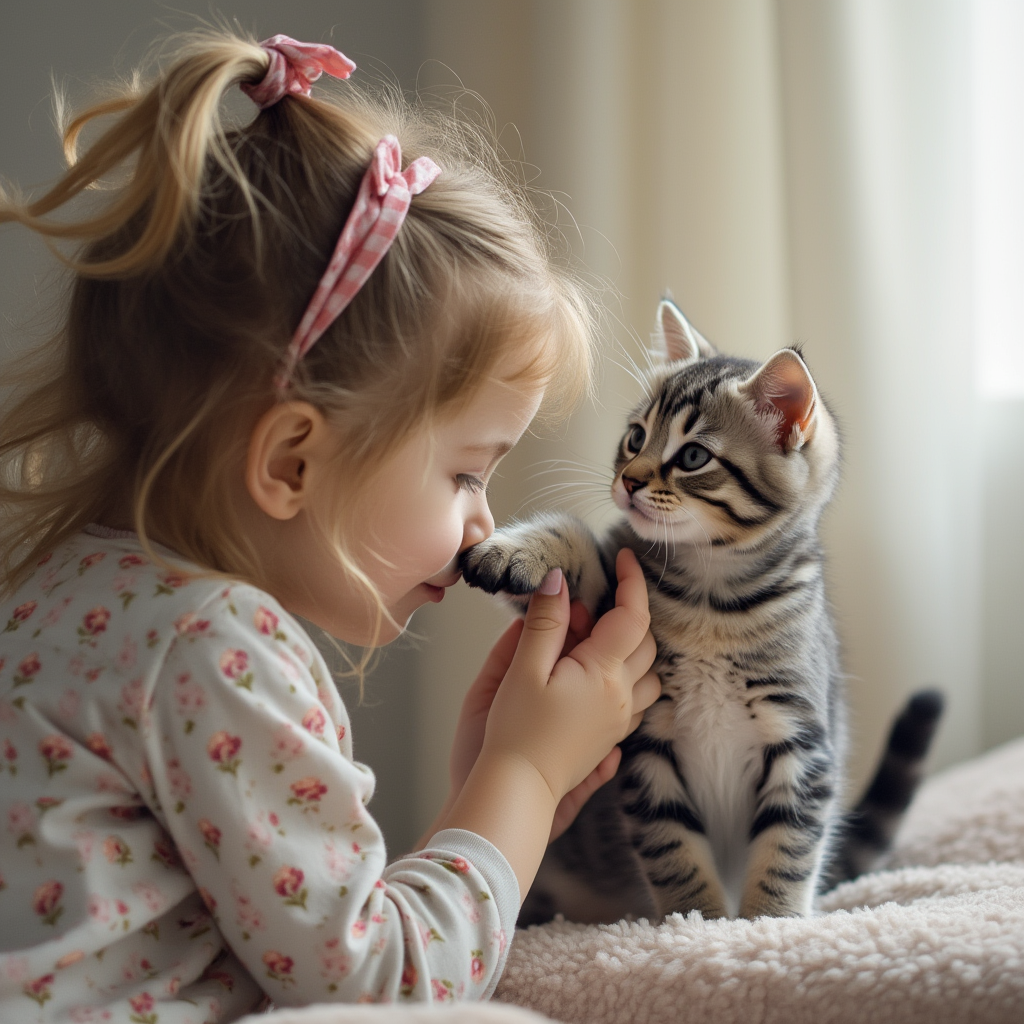
You might wonder why they’re so popular. It’s not just about those legs. These cats are famous for being affectionate and cute, with personalities as vibrant as their looks. Whether you see them playfully batting at toys or lounging adorably in the sun, they’re sure to melt your heart.

And yes, they’re recognized globally. While some traditionalists in the cat community might have their hesitations, Munchkin cats keep winning people over with their unique charm and plenty of online buzz.

The Birth of Their Short Legs: Munchkin Cats’ Genetics

The secret behind those adorable short legs lies in a genetic mutation. This mutation throws a little twist in the bone growth, which leads to the iconic short stature of Munchkin cats. Just like how humans get blue eyes or curly hair from their genes, Munchkins wear their short legs with pride thanks to their DNA.

Now, let’s tackle some myths. There’s a common belief that these cats are burdened with health problems due to their leg length, but that’s not really the case. While they might have some challenges climbing stairs like their long-legged pals, Munchkin cats generally enjoy good health and lead active lives.

Breeders play a crucial role in maintaining the well-being of these cats. Responsible breeding practices ensure that Munchkin cats enjoy good health, avoiding potential genetic pitfalls. Breeders often match cats carefully to prevent any health issues that could arise from inbreeding or improper genetic pairings.

Experts, including veterinarians and breeders, shed light on Munchkin genetics. They emphasize the importance of observing ethical practices while breeding them. This responsible handling ensures that Munchkins not only maintain their unique look but also live healthy, happy lives exploring their world.

Living with a Munchkin Cat: Characteristics and Care Tips

Munchkin cats are known for their playful and sociable nature. These little guys love interacting with people and tend to have an independent streak, just enough to keep things interesting. They’re curious explorers, often seen investigating every nook and cranny, making their presence known in the most entertaining ways.

Caring for a Munchkin cat involves some basics that every cat owner usually gets acquainted with. Think of feeding them a balanced diet, which is key to keeping them healthy. And don’t forget grooming—yes, even the shorties need their regular brush session to keep those coats in top condition.

Creating a home that keeps these cats entertained is part of the fun. Give them toys and spaces where they can scramble around safely. You’ll find that they enjoy a bit of a cat jungle gym setup, even with their shorter legs. It’s all about encouraging them to enjoy their agility and playful nature.

Hearing from Munchkin cat owners, they’ve got stories to tell. Many speak fondly of their cats’ loving companionship and quirky antics. These personal tales reveal how Munchkin cats bring heaps of joy and laughter into their homes, making them a popular choice among cat lovers.

Are Munchkin Cats the Right Pet for You?

Deciding on bringing a Munchkin cat into your life involves weighing a few factors. These energetic creatures bring a lot of joy, but it’s also about understanding their needs and fitting them into your day-to-day. Are you ready to meet the playful and social demands of a Munchkin? If so, you’re in for a treat with these fantastic felines.

Munchkin cats typically don’t cause unusual allergy issues, yet it’s always smart to check how your household might react. Some folks are more sensitive to cat dander, and knowing this beforehand helps in making the right call.

Owning a cat is a long-term commitment. Munchkins, like all pets, need your love and care, from regular vet visits to playtime. The effort is well worth it, considering the companionship and happiness they bring into your home.

And if you find yourself becoming a Munchkin aficionado, there’s a whole community out there to support you. Online forums and local cat groups are great for sharing experiences, getting tips, and connecting with fellow Munchkin lovers who share your passion for these delightful cats.

Brown Tabby Cat

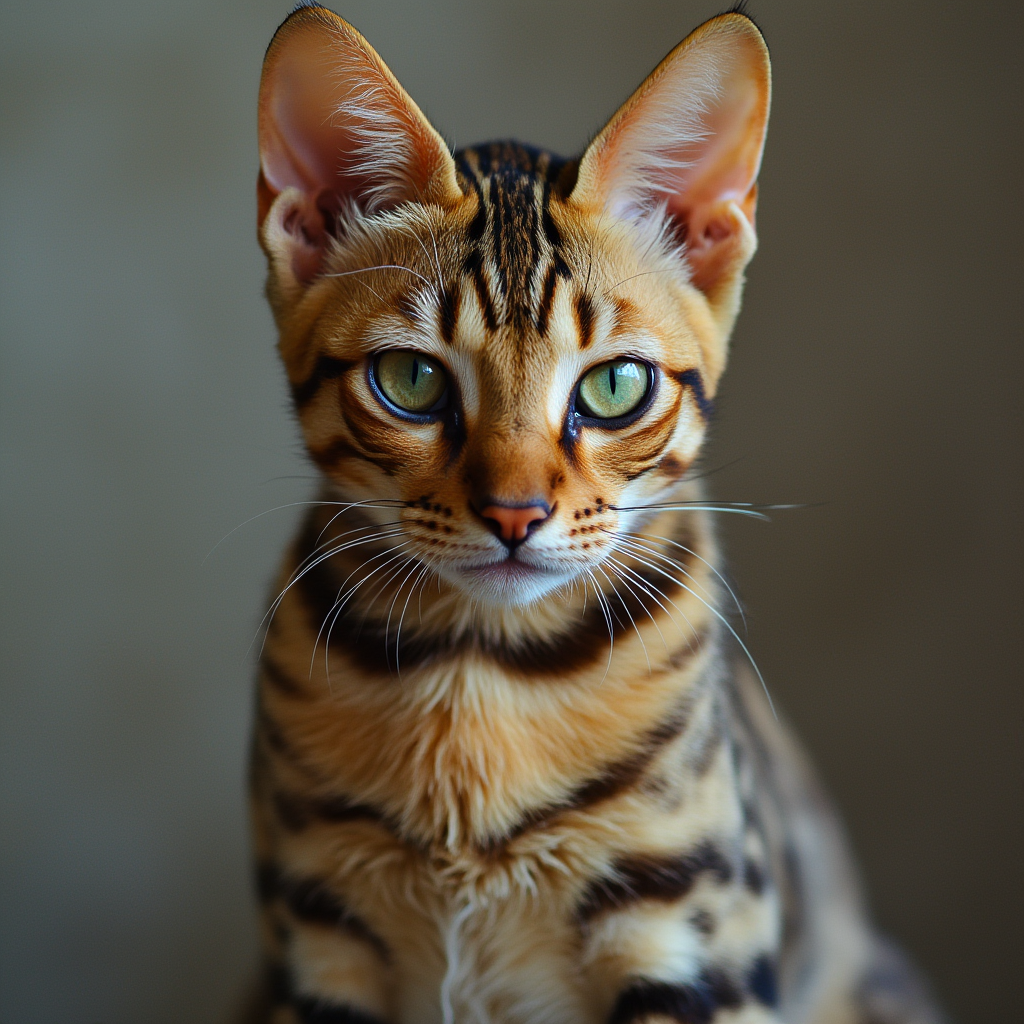
Brown tabby cats have a rich tapestry of history and genetics that spellbinds cat lovers. Originating mainly from domesticated wildcats in Africa and Asia, these feline beauties boast a lineage that’s as intriguing as their looks. Their classic tabby patterns aren’t just for show—they go way back to their wild ancestors, designed for natural camouflage. It’s all about that perfect blend of functionality and flair.

Patterns and colors are where brown tabbies really show their stuff. The swirl of stripes, dots, and rings decorate their coats in a mesmerizing display, creating a dazzling variety among the tabby ranks. Every cat walks in wearing its own unique style, leaning into either a mackerel, classic, spotted, or ticked pattern, turning heads wherever they go. The brown in their name often shines with golden hues, reminding you of warm sunsets.

Beyond their striking looks, brown tabbies have personalities that make them unforgettable. Known for being friendly and playful, these cats love a good adventure and are not shy about seeking attention. With their quick intelligence, they often surprise with clever tricks or a knack for getting into mischief. Prepare yourself for a lifetime of entertainment and companionship with these delightful creatures.

Caring for Your Brown Tabby Cat: Best Practices

Feeding your brown tabby might seem straightforward, but getting just the right nutrition is key. These cats are pretty active, so they need a diet rich in proteins and balanced with the right mix of fats and carbohydrates. Offering high-quality cat food, whether it’s wet, dry, or a combination, will keep them sprinting and pouncing in perfect form.

Grooming your tabby is essential for a coat that’s always ready to impress. Depending on how thick that fur is, brushing a couple of times a week usually does the trick. Besides keeping their coat nice and shiny, brushing also means you get to spot any of those pesky ticks or skin issues early.

A home that caters to a tabby’s curiosity and vigor will be one where they truly thrive. Creating a safe haven means thinking about vertical spaces for climbing, as well as plenty of toys to keep that brain ticking. Interactive play sessions also keep them sharp and help deepen the bond between you two.

Remember to keep hazards out of reach in their living space, as these cats will get into anything they find interesting. A little preventive care in ensuring your home is safe can give you peace of mind while meeting their innate needs to explore.

Health Considerations for Brown Tabby Cats

Keeping an eye on your brown tabby’s health ensures they live their best nine lives. While they’re generally robust cats, there are some conditions they’re prone to. Heart disease and dental issues can sneak up if not regularly checked. Any unusual behavior or visible discomfort is a signal to book a vet visit. Early diagnosis can mean simpler treatments, so don’t brush off any minor changes.

Regular check-ups with the vet are like tuning a finely crafted instrument, keeping everything in harmony. Scheduling annual or semi-annual visits helps spot any sneaky issues before they become bigger problems. A clean bill of health always means more purrs and playtime for both of you.

Vaccinations are like tiny shields for your cat, protecting them from a host of potential viruses and infections. Keeping up with a vaccination schedule ensures they’re armored against specific feline ailments. And remember, dental care doesn’t mean just checking for bad breath. Routine dental cleaning can prevent gum disease and preserve those pearly whites.

Maintaining a healthy weight isn’t just about looks; it’s key to your tabby’s long-term well-being. Obesity can lead to diabetes and arthritis, and it can sneak up if you’re not careful. Encouraging regular playtime and monitoring food intake helps keep weight in check. You never want to have a cat that struggles to jump on the couch!

Living with Brown Tabbies: Forming a Lifelong Bond

Establishing a strong bond with your tabby goes beyond basic care—it’s about creating shared moments that build trust and affection. Brown tabbies, with their curious and playful dispositions, thrive on engaging with their humans. Set aside time each day for activities they love, like interactive play or a cozy lap snuggle, to deepen your connection.

Understanding their communication style elevates your relationship. These cats have their own way of ‘talking’ to you with a variety of meows, trills, and purrs. By paying attention to their specific cues, like body language and vocalizations, you’ll start to ‘speak tabby’ and anticipate their needs more accurately.

It’s all about patience and presence in adapting to each other’s rhythms. Through time and shared experiences, your tabby will view you as their ultimate companion, someone they seek out for comfort and joy.

The companionship of a brown tabby isn’t just about having a pet. These cats are genuine members of the family, weaving their way into daily life with their playful antics and affectionate nature. The joy they bring is unmatched, offering both a source of entertainment and a soothing presence. Embracing their quirks and individuality leads to a fulfilling, lifelong friendship.

Domestic Shorthair Cat

The Domestic Shorthair cat has this rich tapestry of a story, tracing back from its wild beginnings to becoming one of the most adored pets in many homes today. These cats are kings and queens in various living rooms worldwide, and they’ve navigated quite the journey to claim their cozy thrones.

If you look at a Domestic Shorthair, you’ll notice they come in all shapes and sizes, rocking a variety of colors and patterns. It’s like each one decided to express themselves through fur fashion. Whether it’s the classic tabby stripes, solid colors, or even some wild spots, they each have their own unique runway-ready look.

Recognizing these cats isn’t just about their stunning coats. They’ve got strong bodies, a friendly demeanor, and those eyes that seem to know more about your day than you do. Unlike some fancy, uniform breeds, Domestic Shorthairs have a charm that lies in their individuality—a feline surprise box, if you will.

What’s cool about them is how they differ from other cat breeds. They’re not defined by an exact standard, which means every Domestic Shorthair comes packed with personality and can easily fit into different lifestyles. While some breeds might be known for specific quirks or needs, these cats are down-to-earth and versatile, making them the “people’s cat.”

Living with a Domestic Shorthair: A Delightful Experience

Domestic Shorthairs have this cool blend of independence and cuddle-craving that wins over just about anyone. They’re perfectly happy doing their own thing, but they love a good rub or chill session on the couch with you. It’s like they always know when you need a break and a little feline therapy.

When it comes to health, these cats are generally pretty sturdy. However, it’s wise to keep an eye out for any sneaky issues that might pop up. Regular vet check-ups, balanced nutrition, and a bit of playtime keep them in top-notch condition. And don’t forget, a healthy cat is a happy cat!

On top of all their adorable quirks and lovable traits, Domestic Shorthairs offer real emotional and mental health benefits. Snuggling up with them can soothe the soul after a long day, offering a purr-fect source of relaxation and happiness. These cats are more than just pets; they’re family.

Feeding them isn’t rocket science, just some good-quality cat food that suits their age and lifestyle. They’re not about that fancy lounge diet, but they do need meals that keep them energized for their next adventure around the house. Alongside that, a few daily bursts of play are perfect for burning off their intense curiosity and energy.

Training a Domestic Shorthair can be a fun adventure. They’re quick learners and love anything that keeps their brains ticking. Try puzzles, new tricks, or even simple games to push their smarts and keep those whiskers twitching with excitement.

The Bond Between Humans and the Domestic Shorthair

For families and individuals alike, Domestic Shorthairs are the ideal companions. Their easy-going nature makes them adaptable to almost any household. They can go from being a child’s playmate to an adult’s calming presence, bringing a sense of warmth and fun to daily life.

I love hearing stories from folks who share their lives with these wonderful cats. There are tales of laughter, comfort, and sometimes even silly antics that become cherished memories. It’s this shared journey of joy and companionship that stands out, strengthening the human-feline bond.

To ensure these bonds are strong, creating a loving environment is key. Safe spaces for climbing, cozy spots for naps, and enough toys to keep them engaged are essential. It’s about giving them a home where their inquisitive nature and playfulness flourish.

Amazon Associate creator receives compensation for qualifying purchases

Dog Fashion And Accessories

Dog fashion might seem like a new craze, but folks have been dressing up their pups for centuries. Think way back to ancient dynasties where nobles decked out their hounds as status symbols. Fast forward to the Victorian era, and fancy pet outfits were all the rage, showing off wealth and class.

Now, in our social media-driven world, dressing up dogs has found a whole new fan base. Share a cute pic of a dachshund in a dapper tuxedo or a golden retriever in a tutu, and watch those likes roll in. It’s become a big part of how we express ourselves and connect with others, one adorable outfit at a time.

But why do we really dress up our pooches? For some, it’s about pampering their furry friend. Others might see it as a way to bond, giving their dog a playful persona to share with family and friends. And yes, there’s a practical side too—keeping pups warm or protecting their paws.

Now, let’s talk bucks. The pet fashion industry isn’t just a niche; it’s booming with people spending serious cash on classy collars and chic canine coats. This market’s growing faster than a pup chasing a squirrel, and it’s transforming how we think about our pets’ place in our lives.

Types of Dog Apparel: From Practical to Posh

Dog wardrobes can be as varied as ours. One minute your pup needs a raincoat to stay dry, and the next, they’re strutting in a designer coat that cost more than your clothes. Clothing for dogs isn’t just about looks; it’s often about comfort and protection too.

Practical wear is key when the weather turns. Think of raincoats to keep fur dry or sweaters for small breeds that shiver when the temperature drops. UV-protective gear can be a lifesaver for breeds with thin coats or sensitive skin. These aren’t just fashion choices, they’re essentials for keeping your dog healthy and happy.

Then there’s the high fashion side—because why should humans have all the fun? From brands like Gucci creating dog-friendly lines to individualized couture outfits, some dog clothes are works of art. Sure, it’s a splurge, but there’s a thrill in knowing your pup is sporting something unique.

Cultural flairs add a layer of depth to dog fashion. In various parts of the world, traditional attire for pets reflects cultural heritage, blending tradition with modern flair. It’s a way of sharing cultural stories through canine companions.

And let’s not forget about sustainability. Just like in human fashion, there’s a growing demand for eco-friendly dog clothing. Brands are stepping up, using recycled materials and ethical production practices. It’s a win-win for the planet and your pooch.

Accessorizing Your Pooch: Beyond Basic Bling

Dog accessories are about way more than just flair. Essential gear like collars, harnesses, and leashes form the backbone of your pup’s wardrobe. These are your day-to-day essentials, ensuring safety on a stroll or in the park. Opt for durable materials and comfortable fits to make both you and your pup’s life easier.

For those looking to step up their fashion game, extras like bowties, bandanas, and hats let your dog make a style statement. These little touches can transform a look and are perfect for photo ops or just brightening up the neighborhood walk. Dive into vibrant patterns or classic styles—whichever suits your dog’s personality best.

Believe it or not, dog jewelry is a thing. From necklaces to charm bracelets, some owners love adding a bit of sparkle to their furry friend. But while those shiny gems catch the eye, make sure anything your dog wears is safe, avoiding small parts that could be swallowed or irritate their skin.

Personalizing accessories can really make them stand out. Whether it’s engraved tags with your dog’s name or custom colors, adding a personal touch speaks volumes. It’s about creating something uniquely theirs, and even a practical accessory can become a fashion statement with a bit of creativity.

Future Prospects: Innovating in a Pawsitive Direction

Dog fashion ain’t slowing down, and tech is where the action’s at. Smart collars and wearable tech gadgets are turning heads. These aren’t just for looks—imagine tracking your dog’s health, habits, and even location. It’s high-tech meets high-fashion, making life smoother for pet owners everywhere.

Eco-conscious trends are shaping the future too. With the environment in focus, brands are crafting sustainable options that don’t skimp on style. Materials like organic cotton and recycled fabrics are making waves. It’s a shift towards fashion that doesn’t harm the planet, keeping tails wagging for the long haul.

Inclusivity is a game changer, looking beyond the typical. We’re seeing designs tailored for differently-abled dogs and those in their golden years. It’s heartening to see fashion breaking barriers, ensuring all dogs can strut comfortably no matter their abilities.

Collaborations between pet brands and mainstream fashion houses are making headlines. These partnerships bring new styles and ideas into the market, blending everyday practicality with runway flair. They’re mixing it up and offering fresh designs that keep both the fashionistas and their furry counterparts eager for more.

Grain Free Dog Food Brands

Grain-free dog food is making waves among pet owners looking to give their pups a diet closer to what their wild ancestors might have eaten. So, what’s the real deal with going grain-free? Essentially, it means this type of dog food skips grains like wheat, corn, and rice in favor of other ingredients. Instead, you might find sweet potatoes, peas, or lentils taking up the space where grains would usually be.

Pet parents are increasingly swapping out traditional kibble for grain-free alternatives. A big reason for this shift is the belief that dogs will thrive without grains enjoying better digestion, shinier coats, or even fewer allergies. Quality ingredients play a pivotal role here; it’s not just about cutting out grains but ensuring everything else in the bowl is top-notch too.

There’s a lot of chatter around grain-free diets, with some saying it’s the holy grail and others waving caution flags. It’s important to separate fact from fiction. While some dogs do great on these diets, not every pooch needs to ditch grains. Your best bet? Focus on the ingredient list, and look for real meat, veggies, and minimal fillers.

Diving into grain-free isn’t just about following a trend. It’s a thoughtful decision to try and offer your dog the best nutrition possible. By understanding what grain-free entails, you can make informed choices that work for your furry friend’s unique needs.

Top Grain-Free Dog Food Brands: A Comparative Analysis

When it comes to picking the right grain-free dog food, there are a few big names that have gained a reputation among pet owners. Brands like Blue Buffalo, Merrick, and Wellness Core often pop up in discussions about quality dog food. These companies have built their standing on ingredient quality and balanced nutrition, catering to customers with specific dietary preferences for their pets.

Blue Buffalo is well-known for using real meat as the first ingredient, along with fruits and veggies that ensure your dog gets the necessary vitamins and minerals. Others, like Merrick, also boast a high-quality protein lineup, often combined with unique superfoods that keep those tails wagging happily. Meanwhile, Wellness Core focuses on providing meals packed with nutrients minus the grains, aiming for a truly wholesome approach.

Customer reviews play a huge part in these brands’ popularity. Blue Buffalo consistently gets shout-outs for its taste and health benefits, while Merrick’s varied recipes often earn praise for their palatability, especially among picky eaters. Wellness Core tends to get the nod for its emphasis on protein-rich diets that fit active dogs.

Of course, there’s the matter of price and availability. Some of these premium brands may require a bit more investment, but many pet owners find that the benefits outweigh the cost. Availability also varies, with some options easier to find at major retailers or online, while others might require a special order from your local pet store.

Choosing among these top brands involves balancing your budget with your pet’s health needs and preferences. A close look at the ingredient list and focusing on your dog’s specific requirements can help you make a choice that best suits your loyal companion.

Health Benefits and Risks: Tailoring Grain-Free Diets to Your Dog’s Needs

Grain-free diets might sound appealing, but the real question is: what’s in it for your dog? For some pups, cutting out grains means better digestion and less bloating. Others may experience improved skin and coat health, which can be a game-changer for those prone to allergies.

However, not everything is as straightforward as it seems. While some dogs do thrive on a diet without grains, others might not see the same benefits. Recent discussions in the pet world have raised concerns about the potential connection between some grain-free foods and heart health issues in dogs. It’s crucial to stay informed and weigh the pros and cons carefully.

How can you tell if grain-free is right for your furry pal? Observing any food allergies or sensitivities is a good start. If your dog tends to scratch or show digestive upsets after meals, a switch might be worth considering. On the flip side, if they’re thriving on their current diet, sticking to that could be just fine.

Veterinarians and pet nutritionists can offer solid advice tailored to your dog’s specific needs. They can help navigate the intricate world of pet nutrition and ensure your buddy is getting everything they need to stay active and healthy. Balancing benefits and potential risks requires a personalized approach tailored to your dog’s lifestyle, health, and preferences.

Tips for Choosing the Right Grain-Free Brand for Your Furry Friend

Picking the right grain-free food for your dog doesn’t have to be overwhelming. First off, know what your dog needs. The diet for a small, couch-loving pup might differ from that of a high-energy breed. Identify your pet’s specific nutritional needs by considering their size, breed, and activity level.

Labels can be tricky, but they’re the key to understanding what you’re actually feeding your friend. Check out the ingredient list and look for real, recognizable foods. Avoid unnecessary fillers and additives that don’t offer nutritional value. The first-listed ingredient should ideally be a quality protein source, like chicken or beef.

Switching diets? Do it gradually to avoid any tummy troubles. Start by mixing a small amount of the new food with the old, gradually increasing the new food over a week or so. This gradual transition helps your dog’s digestive system adjust without causing discomfort.

Never underestimate the power of professional advice. Before making significant changes to your dog’s diet, consulting with a vet is wise. They can provide insights into the appropriateness of a grain-free diet for your dog based on health history and current needs. This guidance ensures that the switch supports your dog’s wellbeing optimally.

Hummingbird Feeders And Accessories

Hummingbirds are pretty fascinating little creatures, zipping around with their iridescent feathers and high-speed wings. They seem almost like little garden jewels. One thing that draws them in is the promise of a tasty treat, and that’s where feeders come into play. These nifty devices mimic the flowers they love but offer an unlimited supply of sweet nectar. So, what’s not to love, right? They don’t just attract these tiny birds for a quick snack, but for a little show of aerial acrobatics as well.

Feeding hummingbirds isn’t just about providing a snack. There’s a bunch of benefits to it, for you and the birds. Watching hummingbirds is kind of meditative, like nature’s own stress relief app. And for the birds, feeders can be a life-saver, especially when natural food sources are running low. These tiny creatures need a lot of energy to fuel their high-speed lifestyles, and you’re helping them out, simple as that.

And lastly, avoid those chemically enhanced garden treatments. Pesticides can do more harm than good, not just to hummingbirds but to other useful pollinators. Stick with bird-friendly methods to keep your garden buzzing with life.

Hummingbird feeders have been around for longer than you might think. Once upon a time, they were just simple glass tubes, but they’ve become a bit more sophisticated now. From different designs to materials, there’s a whole buffet of options. Over the years, these feeders have evolved, adapting to the needs of both the birds and us observers, making it easier to appreciate these flying marvels.

Now, about the ecological impact. Some folks might think feeding wild birds messes with nature’s balance, but when done right, it can actually give hummingbird populations a real boost. It’s kinda like a support system during rough patches when flowers are scarce. Just be sure to keep the feeders clean to prevent any unwanted side effects like disease spread. It’s a simple way to make sure our feathered friends stay healthy and happy.

Choosing the Right Hummingbird Feeder for Your Backyard

Finding the perfect hummingbird feeder should be as easy as picking your favorite ice cream. There are a few types to choose from, each with its own perks that cater to different needs, both yours and the birds’. You’ve got your classic gravity-fed bottle feeders and the dish-style ones. The first is great for hanging in almost any spot, while the latter’s perfect if you’re worried about tipping or cleaning issues.

When picking a feeder, think about how it fits into your backyard vibe. Is your outdoor space cozy and compact or sprawling and sunny? Some feeders are designed to hang off hooks, while others can stick right onto a window for a close-up view. If you’re worried about decor clashing, don’t be. With a range of colors and styles, there’s definitely a feeder that matches your taste.

Material matters too because it’ll affect how sturdy and easy to maintain your feeder is. Glass tends to be more durable and won’t discolor, but it can be heavier and a bit pricier. Plastic options might not last as long, but they’re lightweight and budget-friendly. You’ll also need to decide on size — larger feeders are great for attracting flocks, but smaller ones are easier to refill and clean.

Upkeep is the name of the game. A feeder that’s tricky to clean could end up doing more harm than good if it starts harboring mold. Look for models with wide openings or those that come apart easily. Keeping the feeder clean ensures that the nectar stays fresh, and your hummingbird guests will keep coming back for more.

Essential Accessories to Enhance Your Hummingbird Feeding Experience

Once you’ve got your hummingbird feeder up and running, it’s time to think about accessories. These little extras can really amp up your birdwatching game. Things like ant moats and bee guards are game-changers. They keep those pesky insects away from the nectar, ensuring only the hummingbirds get the goodies.

Feeder stands come in handy if you’re looking to hang your feeders in a specific spot. They let you put the feeder exactly where you want it without any trouble of finding the perfect tree branch or post.

Window mounts are all about bringing the action closer. If you’re keen on watching hummingbirds up-close, a window mount turns your kitchen view into a live nature show. It’s like TV, but way cooler.

Perches aren’t just a resting spot for hummingbirds, they also give them a chance to come down from their constant flutter. Some feeders come with built-in perches, but you can always add one to your existing setup. It can make for better photo-ops too.

Sun shades help keep the nectar cool and fresh. They can be part of the feeder design or added separately. Cooler nectar means happier birds, and less frequent changes for you. Win-win!

Providing the Perfect Environment for Hummingbirds: Tips and Tricks

To create a hummingbird haven, think about planting a variety of flowers that these little guys love. Red, tubular blooms like trumpet vines or bee balms are a hit, and they look great in any garden. Mixing feeders with these natural food sources makes your space even more attractive to hummingbirds.

When it comes to placement, the way you arrange your feeders and plants can make a world of difference. Hummingbirds are a bit territorial, so spreading out feeders helps avoid any little scuffles over nectar rights. You’ll get to see more of them in action without them feeling cramped.

Feeding hummingbirds isn’t just a seasonal thing; it’s a commitment. Changing and cleaning the nectar regularly is key. Swap it out every few days, especially in warm weather to keep it fresh and safe.

When it comes to observing these little wonders, patience is your best tool. Sit back and enjoy the show without getting too close or interfering with their feeding. A pair of binoculars might grow your appreciation for their iridescent colors and aerobatic moves.

Amazon Associate creator may receive compensation for qualified purchases

Amazing Hummingbirds

Hummingbirds are some of the most fascinating creatures fluttering around our gardens and wild spaces. From their jewel-like colors to the distinctive humming sound created by their rapid wing beats, they captivate anyone lucky enough to catch a glimpse.

There are over 300 species of hummingbirds, each with its unique traits and adaptations. These birds thrive in a variety of habitats, from deep tropical forests to lush gardens. Whether it’s the vibrant Ruby-throated hummingbird in North America or the dazzling Sword-billed hummingbird of the Andes, these birds are a delight to spot.

It’s amazing how these little birds punch above their weight in terms of ecological impact. They’re not just pretty visitors; they’re essential pollinators for many flowering plants. You might not realize it, but without them, a whole host of flora would struggle to survive. Their buzzing visits help maintain healthy ecosystems, keeping the circle of life going strong.

The Astonishing Physical Capabilities of Hummingbirds

Hummingbirds have some seriously jaw-dropping physical features that set them apart from other birds. These feathered wonders are built for high-speed maneuvering and efficiency, driven by nature’s need for survival.

Their wings are crafted for rapid flapping, allowing them to hover in place with ease. You’d be amazed at how they can zip up, down, backward, and sideways, all while sipping nectar on the fly. This unique flight ability doesn’t just make them incredible to watch but is essential for accessing food in all the right spots.

Speedy and efficient, these birds have an insanely high metabolism, beating heart rates that can reach over 1,200 beats per minute. Imagine needing to fuel that energy-packed lifestyle! They must feed multiple times a day, hitting flowers across wide areas to keep their energy levels up.

Their feeding mechanics are equally impressive. Using their long, specialized bills and extendable tongues, they slurp up nectar with grace and precision. Talk about eating on the go! With a diet so specialized, their role in pollination becomes even more critical, ensuring their constant need for fuel also boosts plant health.

The Ecological Importance and Conservation of Hummingbirds

Hummingbirds might be tiny, but they have a massive role to play when it comes to keeping ecosystems thriving. Their knack for pollination makes them vital for many flowering plants. By moving pollen from one bloom to another as they go about their day, they help plants reproduce and diversify, bringing life to forests and gardens alike.

This ecological balance isn’t without its challenges. Habitat loss and climate change are putting serious pressure on these birds. As forests shrink and temperatures soar, the places hummingbirds call home are disappearing fast. The impact isn’t just felt by the birds but by the plants relying on them, creating a ripple effect throughout the ecosystem.

Saving hummingbirds requires all hands on deck. Conservation efforts are happening on both local and global fronts, with initiatives focused on habitat restoration and education. Everyone has a part to play, from supporting local conservation groups to planting native flowers that provide food and shelter, even the smallest efforts can make a big difference for these vibrant creatures.

As stewards of our environment, we hold the power to help maintain hummingbird populations. By understanding their importance and the threats they face, we can contribute to their preservation. Whether through education, advocacy, or direct action, every contribution counts toward a healthier planet where hummingbirds continue to enchant.

Embracing Hummingbirds: How You Can Connect with Nature

Hummingbirds offer a unique opportunity to bring a bit of nature right to your window or backyard. Crafting a space that welcomes these flying gems can be rewarding and surprisingly easy. Including native plants that produce the nectar they’re after is key. Think colorful blossoms like trumpet vine or bee balm, which are sure to attract a hungry hummingbird or two.

Bird feeders can also be a great addition. Just be sure to use a simple mix of sugar and water, avoiding food coloring and opting for frequent cleaning. This not only helps hummingbirds find a reliable food source but also gives you a front-row seat to their fascinating antics as they flit about.

For those looking to capture the moment, patience and respect are your best allies. Keep a respectful distance and let their natural behavior shine without interruption. Photography can be a window into their world, revealing details that the naked eye might miss in the blink of an eye.

Hummingbirds have long held symbolic significance in various cultures. From embodying the spirit of resilience and joy in Native American folklore to being seen as messengers of prosperity in various traditions, they captivate our imaginations and remind us of the small wonders surrounding us. Connecting with these stories and sharing them keeps the legend of hummingbirds alive in our daily lives.