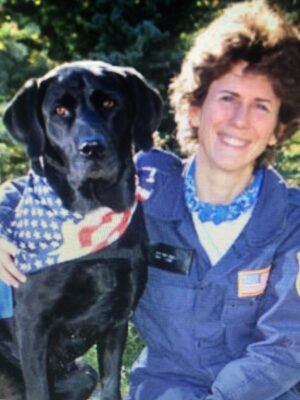
When disaster strikes and chaos unfolds, search and rescue dogs often emerge as silent heroes. These amazing animals have been saving lives and assisting in emergencies for centuries. History tells us stories dating back to the 17th century when St. Bernard dogs in Switzerland famously began aiding avalanche victims.
Search and rescue dogs are more than just one-trick ponies. They participate in various missions, each requiring unique skills. Urban rescues deal with collapsed buildings, wilderness operations focus on missing hikers or campers, disaster searches often occur post-earthquake or flood, and water rescues provide critical help in finding those lost around water bodies.
These canine heroes aren’t just about muscles and speed. They’re about vital partnerships with their handlers. The bond they share ensures quick and efficient communication during rescues. Handlers know every bark and signal, directing their furry partners to sniff out trouble.
Every response operation showcases their crucial roles. Whether it’s finding lost children or helping in huge disaster relief efforts, their contributions are invaluable. Not only do they bring efficiency, but they also infuse hope and optimism for those waiting for miracles amidst the debris.
Training and Expertise: The Journey of a Search and Rescue Dog
Becoming a search and rescue dog isn’t a walk in the park. The training process is intensive, often taking 600 to 1000 hours. From basic obedience skills to advanced scent detection, every step is crucial. These dogs learn to focus their remarkable senses into life-saving techniques.
Not all dogs make the cut. Trainers often choose based on breed and temperament. Border Collies, German Shepherds, and Labrador Retrievers are popular choices due to their drive, intelligence, and work ethic. The right pooch has both the physical stamina and the mental resilience needed for the job.
A handler isn’t just a figure at the end of the leash. They mentor, guide, and build an unshakable trust with their canine partners. This bond is a cornerstone of success, as effective communication often happens through subtle cues and shared understanding.
Each skill learned during training has its own purpose. Dogs practice tracking scents, navigating rough terrain, and responding to commands in stressful environments. It’s a marathon of patience and learning, with both handler and dog growing together.
For aspiring handlers, patience and dedication are key. Training requires commitment, but the reward is a truly exceptional partnership capable of making a real impact. It’s not just about teaching; it’s about understanding and working with a companion whose loyalty is unmatched.
The Science of the Sniffer: How a Dog’s Nose Outperforms Technology
The average dog’s nose is a marvel of nature. It’s packed with millions of olfactory receptors, far surpassing anything found in human or even most tech gadgets. This biological edge allows them to detect and differentiate a wide array of scents, making them indispensable in search efforts.
Ever hear about the feats of dogs like Trakr, who helped find survivors in the aftermath of 9/11, or Frida, the rescue dog who saved lives in Mexico’s earthquakes? These real-life examples highlight the unmatched capability of these four-legged detectives.
Even with all our advanced technology, nothing quite matches the efficiency of a dog’s nose. While infrared cameras and drones assist, dogs smell their way through disasters with unwavering precision, getting to places tech often can’t reach or interpret quickly.
Their work doesn’t come without challenges. Weather changes, terrain difficulties, and overwhelming noise can complicate searches. Yet, these dogs, with their handlers, adapt and strategize, using their instincts and training to get the job done.
Dogs and tech aren’t rivals; they’re allies. But the truth is, a dog’s unique sniffing capability continues to be a lifeline when time is ticking. The harmony between nature and tech is what really makes search and rescue operations successful.
Becoming a Paw-sitive Force: The Impact of Search and Rescue Dogs
The hard work and dedication of search and rescue dogs translate into impressive statistics. Their success rates in finding missing persons and aiding in disaster recovery efforts are a testament to their indispensable role in emergency response.
Beyond the numbers, these dogs provide emotional support and hope to survivors and their families. In moments of uncertainty and distress, the presence of a search dog can offer comfort and lift spirits like no other.
Communities play a crucial role in supporting these canine heroes. Whether it’s through fundraising for equipment, providing resources for training, or simply recognizing their efforts, every bit counts. Local shows and events where search teams demonstrate their skills help raise awareness and appreciation.
Looking ahead, advancements in training methods and tools continue to improve. Innovations such as scent-specific training and better simulation environments prepare dogs for even more complex operations. As we foster these developments, the legacy and effectiveness of these courageous companions will only grow.
For those considering involvement, whether it’s through volunteering, donations, or education, becoming part of this effort can be incredibly rewarding. The bond between humans and dogs in these intense situations showcases an incredible partnership where both parties rise to challenges and achieve the extraordinary.