
Hound dogs are more than just your average four-legged companions. They have a fascinating historical backdrop. These guys were the aristocrats of the canine world back in the day. They were bred for the hunt, used by nobility across Europe to chase game and retrieve it. Their origins can be traced way back, with some evidence even suggesting use in ancient Egypt and Mesopotamia.
What’s so special about hound dogs? For starters, their extraordinary sense of smell or sight. There are scent hounds, which are like the Sherlock Holmes of the dog universe, picking up any scent trail like a pro. Then there are sight hounds who can spot a moving target from miles away and will sprint faster than you’ve ever seen. Their sleek build and streamlined bodies make them natural-born chasers.
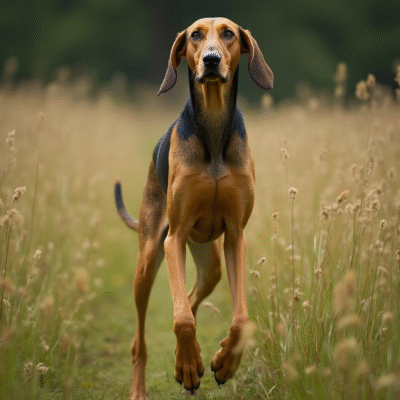
If you’re flipping through a kennel club’s guide to dog breeds, hound dogs stand out not just because of their talents but also due to their physical features. Those drooping ears and sleek, muscular bodies aren’t just for show—they play a vital role in amplifying their already-sharp senses. This makes them not only unique but particularly interesting. Each breed within the hound group has its own distinctive characteristics, making them a diverse lot that never fails to fascinate.
Exploring the Diversity: Types of Hound Dogs
Hound dogs come in all shapes and sizes, and understanding their diversity is like stepping into a world of canine wonder. There are two main types of hounds: scent hounds and sight hounds, and each has its own set of superpowers.
Scent hounds, like Bloodhounds and Beagles, are the noses on four legs. These dogs are pros when it comes to sniffing out a trail. Their impressive olfactory senses make them perfect for tasks like search and rescue. If you’re imagining a dog with its nose to the ground and a determined look in its eyes, you’re picturing a scent hound. They’re tireless in their pursuit and have been known to follow a trail for miles.
On the other hand, sight hounds like Greyhounds and Whippets are built for speed. These dogs have a sharp focus and a love for the chase. With their lean build and powerful legs, they can outpace most other dogs, easily reaching incredible speeds over short distances. They’re the sprinters of the dog world, and watching them in action is a sight to behold.
Each hound breed comes with its own personality quirks, adding to their charm. Some are more independent, while others might be clingy and crave your attention. Whether you’re charmed by a Beagle’s playful antics or a Greyhound’s calm, elegant demeanor, there’s always something unique about a hound that keeps people enamored with these breeds.
 Understanding Their Behavior and Needs
Hound dogs have some pretty unique behavioral traits that can pose challenges and surprises for new owners. Being natural-born hunters, they’re generally quite curious and love exploring their surroundings. This means they might sometimes get a bit too adventurous if they catch an interesting scent or spot something worth chasing. It’s essential to keep environments secure so they’re safe but also have the freedom to satisfy their instincts.
Exercise is key for these active pooches. Hound dogs love a good romp or a long walk. Providing plenty of opportunities for mental stimulation is just as crucial. Interactive toys, games, and sniffing challenges can keep their minds sharp and prevent boredom. These dogs are not the type to lounge around all day, even though they’ll happily cuddle once their energy is spent.
When it comes to nutrition, hound dogs are no different from other breeds in that a balanced diet is a must. However, because some hounds tend to be on the active side, ensuring they get enough protein and nutrients to fuel their adventures is important. Consulting a vet for tailored dietary advice will go a long way in maintaining their health and vitality.
A big part of understanding hounds is being prepared for their vocal nature. Many breeds within the hound category are known for their distinctive bays and howls. This isn’t just them talking; it’s part of their heritage. Training can help manage this to ensure the communication stays within a normal range rather than becoming a neighborhood concert.
Are Hound Dogs Right for You? Evaluating Compatibility
Deciding whether a hound dog fits your lifestyle needs some careful thought. These charming canines have a bundle of energy and strong instincts, often making them best suited to active individuals or families who love the outdoors. Whether you’re hitting the trails or playing fetch, these dogs are eager companions always ready for an adventure.
Training a hound dog requires patience and consistency due to their independent streak. They’re intelligent but may have their own ideas about what to focus on. Investing time in training and socializing your hound at an early age is crucial to harness their skills and manage their instincts effectively. This dedication goes a long way in ensuring a balanced relationship.
While hounds are bundles of joy, it’s important to weigh both the pros and cons before making a decision. They’re loving and loyal but might not be the ideal pet for everyone. Their need for exercise and mental stimulation means they thrive in a home where they can get plenty of both. However, if long work hours mean your dog needs to spend a lot of time alone, they could become unhappy and bored.
Understanding these needs helps in deciding if a hound is the right addition to your family. Cheers to the joy and companionship a hound dog can bring, but only if their special needs align well with your lifestyle. If you’re up for the commitment, a hound can be an incredible, fulfilling presence in your life.
I really enjoyed how this article dives into the distinct personalities and strengths of hound breeds—especially the contrast between scent and sight hounds. Their independence and drive make them both fascinating and challenging companions. If you have a hound, what’s been your most effective way to channel their instincts without curbing their spirit?
Hounds are one of my favorite dog breeds. They require much patience and consistency when training. Hounds can be very stubborn but they are very sensitive dogs. They need treats and praise. Hounds like plenty of room to play and run and sniff. Yes we have owned Beagles and they were great dogs. Thanks Much Kiersti