What Is Pet Insurance

Pet insurance works like a safety net for your pets, covering unexpected vet costs when things don’t go as planned. It’s like having a financial backup for your furry friends.

With pet insurance gaining popularity, more pet owners are jumping on board. These plans can really come in handy and save you some headaches during pet health emergencies.

Key phrases like ‘premium’, ‘deductible’, and ‘reimbursement’ often pop up in pet insurance policies. Understanding these terms helps in making informed choices that truly benefit both you and your pet.

Picture this: your dog swallows something it shouldn’t have, leading to a steep vet bill. Here, pet insurance could be the hero, easing the financial strain and letting you focus on your pet’s recovery.

Exploring the Benefits of Pet Insurance

Unexpected vet bills can put a serious dent in your wallet, but pet insurance steps in to cover such unforeseen events, saving you from financial stress.

There’s a peace of mind that comes with knowing you’re prepared for any health issues your pet might face. Pet insurance provides that safety blanket, ensuring that you and your pet can enjoy more and worry less.

These policies aren’t one-size-fits-all. You can tweak them to suit your needs, including optional add-ons for extra coverage. This flexibility helps cater specifically to your financial situation and your pet’s health.

Pet insurance supports responsible pet parenting by making healthcare accessible and affordable. You can focus on your pet’s well-being without sacrificing your financial security.

Types of Pet Insurance Plans Available

Pet insurance plans often start with accident-only coverage, which is handy for those unexpected mishaps but doesn’t cover routine check-ups.

Comprehensive coverage goes a step further by including both accidents and illnesses. This plan is usually recommended for pet owners seeking thorough protection.

There’s also the option to add wellness and routine care plans, covering stuff like vaccinations and regular check-ups, making it easier to manage ongoing pet health needs.

Comparing policies can feel like a maze, but focusing on key aspects like deductibles, premiums, and reimbursements can clear the confusion and help you make the right choice.

Choosing a plan isn’t just about today—it should fit your pet’s breed, age, and health status. Tailoring your selection to these factors maximizes benefits and support.

Navigating the Pet Insurance Claim Process

Submitting a claim involves a few steps but isn’t as daunting as it seems once you understand the process. Most companies ask for detailed info and receipts, so keeping an organized file helps.

Timing matters when it comes to claims. Being prompt can impact how fast you get reimbursed, so don’t delay after a vet visit.

Common mistakes like missing documents or incomplete forms can lead to delays. Double-checking your submission ensures a smoother process.

There’s nothing more uplifting than hearing how pet insurance has saved lives, allowing pets to receive quick and necessary treatment without financial hesitation.

Collaboration is key. Your vet’s detailed notes and a clear communication line between you and the insurer can make the claim process seamless.

Mobile Dog Grooming

Mobile dog grooming has become a booming industry, marking a significant shift from the conventional approach of visiting pet salons. Why is this trend catching on like wildfire? It all begins with pet services evolving to better fit our busy lifestyles. Mobile units, especially those spruced up for grooming, hit the streets bringing unparalleled ease straight to our doorsteps.

Picture this: instead of packing Fido into the car, driving through traffic, and navigating waiting rooms, a fully-equipped grooming van pulls up outside your home. That’s peak convenience right there, and it’s one huge reason folks are loving this service.

What’s driving this boom? Statistics show a noticeable uptick in mobile grooming services, reflecting broader trends in on-demand solutions. People are leaning more towards services that offer both flexibility and a personal touch. It’s like Uber, but for dog grooming.

And for those who are still skeptical, success stories abound. Take, for example, mobile grooming businesses that started small and have now expanded into multiple locations. These businesses are thriving, thanks to happy pets and even happier owners. It’s proof positive that this isn’t just a fad—it’s the future of pet grooming.

Benefits of Mobile Dog Grooming for Pets and Owners

Mobile dog grooming offers a whole new level of personalized attention, allowing groomers to focus entirely on your pet without the distractions of a busy salon. Pets enjoy being in familiar surroundings like their driveway or backyard, reducing anxiety and making the grooming experience much more relaxing for them.

Finally, other pet owners’ experiences are gold. Don’t skip reviews and testimonials—they’re like the word-of-mouth treasure trove of the grooming world. Check out what past clients have to say about their experience, the quality of service, and how their pets were treated. Happy clients often mean a happy pet, which is ultimately what you’re aiming for.

Ever notice how some dogs get cranky at the sight of a grooming salon? Mobile grooming eliminates the stresses of car rides and busy pet spaces. No more long wait times, no more unfamiliar smells or the unnerving sounds of multiple barking dogs. It’s an all-around calmer environment, leading to a happier grooming session for your furry friend.

And guess what? This isn’t just a win for your pets. As someone who juggles work, errands, and life in general, not having to carve out extra time to take your dog to the groomer is a major plus. The groomers coming to you means saving time and minimizing hustle. That peace of mind knowing you’re not spending half your day on one errand is priceless.

Now let’s talk dollars and cents. While mobile grooming might seem pricey at a glance, consider what you’re saving on travel costs and the convenience factor. With competitive rates that match many traditional salons, it can actually turn out to be a smart, cost-effective option, especially for busy pet owners. It’s all about getting the best value for your time and money.

What to Expect During a Mobile Dog Grooming Session

Mobile dog grooming isn’t just about style; it’s an entire experience tailored for both you and your pet. Walking into a mobile grooming session, you’ll first encounter a one-on-one consultation where the groomer gets to know your pup’s specific needs and preferences. This personalized attention ensures that every aspect of the service meets your expectations.

Diving into the session itself, it’s methodical and calming. The groomer goes through each step from brushing to bathing, ensuring your pet remains comfortable and at ease throughout. From using high-quality shampoos tailored for different skin types to gentle drying techniques, every piece of the puzzle is considered. Mobile salons are exceptionally well-equipped with everything needed right on board, from scented shampoos to pet-safe hair dryers.

Safety is another top priority. Mobile groomers are trained to handle pets carefully, using secure harnesses and pet-friendly equipment to avoid any risks. This close interaction allows groomers to notice any unusual signs like skin allergies or bumps right away, ensuring your pet’s health is monitored clearly and efficiently.

In every session, communication is key. You’ll receive insights into your pet’s coat condition, grooming options that suit their breed and lifestyle, and even some tips for at-home care to maintain that fresh look. By the end, you’ll not only have a cleaner, happier dog but also a few new tricks up your own sleeve for keeping them spiffy till the next appointment.

Choosing the Right Mobile Dog Grooming Service

Getting the perfect groomer isn’t just a luxury—it’s key to your pet’s health and happiness. But how do you narrow down your options with so many choices out there? First off, look for a groomer with solid experience and proper certification. A reputable groomer will proudly display their credentials and years in the business, giving you confidence in their skills and knowledge.

Before booking, make sure to ask the right questions. What kind of grooming products do they use? How do they handle anxious or aggressive dogs? What’s their procedure for emergencies? Clear answers to these questions will help you gauge their professionalism and readiness to handle any situation.

Keep an eye out for red flags too. Lack of communication, vague answers, or rushed interactions can be telltale signs of an untrustworthy groomer. If your instincts give off warning vibes, it’s wise to continue your search. A trustworthy groomer won’t hesitate to walk you through their process and address all your concerns.

Amazon Associate creator receives compensation for qualified purchases

Sheltie Dog

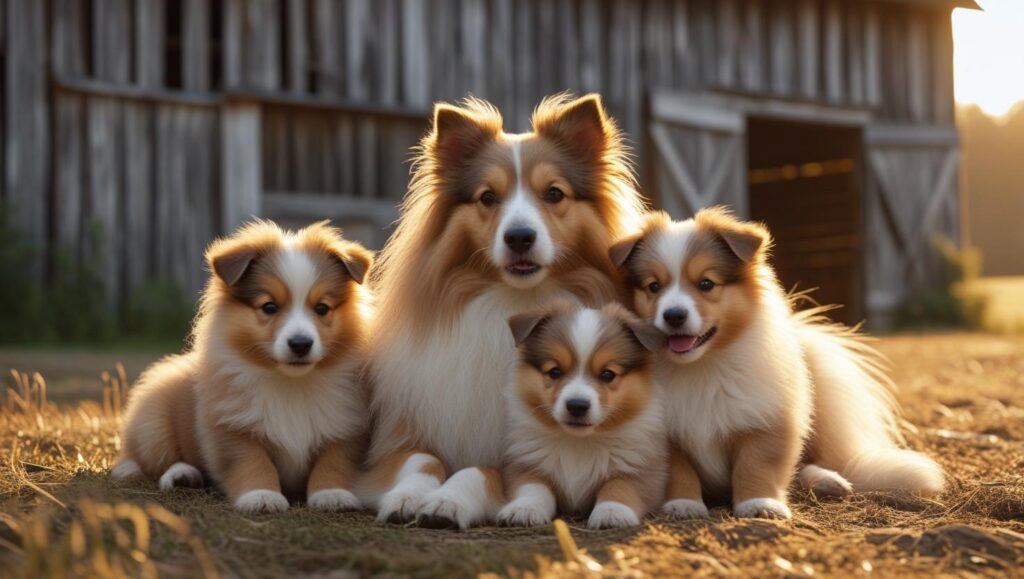
Ever wondered about the whimsical charm behind the Shetland Sheepdog, or as many fondly say, the Sheltie? This breed’s fascinating origins trace back to Scotland’s rugged Shetland Islands. Originally bred for herding, these little powerhouses are a compact bundle of intelligence and agility, ready to tackle any task with enthusiasm.

Let’s chat about how these cuties look. Known for their strikingly beautiful coat and expressive eyes, Shelties possess a certain elegance. With a luxurious double coat and their iconic mane, they boast a look that’s both regal and approachable. Their size is just right for plenty of couch cuddling without taking over your entire living room.

Personality-wise, Shelties are as loyal as it gets. Expect a playful yet sensitive friend who learns commands quickly, often seemingly reading your mind. Their eagerness to please makes them fantastic companions. They’re known to be a little barky, but that’s just part of their charm! They’re naturally curious and love to be engaged, both mentally and physically.

Caring for Your Sheltie: Essential Tips and Tricks

Taking care of a Sheltie can be a delightful journey. For starters, let’s talk about chow time. Shelties thrive on a balanced diet rich in proteins, fibers, and all the good stuff to keep that lively spirit energized. Think quality dry food mixed with occasional fresh treats, but watch those portions to keep them from getting chubby.

Ultimately, Shelties are more than just pets—they’re joyful additions to both both everyday life and special family moments. Their ability to read human emotions makes them not just animals but treasured family members who quickly work their way into the heart of every household member.

Now, onto their fabulous coat. Regular grooming isn’t just for looks; it’s essential for their well-being. Shelties have a double coat that needs a brush a couple of times a week—especially during shedding seasons. Invest in a good brush and enjoy those grooming sessions; it’s a great way to bond with your furry friend.

Enough nap talk; these pups need playtime! Shelties are energetic little creatures that love their exercise. Daily walks and play sessions help keep them fit and happy. Ever tried a fun agility course? Shelties excel in those!

Shelties are happiest when surrounded by family. They’re not big fans of being left alone for long periods. Try involving them in your daily activities and watch how quickly they become indispensable members of your squad.

Health Concerns and Preventive Measures

When it comes to keeping your Sheltie in tip-top shape, being proactive about their health is key. These energetic pups can sometimes face health challenges, so it’s essential to stay informed about common issues. They’re prone to conditions like hip dysplasia, thyroid problems, and certain eye disorders. Having a good relationship with your vet can make a world of difference in catching these early.

Preventive care is your best friend. Regular vaccinations and routine check-ups help keep your Sheltie’s health on track and prevent complications down the line. Keeping an eye out for any changes in behavior or appearance can also alert you to any underlying issues quickly. Monthly health checks at home—like checking their ears, teeth, and coat—are great for catching problems before they start.

Ensuring your pup’s long and healthy life is more than just dealing with problems as they arise. Invest in preventive measures like a balanced diet and regular exercise, not just for physical health but for mental stimulation too. And hey, just like us, they benefit from some belly rubs and positive reinforcement too—it’s all part of their holistic care.

Training Your Sheltie: Building a Strong Bond

Training a Sheltie isn’t just about teaching tricks—it’s crafting a lifelong partnership. These smart cookies love to learn, and starting with basic commands like sit, stay, and come, sets a strong foundation. Consistency is your best buddy here, ensuring your Sheltie knows who’s boss, while praising them with delicious treats and plenty of affection.

Socialization is crucial to prevent any anxiety or nervous behavior. Introducing your Sheltie to various environments, new faces, and even different pets early on helps them grow into well-rounded companions. Look out for obedience classes or local doggy meet-ups—great places to start and learn together.

Venturing into advanced obedience can be rewarding beyond your expectations. Shelties are naturals at agility, rally, and even herding trials. Engaging them in these activities not only sharpens their skills but also reinforces your bond. Remember, patience is key, and celebrating small victories makes training a fun adventure for both you and your furry friend!

The Sheltie Advantage: Why They Are Family Favorites

Bringing a Sheltie into your home means welcoming a loyal companion who truly becomes part of the family. Known for their affectionate nature, these dogs are masters at forming strong, emotional bonds with their humans. Ever come home after a long day and just needed a warm welcome? Your Sheltie has got you covered!

Families with kids will find Shelties to be playful, gentle, and endlessly patient. They’re fantastic around children, often becoming protective and attentive friends. Plus, with other pets, Shelties usually adapt well, thanks to their natural herding instincts and social temperament.

Choosing the right Sheltie involves considering if their energy level and grooming needs fit your lifestyle. Whether you’re adopting from a shelter or a reputable breeder, look for those telling signs of health and disposition. Dive into some research and maybe get involved with Sheltie communities for the best tips and tricks.

Amazon Associate creator receives compensation for qualified purchases

Shop Amazon

Wealthy Affiliate

How To Train A Puppy Not To Bite

Puppies are cute little bundles of energy and curiosity. Their biting behavior often stems from natural instincts and a need to explore their environment. Understanding the reasons behind this behavior is key to addressing it effectively.

It’s important to know that puppies bite as part of their teething process. Their little jaws are developing, and biting helps alleviate the discomfort just like babies chewing on teething rings. This type of biting isn’t aggressive; it’s a natural part of growing up.

Playful biting is common among puppies, especially during playtime. They might see their human companions as playmates, and nipping is their way of interacting. However, distinguishing such playful nips from potentially aggressive biting is essential.

A significant influence on whether a puppy bites more or less is their socialization. Puppies need to learn how to interact with people and other animals, and effective socialization reduces anxiety and the likelihood of defensive biting. Ensuring a puppy is comfortable in various settings helps diminish unnecessary biting.

Techniques to Discourage Biting

Stopping your puppy from biting isn’t as daunting as it seems when you arm yourself with positive reinforcement training. Ensuring your puppy knows when they’ve crossed a line can make all the difference. When your cute little fuzzball gets a bit nippy, calmly and firmly say, ‘No bite,’ and offer them a toy instead. Replacing your fingers with a chew-friendly option teaches what’s acceptable to gnaw on.

Training’s all about consistency. Make sure every family member uses the same commands and strategies so your puppy doesn’t get mixed signals. It helps them learn faster and keeps confusion at bay.

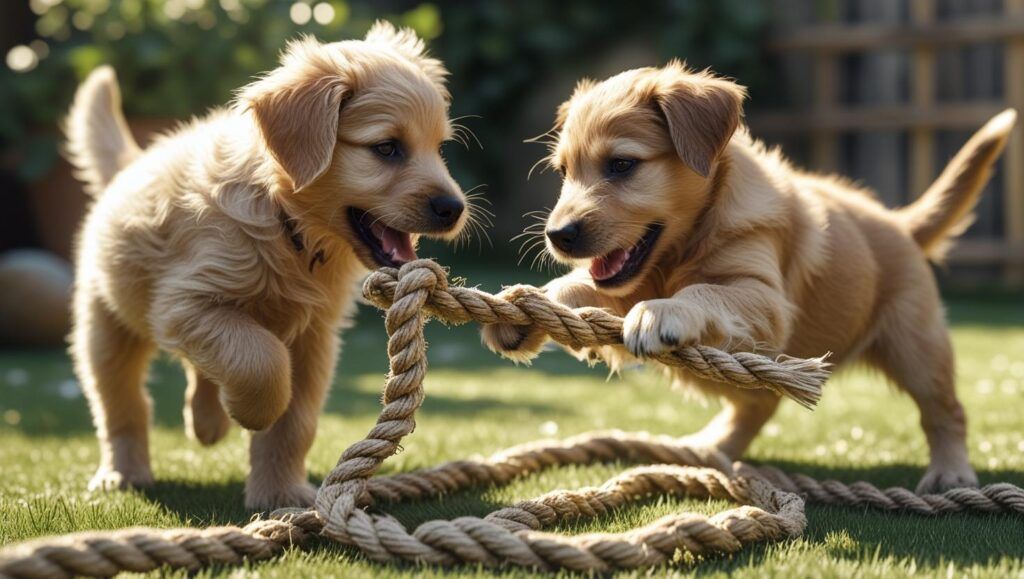
Interactive toys can be your best buddies here. Choose chew toys and puzzle games that keep your puppy engaged and busy. These toys don’t just satisfy their urge to bite but also mentally stimulate them, a win-win in every way.

Consider the environment too. Ensure your space is set up to support this training. Puppy-proofing your surroundings by removing easily chewable items or anything with tempting textures can redirect their attention to the right kind of biting targets.

Creating a Safe and Supportive Environment

Crafting an ideal setting for your puppy can set the stage for successful behavior training. Less clutter means fewer chances for your puppy to get into mischief or develop unwanted habits.

Consider investing in helpful tools like baby gates or playpens to keep your pup’s play space safe and contained. This allows them to play freely without you worrying about their safety or them munching on forbidden objects.

Establishing boundaries is crucial. Structure playtime so your puppy understands when it’s time for fun and when it’s time to chill. Consistent routines help them feel secure and reinforce positive behavior.

Encouraging gentle play can build a strong bond between you and your pup, reducing anxiety-driven biting. When they’re having fun and feel loved, puppies are less prone to act out.

Beyond just managing play, stepping up as a calm and steady leader helps build trust. Your pup looks to you for guidance, and when they feel supported, they’re more likely to follow your lead.

Long-term Strategies and Maintenance

Once your puppy has learned not to bite as a part of their initial training, it’s important to stick to those habits as they grow. Regularly checking in on their progress and fine-tuning your techniques can make a huge difference. Keep an eye out for any signs of regression, like more frequent nipping, and be ready to address them promptly.

If biting becomes persistent or hard to manage, don’t hesitate to reach out to a professional trainer or a behavior specialist. They can offer invaluable insight and tailored strategies for your specific pup’s needs.

Regular vet visits are equally crucial, ensuring your furry friend is in top health. Sometimes health issues can manifest as behavior changes including increased biting, so keeping up with check-ups helps safeguard against this.

Remember, you and your puppy are a team. As they grow, your relationship with them evolves too. Staying patient and adaptable, while consistently encouraging good behavior, paves the way for a happy, well-behaved dog.

Amazon Associate receives compensation for qualified purchases

Shop Amazon

Irish Setter Dog

The Irish Setter is more than just a pretty face in the world of dogs. With roots tracing back to Ireland, these beauties are known for their unmistakable red coats and boundless energy. They originally helped hunters by locating birds, but today, they’re adored as family companions thanks to their friendly and outgoing nature.

Standing tall with a graceful build, the Irish Setter has ears that flap like cheerful flags and eyes full of warmth and intelligence. They’re the life of the party with an unwavering zest for adventure. Families love them not just for their looks but for their affectionate and playful demeanor. In my experience, having one of these dogs around is like having a furry perpetual motion machine who never tires of a game of fetch.

Though they’re wonderful family pets, these dogs do come with a few maintenance needs. Regular grooming keeps their flowing locks looking their best. As for health, while generally hearty, like all breeds, they might face specific genetic challenges. Regular check-ups and a bit of TLC go a long way in keeping them happy and hale.

If you’re after a companion who’s energetic, affectionate, and always up for a romp in the park or a stroll on the trail, the Irish Setter might just be your perfect match. Trust in their loyalty, and you’ll find they more than earn their noble reputation.

The Joys of Hiking with Your Irish Setter

Hiking with an Irish Setter is like venturing into the wild with a buddy who brings unmatched enthusiasm to the adventure. Their energetic spirit makes them not only ideal hiking partners but also excellent motivators to get out and enjoy nature.

Physical activity is a huge plus for Irish Setters, and hitting the trails provides an excellent workout for them. Their endurance and energy mean they can handle longer treks without complaint while benefitting from the mental stimulation that new sights and smells bring.

These dogs are naturally curious and love exploring, which aligns perfectly with a good hike. Before setting out, it’s smart to gear up properly. Make sure your Setter’s been trained to obey commands for their safety and yours. Also, invest in some sturdy gear, like a solid harness and a leash that gives them enough freedom to explore but keeps them safe.

Consider the trail and weather conditions, too. Irish Setters can handle varying terrain, but being prepared for changes in the weather helps prevent any hiccups. Pack enough water, snacks, and a first aid kit to keep both of you hydrated, nourished, and ready for any unexpected turns.

At the end of the hike, you’ll find that you’re not just physically satisfied but also share a strengthened bond with your furry friend. Watching your Irish Setter revel in the great outdoors makes every step worthwhile.

Building a Bond: Our Personal Journey with Our Irish Setter

I still remember the first moment I laid eyes on my Irish Setter. Her coat glowed like the first rays of sunrise, and her gaze was a mix of curiosity and playfulness. Choosing her as our family dog was easy; it felt like she chose us just as much.

From the start, her unique personality shone through. Not only was she eager to please, but she also had a kind of mischief that kept us entertained and on our toes. Every day felt like a new adventure with her as she discovered the world, and we discovered more about her.

Hiking turned out to be our favorite shared interest. I noticed how our relationship transformed, growing deeper with each trail conquered. Her boundless joy on the trails mirrored my own, making every outing feel like more than just exercise. It was our time – a break from routine to engage and connect on a deeper level.

The trails gifted us countless memorable moments. I recall one time when she spotted a squirrel and took off like a streak of red lightning. She didn’t catch it, but her face full of joy and purpose was unforgettable. These moments, big and small, built our connection, cementing my belief that nothing beats sharing an adventure with an Irish Setter.

Caring for an Active Irish Setter

Owning an Irish Setter means embracing their energetic lifestyle, and their care keeps you moving just as much as they do. An active dog requires regular exercise, not just a quick walk around the block. Plan daily activities that challenge their bodies and minds, whether it’s chasing a ball, hiking, or a lively game of tug of war.

Keeping up with their energy demands goes hand-in-hand with a balanced diet. High-quality dog food, full of the right nutrients, supports their active lifestyle. In my experience, keeping meals consistent and tailored to their activity level helps maintain their health and vitality.

Once you’ve got their exercise and diet nailed down, grooming is the next big area of care. That gorgeous red coat requires attention. Regular brushing keeps it tangle-free and glossy, while routine baths help manage the lovely yet delicate hair. Don’t forget the ears and nails – they need regular checks and trims to prevent infections and discomfort.

And let’s talk about those vet visits. Regular check-ups are key to catching any health issues early, particularly common breeds’ ailments like hip dysplasia or allergies. Staying on top of vaccinations and consistent parasite prevention helps ensure many happy, tail-wagging years.

With the right care, an Irish Setter isn’t just a pet; they’re part of the family, ready for whatever life throws your way. Providing the best for them is both a joy and a rewarding responsibility.

Amazon Associate receives compensation for qualified purchases

Shop Amazon

Time to start a great new hobby or your own online business Wealthy Affiliate

Boston Terrier

Boston Terriers, often called the “American Gentleman” for their tuxedo coat and refined manners, actually have quite an intriguing backstory. It all started in the late 1800s, when folks in Boston, Massachusetts, began experimenting with breeding. The idea was to create a dog with the strength of a Bulldog and the charm and temperament of a Terrier.

Digging into their roots, the very first Boston Terrier was named Judge. He was a mix of the Bulldog and the now-extinct English White Terrier. These early dogs were bigger, but, through careful breeding, they became the compact, friendly companions we love today. In 1893, Boston Terriers made their grand entrance to the American Kennel Club, winning hearts nationwide.

Boston Terriers carry a unique badge of American pride. These little dogs have remained connected with their roots in Boston, contributing to their popularity as one of the most loved breeds in the U.S. Their history is peppered with appearances in cultural depictions that highlight their role as beloved pets, from painfully charming mascots to dignified dog-show darlings.

There’s lots to admire about the Boston Terrier’s journey from their bulldog beginnings to their Terrier temperament. It wasn’t just about improving their looks or behavior; it was about creating a breed that brought people together with its unique spirit and warmth. This bond between humans and Boston Terriers continues to thrive today, fittingly earning their place as a favored family pet.

The Unique Traits and Characteristics of Boston Terriers

There’s something undeniably classic about a Boston Terrier, right from their snappy tuxedo-like coat to their unyielding cheerfulness. They might be small, but they carry themselves with a certain swagger. The signature square head and compact build make them instantly recognizable, almost like they’ve been fit to a perfect blueprint of dainty elegance.

When it comes to personality, it’s hard to beat the Boston’s blend of friendliness and spunk. They’re known for being intelligent and, maybe a bit surprisingly, deeply caring. These little dogs are pretty in tune with their humans, always seeming to know when you need a smile or a snuggle after a tough day. Their enthusiasm for life is infectious, and they have a real knack for making folks fall head over heels for them.

Health-wise, most Boston Terriers are pretty robust. Like all purebreds, they have a few potential concerns—stuff like breathing issues due to their brachycephalic (that’s short-muzzled) faces. Keeping an eye on their weight and ensuring regular check-ups can nip many issues in the bud. It’s about staying proactive and understanding the quirks that come with their unique breed build.

Their quirky behaviors can be a source of endless entertainment, and maybe a bit of mischief. They’re known for their “zoomies,” those wild dashes around the living room that seem to come out of nowhere and end just as quickly. It’s all part of the package with these lively pooches. Understanding these traits not only deepens your bond but also makes day-to-day life a tad more delightful.

Caring for Your Boston Terrier: Tips and Best Practices

Keeping your Boston Terrier thriving starts with the right nutrition. These dogs might have small frames, but that doesn’t mean skimping on a balanced diet. Look for high-quality dog food that meets their size and energy needs. Avoid overfeeding, though, as Bostons can put on weight quickly. A little moderation in meals goes a long way.

Building a solid foundation with your Boston Terrier isn’t just about commands and obedience. It’s about nurturing a relationship founded on respect and understanding. Create an environment where your Boston feels at ease, unafraid to express their needs.

Exercise is key for keeping your Boston happy and healthy. Regular walks or playtime in the yard not only gives them physical activity but also some mental stimulation. These pups are curious and need different sights, sounds, and smells to stay engaged.

Grooming your Boston is pretty straightforward—and thankfully, not too laborious given their short coats. Regular brushing helps keep their coat shiny and cuts down on shedding. Don’t forget the basics like nail trimming and teeth cleaning; good hygiene practices nip problems in the bud.

It’s crucial to be vigilant about health issues. These dogs are generally healthy but can have those pesky breathing issues thanks to their short muzzles. Keeping an eye on their breathing and being cautious in extreme temperatures, both hot and cold, is wise. Know when something seems off and don’t hesitate to chat with your vet if concerns arise.

Building an Unbreakable Bond: Training and Engaging with Your Boston Terrier

Training a Boston Terrier can be quite the rewarding experience. These dogs are pretty smart, which makes them quick learners if you use the right approach. Positive reinforcement is the way to go—a treat here, a pat there. They respond well to consistency and praise, so it’s all about making it fun.

Engagement is just as important as training. Boston Terriers thrive when they’re mentally stimulated, so mix up the activities with puzzle toys and games. It’s not just about physical exercise; it’s about keeping their minds active too. These energetic balls of joy have a keen enthusiasm for learning new tricks, so don’t shy away from trying some advanced training methods.

Understanding your Boston’s communication cues can strengthen your relationship. They have a whole range of sounds—from snorts to grumbles—that can tell you a lot about their mood. Recognizing these signals and responding to them builds trust and deepens your connection.

Amazon Associate creator receives compensation for qualified purchases

Dog Care

Every dog out there has its own little quirks and needs just waiting to be understood. Recognizing these individual needs isn’t just a nice thing you do. It’s like the key to a happy and healthy relationship with your furry buddy.

Factors like breed, age, and health play a massive role in shaping what your dog needs day-to-day. A young, energetic Husky will require something totally different from a senior Chihuahua. It’s important to understand what makes your dog tick to keep them at their best.

Dogs, just like people, have distinct personalities too. Some are outgoing and always ready for playtime, while others might be a little shy and need more encouragement. Understanding these temperaments helps in building a trustworthy and solid bond.

Getting to know your dog’s needs doesn’t just mean you’re a more attentive owner. It’s also about establishing that bond of trust, the unspoken connection that makes your dog feel safe and loved. And trust me, that connection is priceless.

Providing Proper Nutrition for a Healthy Life

Keeping your dog well-fed with the right nutrients is a big deal. It’s not just about filling up the bowl; it’s about knowing what goes into those meals. Every dog needs a mix of proteins, fats, vitamins, and minerals to thrive.

Reading dog food labels might feel like decoding a secret message, but knowing what to look for makes picking the right food simpler. Look for whole ingredients, not fillers. Real meat rather than vague ‘meat by-products’ is a great start.

One of the best moves you can make as a dog owner is building a relationship with a good vet. Having someone you trust to turn to when questions or emergencies arise gives peace of mind. Plus, vets are full of great insights on keeping your dog healthy and happy.

Age and size matter when it comes to diet. Puppies slurp up food full of energy-boosting nutrients, while older dogs benefit from a diet tailored to their changing metabolism. Adult dogs, somewhere in the middle, still need a balanced blend to maintain energy and health.

What about treats? While they add to the fun of being a dog owner and help in training, they should still be healthy. Think of them like dessert; a small part of the diet, not the main course. Treats can actually contribute to overall nutrition when chosen wisely.

Exercise and Enrichment: Keeping Your Dog Happy

Regular exercise is key to keeping your dog’s tail wagging and spirits high. Different breeds have different energy levels, so it’s essential to match their needs. For instance, a border collie might need more intense activities compared to a more laid-back bulldog.

Engaging with your dog isn’t just about running laps in the yard. Mixing things up keeps it exciting! Try playing fetch, teaching new tricks, or setting up a fun obstacle course. Adding variety keeps them interested and burns off energy.

Mental stimulation is just as important as physical exercise. Consider puzzle toys or interactive games that challenge their brains. It’s so rewarding seeing the little wheels turn in their heads as they solve a problem.

Sometimes, exercising your dog can have its bumps along the way. Maybe there’s bad weather or your schedule is tight. On such days, utilizing indoor activities or hiring a dog walker can help to keep your dog active.

Health and Hygiene: A Foundation for Wellbeing

Health checks and vaccinations shouldn’t be overlooked when caring for your dog. Regular vet visits help catch potential issues early, keeping your pup in tip-top shape. Vaccinations play a vital role in warding off common diseases.

Keeping your dog clean is about more than just appearances. A good grooming routine, including regular baths and nail trims, keeps your dog comfortable and free from issues like skin irritations or infections.

Common health issues are something every dog owner will likely face. Learning to spot early signs of trouble, like changes in behavior or appetite, empowers you to act quickly. Prevention is a big part of this, like heartworm tablets and flea treatments.

Amazon Associate creator receives compensation for qualified purhases

Best Toys For Active Puppies

Puppies are like little bundles of energy, always on the move and ready to play. Understanding their unique needs can help ensure they’re happy and healthy. These young pups are not just cute—they’re growing fast and need activities that match their boundless enthusiasm. Toys aren’t just fun, they’re a vital part of their development, helping them learn skills and burn off that excess energy.

When we talk about puppy development, it’s not just about physical growth. It’s about mental exercise too. Toys play a crucial role here by providing an outlet for exploration and problem-solving. A simple toy can spark a puppy’s curiosity, encourage critical thinking, and even help with learning commands through interactive play.

The importance of toys goes beyond just keeping them busy, it’s about supporting healthy habits and preventing the kind of behavioral issues that can crop up in boredom. Experts consistently point out that appropriate toys can stave off undesirable behaviors like chewing up shoes or excessive barking. By giving them toys, you’re not just giving them entertainment; you’re assisting their overall well-being.

Picking the right toys is more than just choosing the cutest or cheapest option. It’s all about matching a toy’s function with the puppy’s current needs. And believe it or not, a well-chosen toy can be a game-changer! Experts highlight how toys can even help with training, providing positive reinforcement and helping those little pups learn how to interact properly with their human companions.

Top Toy Categories for Energetic Puppies

Puppies have a seemingly endless reserve of energy, which means they need the right toys to keep them engaged. Interactive toys are perfect for igniting their curiosity and keeping those little brains ticking. Think of puzzle toys or treat-dispensing gadgets that challenge their wits. They don’t just pass the time—they give puppies something to work on, developing their problem-solving skills.

Let’s not forget agility toys, which are fantastic for physical playtime. Agility equipment like tunnels or small obstacle courses can help improve their coordination and speed. These toys encourage an active lifestyle, ensuring puppies get the exercise they need without setting paws outdoors.

Chew toys are a must-have for any teething puppy. They’re not just for gnawing—these toys are lifesavers that help relieve the discomfort of teething, while also teaching them what’s okay to chew on and what’s not. Durable and made to withstand their powerful little jaws, they keep puppies occupied and out of trouble.

Professional trainers often advise observing how your puppy interacts with new toys. See which ones they gravitate towards, and take note if they’re showing wear and tear quicker than expected. Regularly replacing worn-out toys ensures safety and keeps playtime productive. Listen to the experts: a well-loved toy is great, but a safe toy is even better!

Experts in the field often recommend choosing toys based on their durability, safety, and suitability for a puppy’s age and size. Think age-appropriate toys that safely match their developmental stage. Toys that are too small can be dangerous, while those too large might discourage play altogether. Picking the right toy makes all the difference in leveling up your puppy’s playtime, ensuring safety and fun in equal measure.

How to Choose the Right Toy for Your Active Puppy

Choosing the perfect toy for your pup isn’t just a walk in the park. Safety first, right? Make sure the toy isn’t too small—choking hazards are a real concern. On the flip side, if it’s too big, your puppy might not know what to do with it, which means it might get ignored.

Materials matter too. Always opt for toys made from non-toxic materials. This way, you don’t have to worry about what happens when they start chewing away. Also, consider toys tailored to their specific age and development stage for optimal engagement.

Every puppy’s got their own unique quirks and preferences, so it’s worth mixing things up a bit. Rotating toys keeps playtime fresh and thrilling. Banish boredom by switching them out, giving your pup the joy of new “play pals” without buying new toys all the time.

Amazon Associate creator is compensated for qualified purchases

Shop Amazon

Best Natural Dog Foods For Sensitive Stomachs

Having a dog with a sensitive stomach can feel like a full-time job. Keeping our furry pals content and healthy means paying extra attention to what goes in their bowls. Natural dog foods can play a crucial role in managing these dietary needs.

When talking about natural dog foods, we’re looking at stuff that’s closer to what dogs might nibble on in the wild. These products usually skip the artificial additives and go easy on processing, focusing on pure and simple ingredients instead.

So why do some pups get an upset tummy at the drop of a hat? Common culprits are abrupt diet changes, certain proteins, or fillers that don’t get along with their digestive systems. The signs? Those can be anything from chronic diarrhea to gas that clears the room. I know, it’s a lot!

Here’s where choosing natural can be a game-changer. Unlike some commercial options that can bring more harm than good with their mystery chemicals, natural foods prioritize wholesome ingredients that are easier to digest and generally kinder on puppy bellies.

Top Natural Ingredients for Dogs with Sensitive Stomachs

When you’re scouting for the right food to ease your dog’s sensitive stomach, knowing your ingredients makes all the difference. Some proteins are just naturally easier on the tummy. Think of gentle meats like turkey, lamb, and fish. These are often less likely to trigger allergies and are digestible for many picky pups.

Grains can be another tipping point. Some sensitive dogs do well on limited grains like oatmeal—which can be quite soothing—while others thrive on grain-free diets. It’s a balance act and a bit of trial and error to see what sits well with your dog.

Probiotics and prebiotics deserve a special shoutout, as they help maintain that gut flora balance your dog needs. They’re like the unsung heroes regulating digestion, helping to ease discomfort and promoting a happy belly.

Let’s not forget those helpful natural anti-inflammatories. Foods like pumpkin and sweet potatoes aren’t just tasty—they’re packed with vitamins and have a track record of being gentle on doggy digestion. Adding these can sometimes be a quick win when your dog’s tummy is being finicky.

Selecting the Best Natural Dog Food: Tips and Recommendations

Navigating the sea of dog food options can get overwhelming. While it’s easy to get swept up by catchy labels, what matters is dissecting those food labels to truly understand what you’re feeding your furry friend. Look for whole ingredients upfront and avoid any unpronounceable chemicals lurking in the mix.

Based on feedback from the pros, zeroing in on reputable brands that cater specifically to sensitive stomachs can be reassuring. Brands that boast transparency about their sourcing and ingredient lists often lead the pack in terms of quality.

Before making any big changes in your dog’s diet, it’s wise to check in with your vet. They can help steer you through the options, ensuring your choice complements your dog’s health requirements.

When it’s time to switch things up, easing your pup onto a new diet gradually is crucial. Sudden changes can throw them for a loop, so transition slowly to let their systems adjust. Trust me, patience here pays off.

Hearing from fellow dog owners can be a real comfort, too. Many share stories of how a natural diet turned things around for their pups, reinforcing that with the right choices, relief is definitely within reach.

Amazon Associate creator receives compensation on qualified purchases

Shop Amazon