ACDCA



French Bulldogs, often affectionately known as “Frenchies,” have carved out a niche for themselves as one of the most beloved companion breeds. Their origins trace back to England but it’s in France where they really found their groove, developing into the charming little dogs we know today.
These endearing pups are a compact bundle of muscle and mirth. Known for their bat-like ears and lovable nature, French Bulldogs have a physique that’s as unique as their personalities. They’re small, yet sturdily built, making them perfectly suited to both apartment living and larger homes.
When it comes down to character, French Bulldogs are like the clowns of the dog world. They’re playful and love a good romp around, but they’re also content to snuggle up with their humans on the couch. This makes them fantastic companions for just about anyone looking for a dog with a bit of spirit yet a laid-back vibe.
There’s a couple of myths about French Bulldogs that are worth clearing up. Some folks think that Frenchies are high maintenance, but with a bit of knowledge, they’re quite manageable. They’re not exactly the most athletic breed, but they’re not couch potatoes either. Knowing these quirks helps in understanding the breed better.
Feeding a French Bulldog involves a bit of balance—literally. These little guys love their food, so it’s crucial to keep meals nutritionally balanced without overindulging. Premium dog food brands, designed to meet their specific dietary needs, are your best bet. Keep an eye on portion sizes and avoid too many treats, no matter how much they beg with those adorable eyes.
Finally, tapping into resources like French Bulldog clubs or online communities can offer support and advice from fellow owners. They provide a network of shared experiences, tips, and emotional support—a great backup when you’re figuring things out as a new dog parent.
A good exercise routine is part of keeping your Frenchie in tip-top shape. They’re not marathon runners, but short and regular playtime sessions are perfect. Whether it’s a leisurely walk or a fun game of fetch in the backyard, a little daily activity helps prevent obesity and keeps their bodies fit and healthy.
While Frenchies are generally robust, a few health issues are common. Things like brachycephalic syndrome, which affects their breathing, and skin allergies can appear. Consulting with your vet to maintain a proper preventive care plan is a smart approach. Regular check-ups can catch potential problems early and keep some of these issues at bay.
Routine vet visits are crucial, and not just for sick days. Vaccinations, dental checkups, and preventative treatments like flea and tick prevention all contribute to your Frenchie’s overall wellness. They might not enjoy vet visits, but it helps them enjoy a healthier, longer life by your side.
Training a French Bulldog can be a rewarding experience, as these little furballs are eager to please but with their own stubborn streak. Patience and consistency are your best friends here! Positive reinforcement methods, like using treats and lots of praise, work wonders. They respond well to a training routine that’s short, fun, and positive.
Socializing your Frenchie early is a big win for everyone. They love people, but getting them used to various environments and other pets is helpful. Taking them to a doggy park or arranging play dates helps them adjust to different social settings.
Behavioral issues can crop up—with Frenchies, it might be things like barking at every leaf that falls or a bit of territorial behavior. These can often be managed with consistent training and redirecting their attention to more positive outlets. Sometimes, it’s as simple as providing a toy or initiating a game when they start acting out.
Building a strong bond with your French Bulldog isn’t just about play and training. It involves understanding their needs and moods and offering lots of love and attention. Whether it’s a cuddle session or just hanging out around the house together, these little moments help create a deep connection between you and your Frenchie.
Thinking about welcoming a French Bulldog into your home is a pretty exciting decision. But before you jump in, weighing up the pros and cons can help you understand if this breed truly aligns with your lifestyle. Frenchies are delightful with their low-maintenance grooming and fun-loving nature, but they can also have specific needs related to health care that should be considered.
Assessing your living situation matters, too. French Bulldogs do well in various environments, from apartments to houses. They don’t need a yard, but space to explore indoors and short walks are essential.
There’s also the cost aspect. Owning a French Bulldog comes with regular expenses like quality food and healthcare, but there can be surprises, too, like grooming products or specialized care, depending on your dog’s health or needs. Budgeting ahead can prevent any financial hiccups and ensure your Frenchie gets everything they need.
Amazon Associate receives compensation for qualified purchases
Evaluating your progress along the way is key. You want to know when it’s time to transition from clicker-dependent training to a more relaxed approach using verbal cues or gestures. Trust your gut. If you feel like your dog consistently exhibits the behavior without needing the click, that’s your cue to begin scaling back.
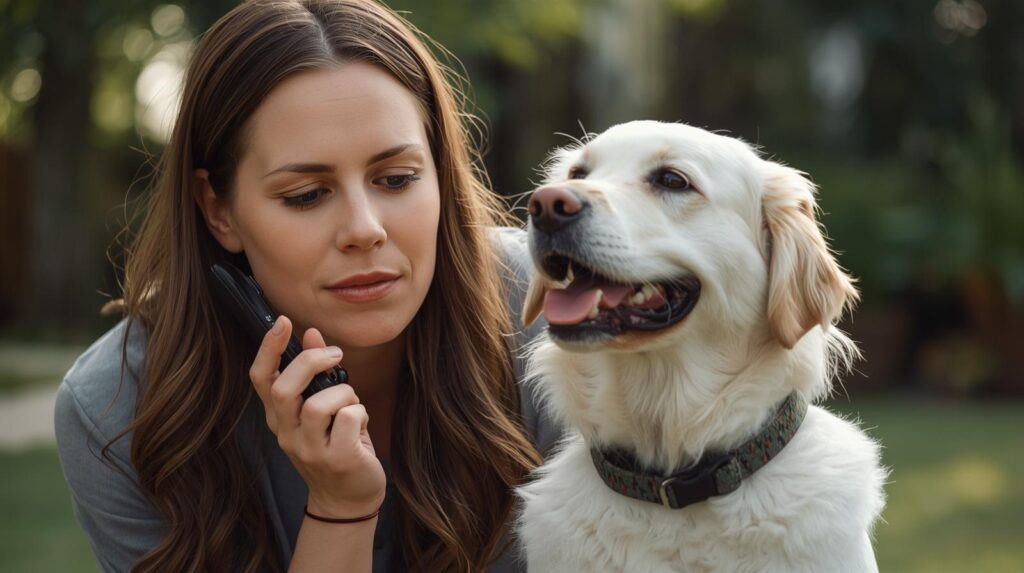
Clicker training, it’s all about that little gadget paired with positive reinforcement. At its core, clicker training involves using a small device that makes a clicking sound—hence the name! When your dog performs a desired behavior, you click the device and follow it up with a treat or praise. It’s a simple yet powerful way to communicate with your furry friend.
So, why does clicker training work so well? The magic lies in the psychology of learning, specifically operant conditioning. When the click sound is consistently paired with a treat, it becomes a conditioned reinforcer. This means your dog starts to understand that a click equals something good is coming. It’s like getting a bonus check every time you do something right—and who wouldn’t want that?
There are plenty of perks to clicker training. For starters, it emphasizes what your dog is doing right instead of what they’re doing wrong. This positive environment builds confidence for your pup. It also speeds up learning because the click provides instant feedback. Plus, it strengthens your bond with your dog since the whole approach is non-confrontational and fun.
But hold on, doesn’t clicker training sound just a bit too good to be true? Some folks think so and there’s a few myths floating around. One common misconception is that you’ll need a clicker forever. Not true! The goal is to eventually phase it out. Another myth is that it’s only for simple tricks or young pups. In reality, it works wonders on almost all dogs, no matter the age or complexity of the task. So, it’s definitely worth a shot if you’re looking for a clear, positive way to train your pup.
Kicking off your clicker training journey requires the right set of tools. First up, choose a clicker that’s comfortable to use, fits in your hand, and has a sound you like. Don’t forget those tasty treats your pup will love. Opt for small, soft treats so your dog can enjoy them quickly and stay focused. It’s best to keep spoiled-in-advance treats in your pocket or a treat pouch, so they’re ready to go.
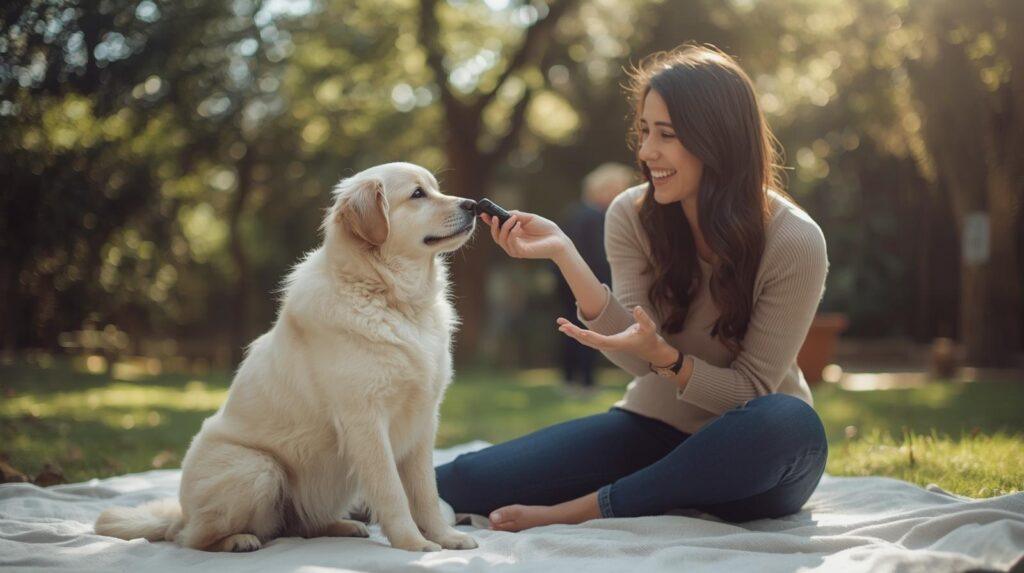
Introducing the clicker sound to your dog is step number one. Get your pup’s attention, click the device, and immediately follow up with a treat. Do this a few times until you notice your dog starts looking at you expectantly after the click. Congratulations, you’ve made the perfect introduction!
Timing is everything in clicker training. Click at the exact moment your dog performs the desired action, and be consistent with your signals. If your timing’s off, your furry friend might get confused about what behavior you’re rewarding. Practice makes perfect, so don’t stress if it doesn’t click (pun intended!) right away.
Keeping training sessions short and sweet is the way to go. Aim for sessions around 5-10 minutes, a few times a day. Ending on a high note keeps your dog eager for the next session. Mix in some playtime or a quick walk in between to avoid boredom and keep it fun. Remember, training should be enjoyable for both you and your dog.
Teaching your dog basic commands using a clicker opens up a whole world of communication between the two of you. Start with simple commands like ‘sit’, ‘stay’, ‘come’, and ‘heel’. For ‘sit’, just wait for your dog to naturally plop their rear on the ground, click the moment it touches down, and toss them a treat. Do this over and over, and they’ll start sitting on command.
Now, what about shaping behavior? This technique involves breaking down actions into smaller steps and using the clicker to ‘mark’ each step towards the desired behavior. Think of it as playing a game of hot and cold, where the click tells your pup they’re getting warmer. It’s a flexible approach that encourages creativity and patience from both you and your dog.
Sometimes clicker training isn’t smooth sailing from day one. If you hit a snag, like your dog getting distracted mid-command, no worries. Re-evaluate your surrounding environment. It might be too busy or stimulating. Take baby steps back to reduce distractions, or switch up the reward if treats aren’t cutting it.
Once you’ve nailed the basics, moving onto advanced tricks becomes a whole lot easier. Utilize what they’ve learned to teach fun tricks like spinning, rolling over, or even high-fiving! Your dog’s confidence will soar, and your bond will grow stronger—what’s not to love about that?
Clicker training isn’t one-size-fits-all, and that’s the beauty of it! Puppies and older dogs bring different challenges and benefits to the table. With puppies, you can start from scratch, building good habits from day one. Older dogs might need a little more patience due to ingrained behaviors, but hey, you CAN teach an old dog new tricks.
If your dog’s got specific behavioral quirks, clicker training can help tackle those too. Maybe there’s a habit of barking at visitors or jumping on guests. By focusing the clicker on pinpointing the desired behavior, you can work on replacing the unwanted actions with more pleasant ones.
Incorporating clicker training into daily life shouldn’t feel like a chore. Use everyday moments as training opportunities; maybe it’s during a walk or while preparing their meal. It’ll help reinforce commands and turn learning into a seamless part of your routine.
Amazon Associate receives compensation for some purchases
Back in the bustling 19th century, in the open plains of Australia, livestock handlers faced a big issue – herding wild cattle across rugged lands wasn’t exactly a walk in the park. Enter the Australian Cattle Dog, bred specifically to tackle this job. Originally known as Hall’s Heelers, these dogs are the handiwork of a few innovative breeders, most famously the Hall family, particularly Thomas Simpson Hall and his brother George.
These guys weren’t just messing around. They combined several breeds, like the dingo, a dash of dalmatian, and collie-type herding dogs, fashioning a pup that was tough, resilient, and ideally suited to Australian terrain and climate. The breeding goal? Pure efficiency – a dog capable of handling cattle over vast distances and harsh conditions without so much as breaking a sweat.
As time moseyed on, the Australian Cattle Dog didn’t just stick to farm work. Their skills turned them into a popular choice for a variety of roles, even winning hearts as loyal companions. But they never lost the sharp and energetic instincts that made them great herders.
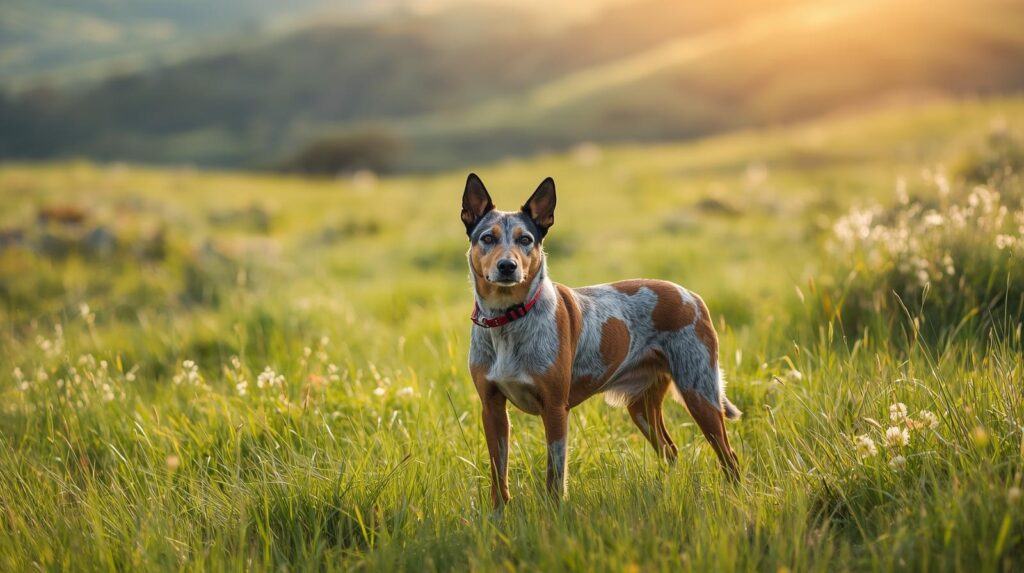
These dogs aren’t just known for their work on the farm; their striking appearance and vibrant personality turn heads too. Come rain or shine, they sport a short, dense coat that not only sheds water but also deflects dirt, in colors that span from blue to red. Their compact, muscular build tells you they mean business, with sharp eyes that seem to miss nothing.
Comparing Aussie Cattle Dogs to other herding breeds throws some interesting contrasts into focus. While they share the common shepherd’s work ethic found in a Border Collie, their loyalty and independence stand out, making them uniquely suited for solo tasks. They aren’t just all work and no play though; their high energy means they’re always up for a game, or ten.
When it comes to personality, these pups are like dynamite – full of energy, sharp as a tack, and incredibly loyal. They’re the type who’ll attach themselves to you and stick with you through thick and thin. But don’t get it twisted, they have a fierce independent streak, thanks to their herding heritage. This means they’re perfect for owners who can match their energy and respect their independence while guiding them.
An Australian Cattle Dog isn’t your average pet. They have abilities that go beyond fetching sticks – it’s like they have a herding instinct on steroids. They’re quicker than a FedEx delivery and sharper than your granddad’s favorite axe, always looking for a task or a problem to solve, which is why they’ve got to stay active both physically and mentally.
They love their people but won’t mind some alone time, usually to recharge or plot their next game plan. They can tackle tasks with little outside help, showing off their sharp problem-solving skills.
Owning one isn’t all sunshine and rainbows. Potential owners need to buckle up for a few challenges. High energy means they need tons of physical activity and mental stimulation, far beyond your regular walk in the park. If they don’t get their energy out, they might come up with their own fun – and you might not like their creative ideas.
Getting an Australian Cattle Dog up to speed takes a bit of commitment, but the rewards are huge. Early training is key. These dogs are smart cookies and thrive with consistent guidance. Teach them basic commands early on, and you’ll be golden. Just remember: patience and positive reinforcement go a long way.
Health-wise, these dogs are generally robust, but like any breed, they have a few quirks. Keep an eye on common issues like hip dysplasia and progressive retinal atrophy. Regular vet checkups and a healthy diet will keep these potential problems at bay.
Speaking of diet, these dogs are high-octane machines and need premium fuel to keep them ticking. A balanced diet suited to their energy levels is a must. They love exercise, but it’s not just about running around. Try agility training or herding games that challenge them both mentally and physically.
Grooming might be straightforward with these guys, thanks to those water-repellant coats, but regular brushing is still important. It keeps the shedding under control and helps distribute their natural oils, keeping their coat shiny and healthy.
While they’re born problem-solvers and need plenty of mental stimulation, offering them puzzle toys or training sessions can work wonders. Keeping their minds engaged prevents boredom, which, let’s face it, is the arch-nemesis of any well-behaved pet.
The modern world has welcomed the Australian Cattle Dog with open arms, beyond the ranches they were originally bred for. These dogs fit right into urban settings, provided they’ve got enough activities to keep them on their toes. Living in the city or the country, they shine due to their adaptable nature.
Their charisma stretches beyond everyday life, popping up in movies and ads, showcasing those sharp looks and sharper brains. In pop culture, they’ve been seen as icons of the rugged, resourceful personality that appeals to a lot of folks.
On farms, these dogs have influenced modern farming practices by setting a high standard for efficiency and ability. They can handle more than their fair share of livestock, which makes them invaluable to anyone in the trade.
Looking ahead, maintaining the breed’s integrity while adapting to changing lifestyles is crucial. Breeders and owners alike focus on preserving the breed’s inherent skills and balancing it with the modern-day need for companionship and versatility.
If you chat with owners today, you’ll get nothing but love stories. People choose Australian Cattle Dogs for their intelligence, beauty, and unwavering loyalty. Their ability to be both independent and deeply bonded with their humans makes them stand out. It’s no wonder they’re becoming popular choices for families and singles alike.
Amazon Associate may receive compensation for some purchases
The roots of the Bernese Mountain Dog stretch back to the Swiss Alps, where this breed first made its mark. With ancestors that likely include Romans’ mastiff-type war dogs, these canines were first known as all-around farm dogs in Switzerland.
Every farm needed the strength and endurance of these dogs for pulling carts filled with dairy and goods to market. Their role wasn’t just functional though; they built a reputation for being a loving family companion through generations.
By the early 20th century, there was a push to preserve the Bernese Mountain Dog. Breed enthusiasts and clubs worked to ensure they remained a part of the agricultural culture yet adaptable to modern life. This push bolstered their numbers and popularity.
Key historical moments, like their introduction to the United States in the late 1920s, played a significant role in the global community’s growing affection for these gentle giants. The first Bernese Mountain Dog entered the AKC in 1937, cementing their place in canine history.
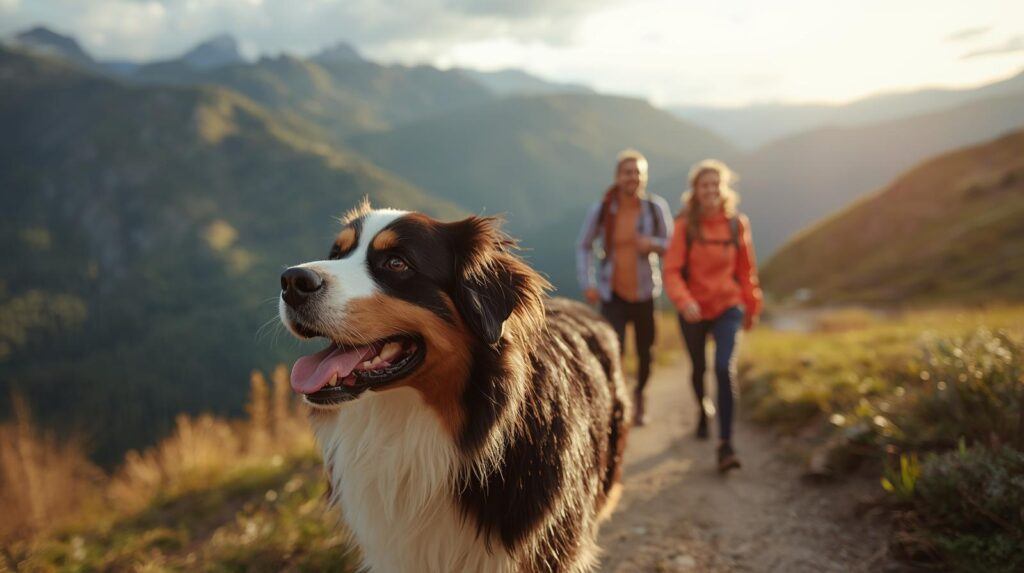
Bernese Mountain Dogs aren’t just big; they’re impressively handsome with their striking tri-color coat. That thick fur isn’t all about looks, though—it’s perfect for the chilly climates of their Swiss homeland. Their distinct blend of black, white, and rust creates a look that’s as iconic as it is eye-catching.
These dogs might seem burly, but their temperament is famously gentle and sweet. They make some of the best companions, especially for families, thanks to their affectionate and devoted nature. Despite their size, they have a calm demeanor around kids and are incredibly patient while still being protective.
Energy-wise, don’t be fooled by their laid-back disposition indoors. They’re energetic and thrive when they have space to roam. Daily walks aren’t just appreciated; they’re necessary for keeping both body and mind healthy. It’s this combination of energy and calm that makes them adaptable to a variety of household environments.
Bernese Mountain Dogs have captured the hearts of people worldwide, and it’s not just because of their good looks. Their popularity comes from their ability to blend into family life seamlessly. From city dwellers in high-rises to countryside families with acres to spare, these dogs are cherished friends, thanks to their kind nature and adaptability.
Feeding a Bernese Mountain Dog can be quite the task given their size. These gentle giants require a diet that supports their large frame without overburdening them with unnecessary calories. A good balance of proteins, fats, and carbohydrates is essential. Consult with a vet to tailor a nutrition plan that meets the specific needs of your dog.
These dogs aren’t just pets—they play active roles in community life. Known for their gentle nature, Bernese often serve as therapy dogs, bringing comfort and smiles to hospitals, nursing homes, and schools. Their ability to connect with people from all walks of life highlights their positive impact beyond the home, making them cherished members of any community.
Exercise is crucial for keeping your Bernese Mountain Dog happy and fit. These dogs love a good romp in the open, so make sure you incorporate ample playtime and walks into their daily routine. Keep in mind, though, that too much intense activity can impact their joints, so moderation is key, especially if your pup is still growing.
Being a large breed, Bernese Mountain Dogs are prone to specific health issues like hip dysplasia and certain genetic disorders. Regular check-ups with a vet can catch these early. Also, it’s wise to invest in pet insurance as a way of safeguarding their health without breaking the bank.
Training your Bernese isn’t just about teaching them to sit and stay. These dogs thrive with positive reinforcement training methods. Start as early as possible to cultivate good habits and manage behaviors. They respond well to consistency and patience, so keep training sessions short, fun, and rewarding.
Bernese Mountain Dog owners often find themselves part of a larger family—a community bound by their shared love for these majestic dogs. From local parks to online forums, there’s no shortage of friendly places to exchange stories, tips, and the occasional puppy photo.
Local and international events centered on Bernese Mountain Dogs offer more than just a fun day out. They’re great places to meet other owners, swap advice, and participate in activities like dog trials or carting competitions. These events spotlight the breed’s versatility and the strong bonds between dogs and their owners.
The online community of Bernese Mountain Dog lovers is thriving, buzzing with activity across various platforms. Whether you’re a first-timer needing training advice or an old hand wanting to discuss health concerns, the internet is a treasure trove of resources and support.

Amazon Associate may receive compensation for some purchases
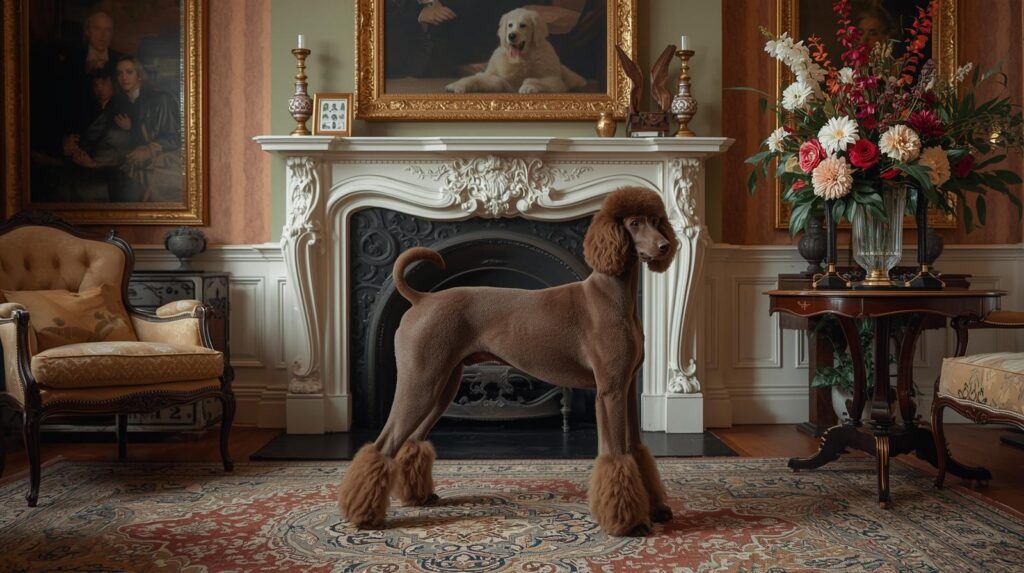
These curly-coated companions have a history that’s as rich as their luscious locks. Dating back to at least the 15th century, the standard poodle’s roots are believed to be in Germany, where they were bred for retrieving game from water. You might even see a resemblance in their name, which is derived from the German word ‘Pudel’, meaning ‘to splash’. So, if your poodle loves to play in puddles, it’s just doing what it’s been bred to do!
During the Renaissance period, poodles gained popularity among French nobility. Yes, these pups were living the high life, often depicted alongside their aristocratic owners in paintings and sculptures. Their elegance and intelligence made them stand out, leading to a starring role in the social circles of Europe. Historians even talk about how these dogs were often decked out in stylish, sometimes elaborate, trims called ‘clips’—an attempt to combine practicality with fashion while they worked in the water.
Fast forward to modern times, the standard poodle is more than just a pretty face. While very much adored as stylish family pets, their influence stretches beyond mere companionship. Throughout history, poodles have been subject in various forms of literature and art, where their presence has signified sophistication and sharp wit. Look at the works of famous artists and writers, from Rembrandt to Goethe, and you might find our iconic curly friend captured in their creations.
One thing’s for sure—the standard poodle’s journey from working dog to noble companion speaks volumes about its adaptability and charm. They’ve shed their working dog persona to embrace a world of cuddles and cohabitation, all while retaining that unmistakable air of dignity. They are a living testament to centuries of evolving human fascination with elegance, cleverness, and companionship.
Standard Poodles are quite the sight with their elegant, graceful posture and distinctive curly coats. Standing tall, these dogs typically reach about 15 inches at the shoulder, with males often being slightly larger than females. They’re robust and well-proportioned, combining agility with efficiency. Their charming dark eyes and alert expressions reveal a keen intelligence that’s hard to miss.
One of the most striking features of these dogs is their fabulous coat. It’s not just for show either. The poodle’s unique fur is actually hypoallergenic, making it a preferred choice for people with allergies. However, their coat requires regular grooming to avoid matting. Whether opting for a classic sporting clip or a more modern style, maintaining those curls is a commitment, albeit a rewarding one.
But there’s more than meets the eye with these pups. They’re known for their bright and energetic temperament. Despite their noble appearance, standard poodles have a lively spirit and love to engage in playful activities. Their intelligence ranks among the highest of all dog breeds, making them easily trainable—though they do require mental stimulation to keep from getting bored.
It’s their remarkable blend of smarts, elegance, and a dash of goofiness that makes them top-notch companions. They thrive in environments where they’re treated as part of the family unit. With a bit of patience and understanding, a standard poodle can shine bright as a loyal and loving friend, giving just as much as they receive.
Keeping a standard poodle in top form means paying attention to a few key essentials. These dogs have a lively energy, which means regular exercise isn’t just a recommendation—it’s a must. Long walks, playful fetch sessions, or even agility training can help channel their enthusiasm.
Diet-wise, make sure to provide a balanced meal plan tailored to their size and activity level. Standard poodles are prone to specific health issues like hip dysplasia and certain skin conditions, so consulting a vet about the best food choices is a good idea.
Regular grooming tops the list for poodle care. Their curls need consistent brushing to stay mat-free, and scheduled trims can keep them looking and feeling their best. Bathing routine? Once every three to six weeks usually does the trick, but adjust based on their activity.
Staying on top of vet visits is crucial, too. Routine check-ups can help spot potential health concerns early. Things like eye tests and screenings for common ailments help ensure your poodle stays in prime shape. Consider investing in pet insurance to manage unexpected vet bills, offering peace of mind.
In today’s world, the standard poodle wears many hats beyond being a cherished family pet. These intelligent dogs excel in various canine sports, such as agility, obedience, and flyball, where their quick learning and agile nature shine. Participating in such activities not only keeps them fit but also provides the mental challenges they crave.
Their impressive work ethic and keen sense of smell make them excellent candidates for roles beyond traditional pet boundaries. Some standard poodles are trained as search and rescue dogs, tracking down scents and aiding in crucial missions. Their smarts and adaptability are put to good use in assisting with disaster relief.
Moreover, you’ve likely seen poodles making heartwarming differences in therapy and assistance roles. Their gentle nature and ability to pick up on human emotions allow them to provide comfort and assistance to those in need, whether visiting hospital patients or helping individuals with disabilities.
These roles highlight the incredible versatility of standard poodles. Whether competing in sports or offering emotional support, they prove time and time again that they’re much more than their polished appearance suggests. Embracing these breeds in diverse roles benefits not only us but enriches the lives of these clever canines, providing them with the fulfillment they deserve.
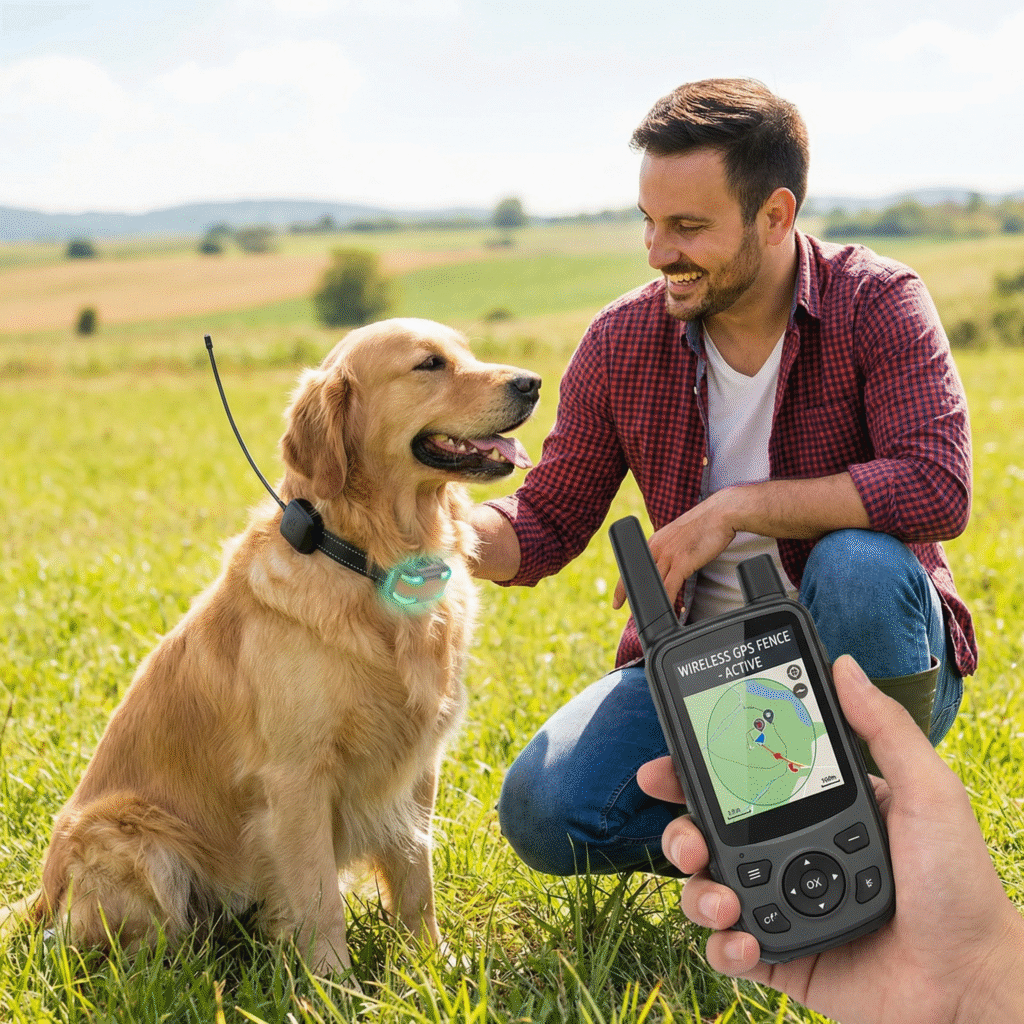
Wireless dog fences are like an invisible shield for your backyard. Instead of visible physical barriers, these systems create a boundary using radio signals. You can set up the boundary around your property or any specific area you want your pup to stay within. This tech helps a lot with keeping our furry friends safe without the need for building walls or putting up fences.
Traditional fences have always been there, sure, but let’s face it, not every home can support a big wooden barrier. Plus, not everyone loves the vibe they bring to a garden. That’s where wireless fences step in. They give you flexibility and can often be more economical. It’s a cool alternative, especially if you’re renting or have aesthetic preferences.
The tech behind these fences sounds a bit space-age, but it’s simple once you get the hang of it. The system revolves around a transmitter and a receiver. The transmitter creates a wireless boundary, and the receiver—attached to your dog’s collar—alerts them if they’re getting too close. The collar might beep first or give a mild, safe static correction to tell your pet to turn back.
Wireless fences do bring a bunch of benefits. They’re great for large properties and quick to set up. However, it’s not all sunflowers and rainbows. The system can have hiccups, like electronic interference and range limitations. These need your attention to make sure the boundary stays consistent. Also, tough training is vital for your dog to understand how to navigate the new limits safely.
Picking the right wireless fence is a bit like matchmaking. It’s all about finding what works for both you and your pooch. To get started, consider your dog’s personality and size. Some systems are more suited for bigger, more adventurous dogs, while others could be a better fit for your more timid or smaller canine companions.
Training plays a massive role in this process. Even the best wireless fence won’t work if your dog doesn’t comprehend their new play area boundaries. Plan to spend quality time training them. This helps to ensure that they respond positively and safely to the system’s cues.
The area you’re fencing in is another key factor. Some systems can cover sprawling spaces, while others are meant for more cozy settings. Know your yard’s dimensions and check how adjustable the system’s range is. This helps to avoid any surprises about distances when it’s up and running.
It’s essential to do some homework by checking reviews and brand reliability. Some dog owners swear by specific brands thanks to their durability or feature set. Listen to other pet owners’ experiences, it gives insight into what might work best for your situation. A little preparation goes a long way to making sure your dog stays safe and happy.
Getting your wireless dog fence set up sounds daunting, but with a clear plan, it becomes a breeze. Think of it as piecing together a puzzle. First things first, location matters a ton. The transmitter should be placed in a safe, dry spot, away from electronic gadgets that might interfere with its signals. Centering it in your desired coverage area usually gives the best performance.
Installing the system is straightforward with some basic know-how. Most systems come with user-friendly manuals to guide you through. Typically, you’ll determine your boundary, power up the transmitter, synchronize the collar, and adjust the settings. Most people are surprised at how quick this whole process can be once they get rolling.
Maintenance assures that your wireless fence stays in top shape. Regularly check the battery life of the receiver collar and keep an eye on any software updates from the manufacturer. Having a quick maintenance routine helps prevent most common issues before they disrupt your setup.
Even with diligent installation and upkeep, technology can sometimes misfire. If you encounter hiccups, like signal glitches or boundary inconsistencies, manufacturers’ customer service or user forums can be lifesavers. They’re packed with tips from folks who’ve been in your shoes.
Pet safety is the top priority, and using a wireless fence means finding the right balance between freedom and boundaries for your furry friend. These systems offer a neat solution for letting dogs roam while keeping them secure within a designated area, but it’s crucial to ensure they’re used ethically.
Before getting started, consider your dog’s comfort and the system’s safety features. The idea is to gently guide them—not stress them out. A good fence system will have multiple levels of correction to suit your pet’s temperament, ensuring that it’s humane and effective.
Ethical use is essential in this territory. Spending time with your dogs as they get used to the new boundaries helps them feel confident and cared for. Use positive reinforcement during this training phase—treats and praises go a long way in making sure they understand the limits without fear.
Supervision is key when using wireless fences. While these systems are clever, they’re not substitutes for a watchful eye. Your dog still benefits from your company to ensure they’re safe and enjoying their outdoor time.
If a wireless setup doesn’t sit right with you or your pet isn’t responding well, exploring other options could make sense. Traditional fencing or even a mix of boundary types might be the answer. The goal is always your pet’s well-being and happiness.
Amazon Associate receives compensation for qualified purchases
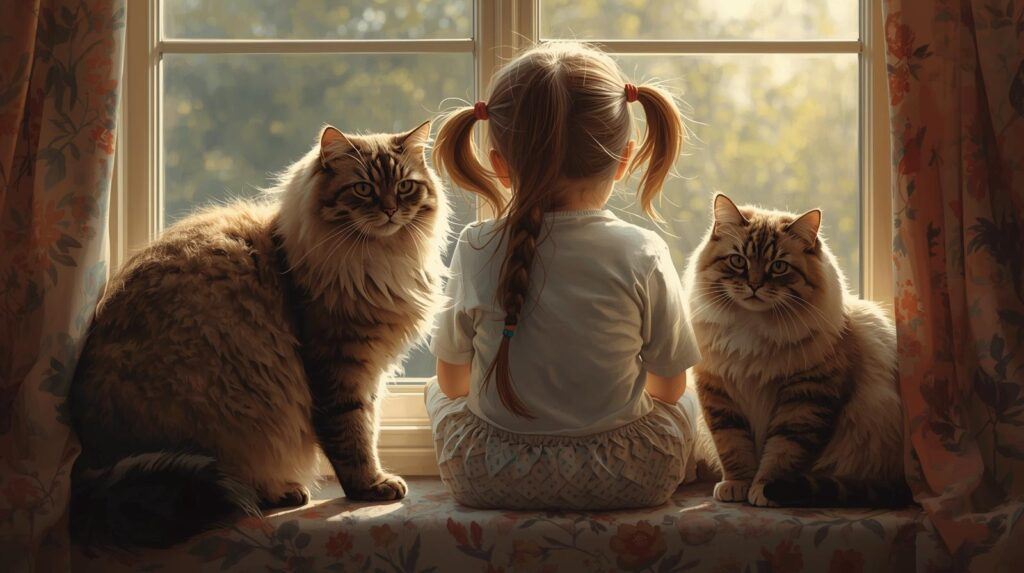
Picking the right cat breed when you have kids is more than just a decision; it can set the stage for how your family life unfolds. Each cat brings its own unique flavor to the household, and making the ideal choice hinges on understanding how different breeds interact with young ones.
Cats have personalities as distinct as fingerprints. Some are chill and laid-back, while others are bundles of energy ready for action. Matching a cat’s temperament with your kid’s energy level isn’t just smart; it ensures everyone gets along perfectly and keeps the vibe positive and fun.
Cats and kids can be a magical combo, but it all starts with balancing expectations. Consider whether you’re looking for a cat that chills with the family or one ready to join in on playtime antics. Finding the right match means fewer clashes and more joyful moments, ensuring your home feels like a happy, stress-free zone for both the kids and the furrier family members.
Some cats just seem to have that extra special touch when it comes to hanging out with kids. Let’s take a look at some of the top breeds that are all about family life.
Meet the Maine Coon, known for being a gentle giant. With their friendly nature, this breed can handle all the love—sometimes rough around the edges—that kids can give. These fluffy pals are pretty patient and love being part of all activities around the house.
Next up is the Ragdoll. True to their name, these cats love to flop around in your arms, and their affectionate nature makes them perfect buddies for kiddos. With their calm demeanor, Ragdolls aren’t easily ruffled, which makes for a peaceful environment.
Enter the Burmese—curious, lively, and always ready for fun. These social butterflies are great for energetic kids who have a knack for playing games. Expect them to follow your children around like loyal sidekicks!
Got a high-energy household? The Abyssinian might be your match. These athletic cats love climbing and will join in on all adventures. They’re playful and love a good challenge, keeping both cats and kids on their toes!
Finally, let’s talk about the British Shorthair. With their easygoing and nonchalant demeanor, they adapt well to family life. Their sturdy build makes them a +ractically childproof, and their affectionate nature ensures that snuggle time is always on the agenda.
Real stories speak volumes. Families often recount how their Ragdolls purr contentedly even amid noise or how their Burmese cats brighten up everyone’s day with their antics. Choosing one of these breeds can bring more harmony and laughter to your family.
Bringing a new cat home is exciting for kids, but building a positive relationship requires some guidance. Teaching children how to interact with their furry friend is essential for both their safety and the cat’s comfort.
Start by showing kids the right way to approach and handle a cat. Gentle touches, rather than pulling or squeezing, help build trust. Kids can learn to recognize when a cat wants to play or needs some alone time. It’s a bit like learning a new language of whiskers and purrs.
Then there’s the health angle. Each breed comes with its own set of potential health concerns, like genetic conditions that may require extra vet visits or special care. Factor in these potential needs to avoid any surprises down the road.
Creating an enriching environment benefits both the kids and the new feline member. Set up spaces where cats can observe and join family activities as they please. Simple toys, scratching posts, and cozy resting spots make cats feel right at home.
Supervision is key, especially in the beginning. While it’s thrilling to see kids playing with their new friend, it’s important to ensure play doesn’t get too rough. Rolling a ball or dangling a string should keep both parties entertained and safe.
Positive interactions lay the foundation for lifelong friendships. With support and patience, kids can become confident in caring for their new cat, while cats learn that these tiny humans offer a world full of love and play.
Picking the perfect cat isn’t just about the personality match. There’s more to ponder when bringing a cat into a family setting, especially with kids in the picture.
Maintenance is a biggie. Some cats require more grooming than others, so it’s worth looking into whether you’re getting a long-haired beauty that needs regular brushing or a short-haired friend that’s lower maintenance. This choice impacts both time spent on grooming and the potential for fur-filled spaces.
The cat’s diet should also be a factor in your decision. Different breeds might have different dietary needs, and feeding them properly helps maintain their health and happiness. Parents often involve their kids in feeding time to teach responsibility and care.
Space shouldn’t be overlooked. Cats need room to roam and retreat, which is critical if your living situation involves more compact quarters. Consider how much space a breed needs to flex its muscles or just nap in peace.
Lastly, remember that having a cat is a long-term love story. Training, healthcare, and regular vet check-ups ensure your cat stays healthy and happy over the years. It’s about committing to a pet’s wellbeing, just as much as to the cuddles and the playful pounces.

Amazon Associate may receive compensation on some purchases

Golden Retrievers have been winning hearts for over a century. Originally hailing from the moors of Scotland, these lovable furballs were bred in the 1800s to retrieve game from land and water. The journey from the Scottish Highlands to becoming one of America’s most beloved family dogs is nothing short of impressive.
These dogs are pretty hard to miss with their luscious, golden coats and soulful eyes. Usually medium to large-sized, they strike a perfect balance between strength and grace. Their friendly expression is a clear indicator of their lovable nature, making them easy favorites in homes and on the big screen.
From classics like ‘Homeward Bound’ to heartwarming ads for pet food and products, Golden Retrievers are practically Hollywood stars in their own right. Their charm and endless curiosity make them perfect for roles that require a blend of playfulness and loyalty.
Online forums and social media groups are treasure troves of information and support. Here, knowledgeable members share advice, stories, and loads of adorable photos. These platforms can be a great source of comfort and guidance, especially when you’re facing training hurdles or simply want to share your Golden’s antics with like-minded folks.
People love them for being so adaptable. Whether it’s a family seeking a gentle playmate for kids or someone looking for a devoted sidekick on outdoor adventures, Goldens fit the bill. They thrive in environments where love and play are abundant and are desperate to be part of the action, making them an ideal choice for active families.
Golden Retrievers are social butterflies of the dog world. With hearts as big as their bodies, these pals thrive on human interaction and make friends wherever they wag their fluffy tails. They’re incredibly good-natured, welcoming everyone with open paws, which makes them great for families and people with other pets. Their sociable nature means they rarely meet a stranger, making them pretty reliable companions.
These dogs are whip-smart, showing an impressive aptitude for learning new commands and tricks. Their eagerness to please their owners turns training sessions into fun bonding experiences. But remember, a little patience goes a long way. Consistent and rewarding training helps channel their intelligence in the right direction.
Expect more than a couch potato, though. Golden Retrievers have energy to spare and need regular exercise to keep them fit and content. Daily walks, fetching games, or runs in the park can help burn off that lively spirit. They’re up for almost any activity that gets them moving and stimulated, which keeps boredom at bay.
Their gentle disposition extends beyond home life, making them fantastic therapy and service animals. The comfort they offer, along with their patience and ability to pick up on emotions, makes them suited for jobs that require warmth and understanding. These qualities help them excel in roles supporting people with disabilities or providing comfort in stressful situations.
Golden Retrievers are generally healthy dogs, but they’re not immune to certain health issues. Like many larger breeds, hip dysplasia can be a concern. It’s where the hip joint doesn’t fit perfectly, leading to arthritis or pain. Regular vet checks can help catch this early, ensuring your pup stays comfortable for years to come.
Cancer is another health concern in Goldens, with some studies suggesting it’s quite common in the breed. Keep an eye on unusual lumps or changes in behavior, and consult with your vet if anything seems off. Early detection can make all the difference.
These furry pals can also have skin allergies, which might not sound like a big deal but can cause a lot of itchiness and discomfort. Regular grooming and a proper diet tailored to their needs can help minimize outbreaks and keep their coat shiny and healthy.
In terms of care, Goldens need a balanced diet, rich in nutrients to support their energetic lifestyle. Regular grooming sessions aren’t just about looks; they help manage that thick coat and contribute to skin health. And of course, routine vet check-ups are crucial for keeping them in tip-top shape.
Breeding does play a role in overall health. Responsible breeders screen for genetic issues and prioritize the health and temperament of their dogs. When looking for a Golden, it’s wise to do your homework and choose someone reputable. This can set the foundation for a happy, healthy life for your new companion.
Golden Retrievers aren’t just amazing companions—they’re at the heart of a welcoming and passionate community. Connecting with local clubs can be a fantastic way to meet other Golden enthusiasts and share experiences. These groups often organize meetups where your pup can let off steam and play with others, making it a social outing for both dogs and owners.
Annual and seasonal events like picnics, walks, and dog shows are regular features on the Golden Retriever community calendar. These gatherings are perfect for learning more about the breed and discovering tips and tricks for training or care. Plus, it’s always nice to see a bunch of Goldens in one place, having the time of their lives!
For those considering welcoming a Golden into their home, adoption is a rewarding option. Numerous rescue organizations dedicate their efforts to rehoming Goldens in need. Whether you’re looking to adopt or just want to volunteer, these organizations always appreciate an extra set of hands or wagging tails.

Amazon Associate creator may receive compensation for some purchases