Exotic Bird Care

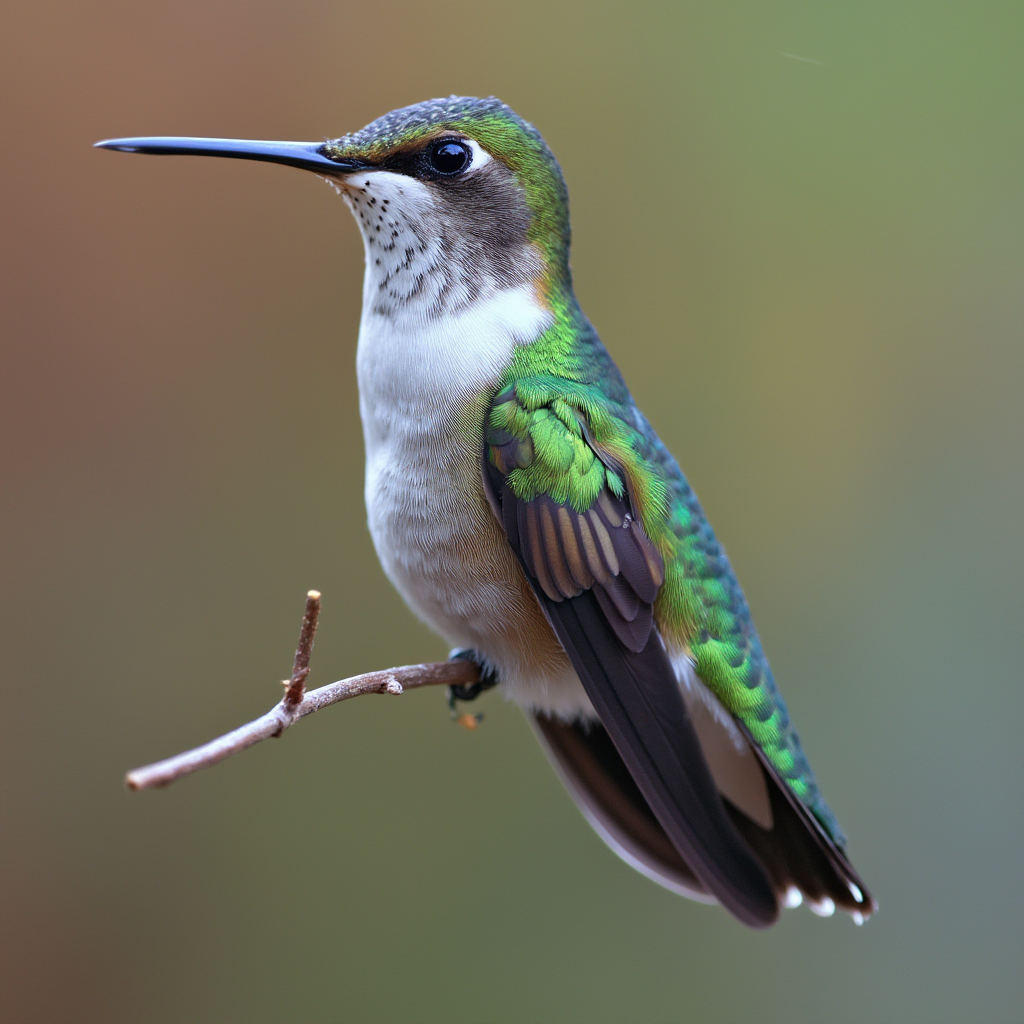
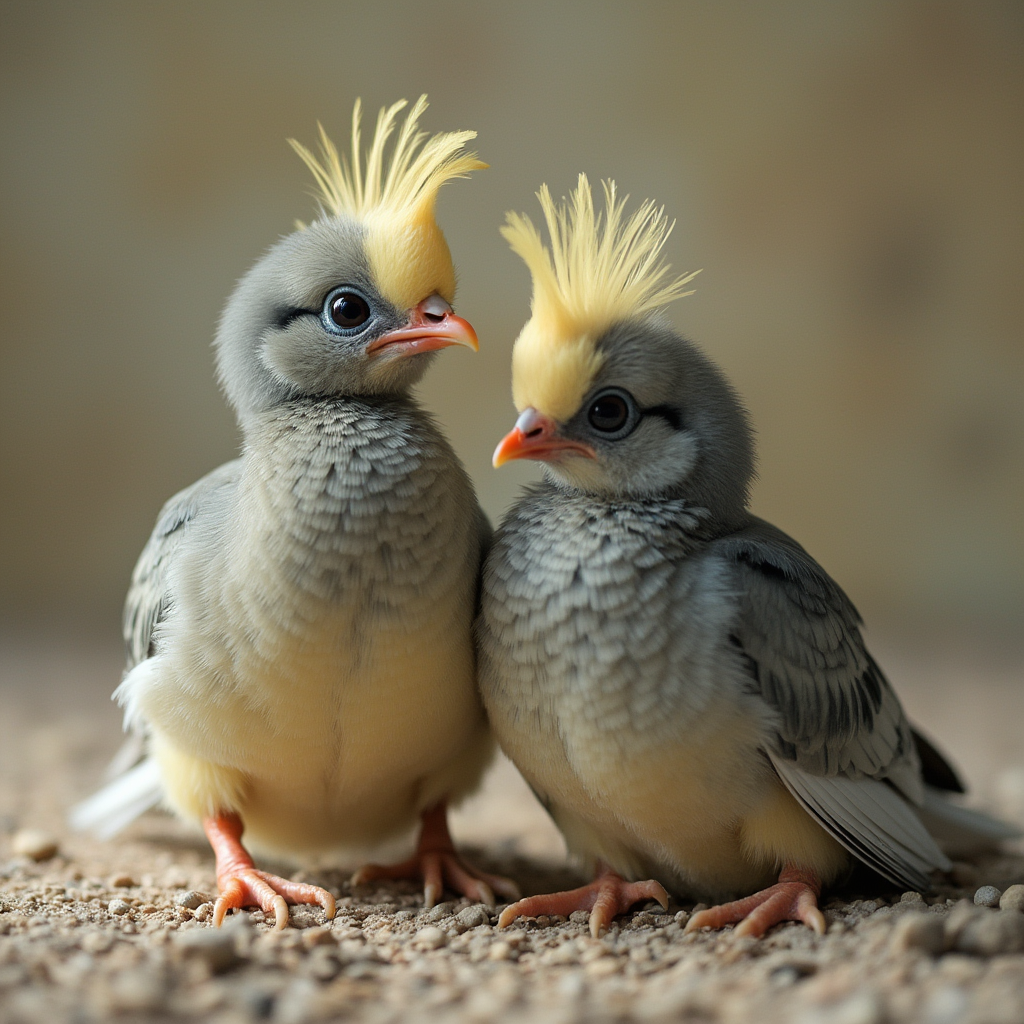
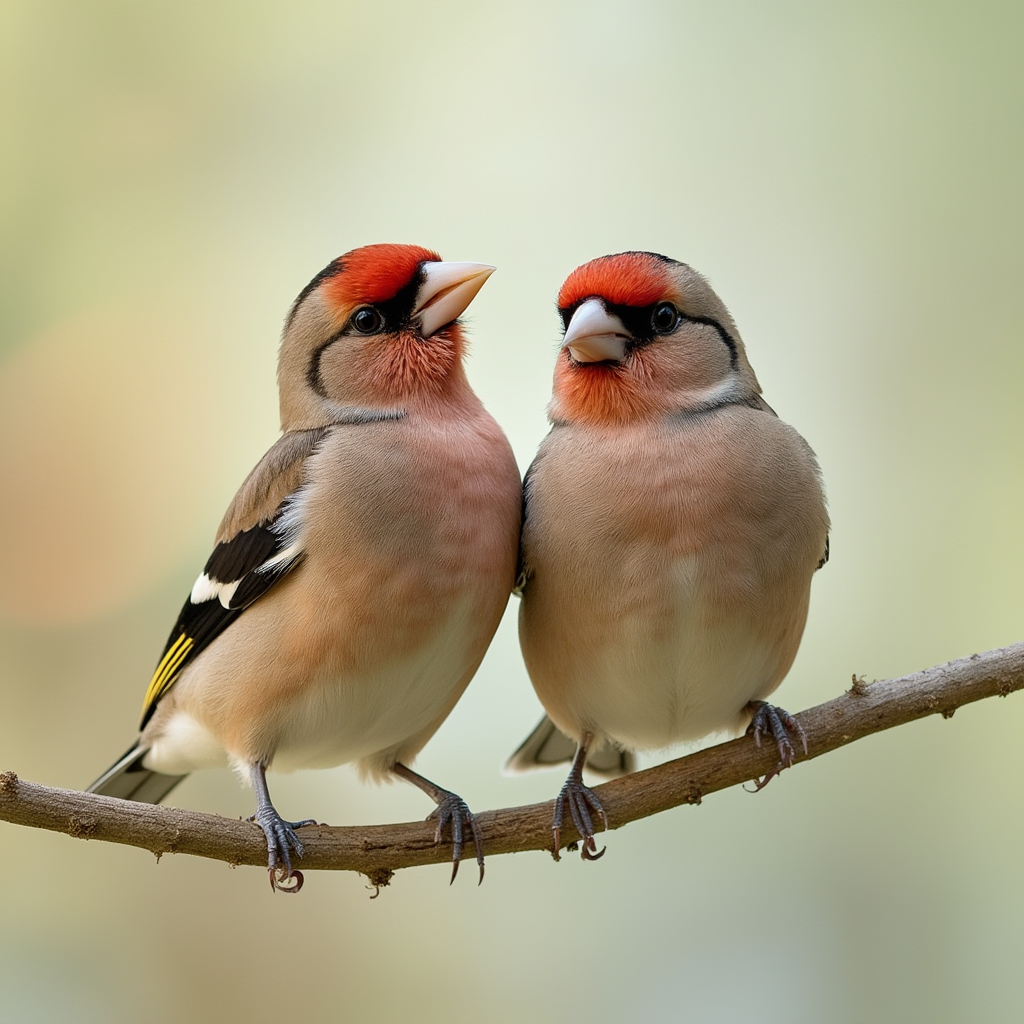
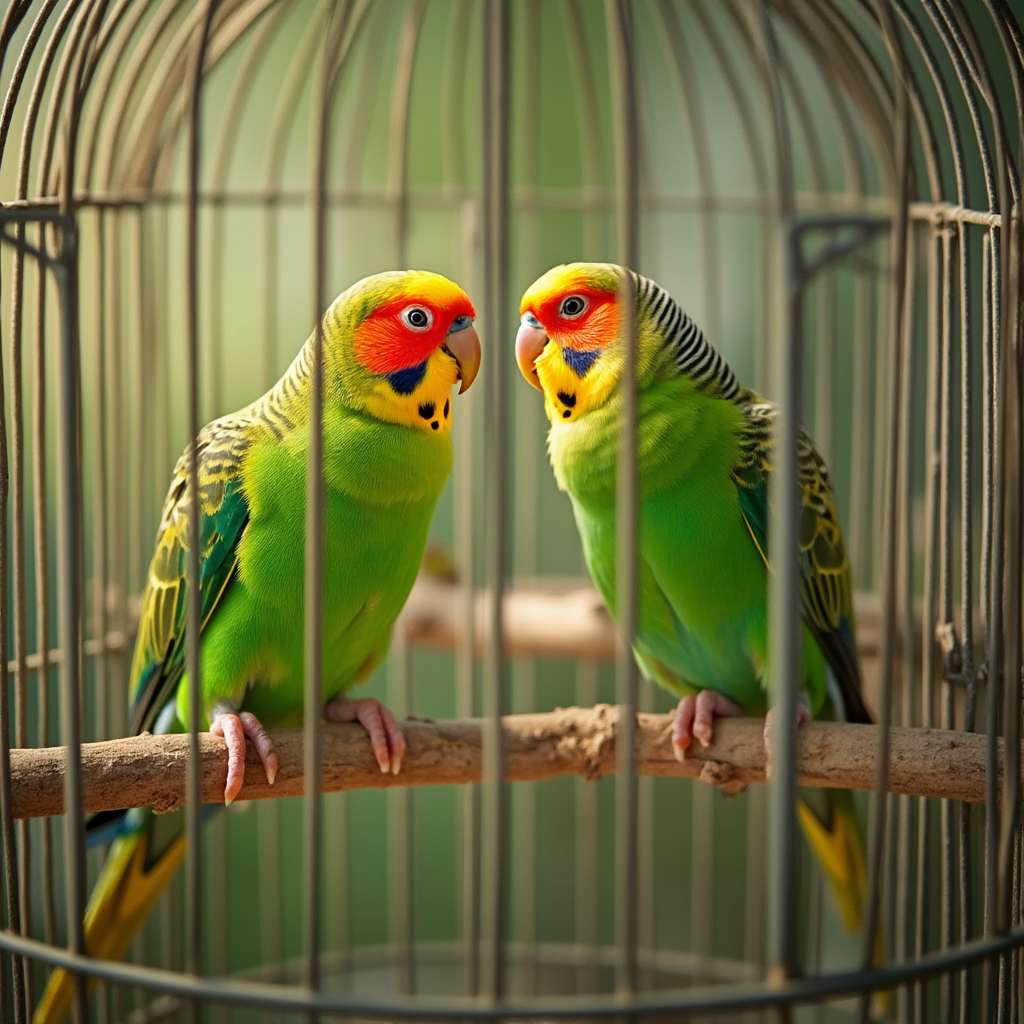
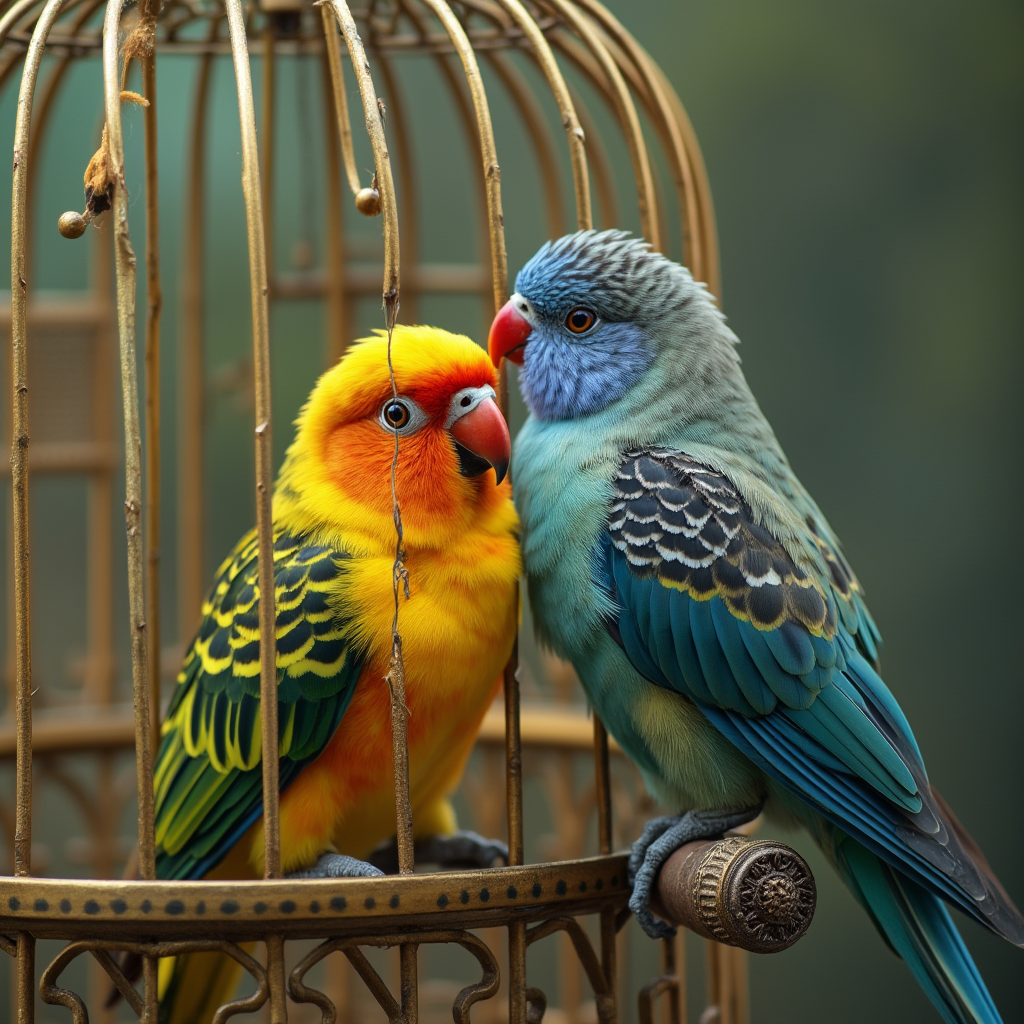
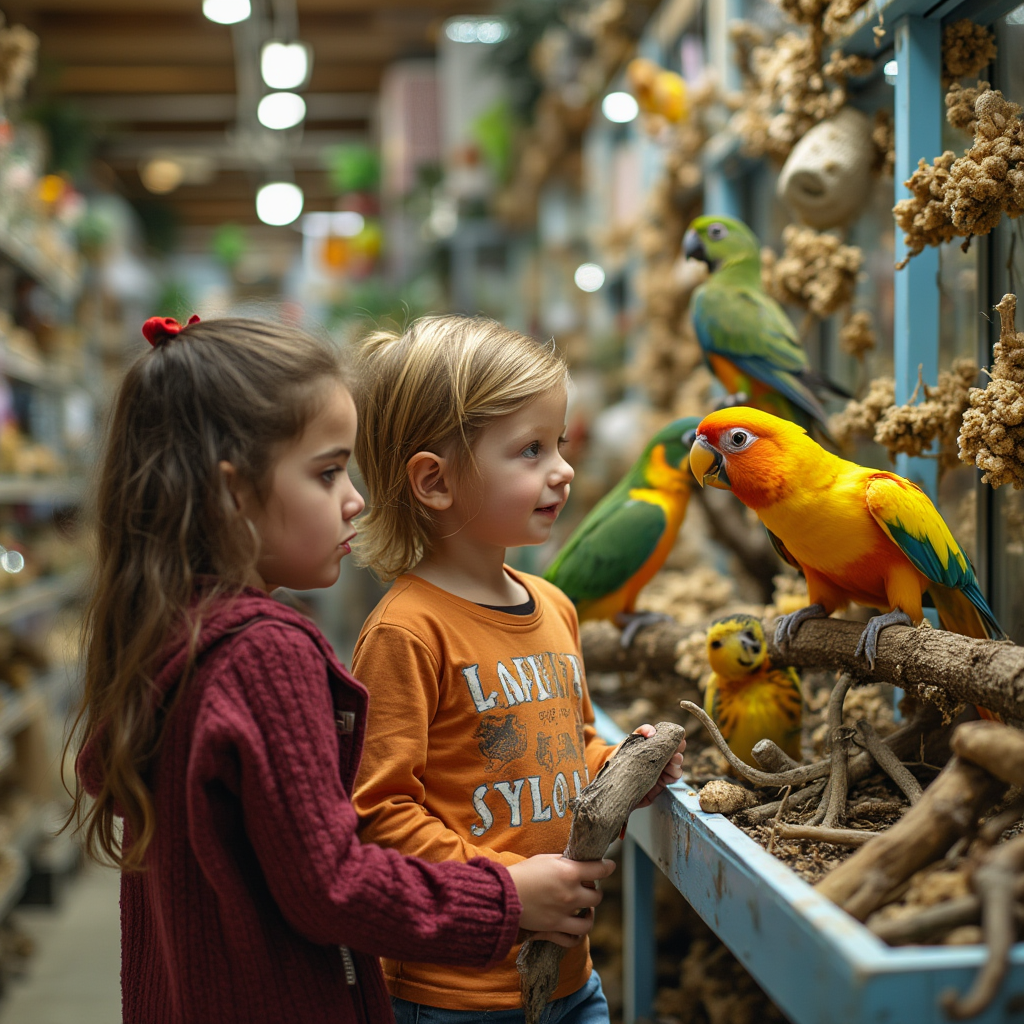
Kicking things off, let’s chat about the colorful world of exotic birds. There’s a huge variety out there, each sporting their own quirks. From vibrant parrots to delicate finches, understanding these unique traits is like unlocking a relationship built on trust and understanding.

Spotting a bird’s mood isn’t just for the pros. These feathered pals have their own ways of communicating, whether it’s through song, body language, or a cheeky squawk. Tuning into what they’re saying can make all the difference in creating a happy home.

Now, let’s talk about food—because who doesn’t love a good meal? Every bird species has its own nutritional needs. Whether it’s a cockatoo’s love for seeds and nuts or a conure’s penchant for fruit, tailor their diet to keep them chirpy and healthy. It’s not just about feeding; it’s about nourishment.

Handling common challenges is essential, whether it’s dealing with a bird’s anxious behavior or nipping habits. Staying informed and being patient goes a long way. After all, every challenge is just another chance to get closer and improve the bond with your feathered companion.

Creating the Perfect Habitat: Ensuring a Safe and Comfortable Home

Crafting the ideal habitat for your exotic bird is all about making them feel comfortable in their new digs. It starts with choosing the right enclosure. Size and type matter big time because a macaw’s space needs are way different from a budgie’s. The right cage is your first step to a happier bird.

Once you’ve got the cage, it’s time to make it home with the right accessories. Toys aren’t just a luxury; they’re a necessity. Keep them mentally stimulated with swings, mirrors, and chew toys. Don’t forget different types of perches for those little feet to grip and rest comfortably.

Cleanliness in a bird’s home supports their health, so keeping their space tidy is essential. Regularly change out the linings and clean food and water dishes. A healthy environment keeps your bird free from stress and sickness.

Speaking of stress, it’s important to recognize when your bird feels off. Maybe they’re fluffed up or not their usual chirpy self. Creating a calm atmosphere with the right lighting and minimal noise can work wonders for them. Remember, a peaceful bird is a happy bird.

Daily Care Essentials: Keeping Your Bird Happy and Healthy

Daily care for your exotic bird goes beyond just topping off the seed bowl. It’s about creating routines that balance health, engagement, and joy. Regular grooming keeps them looking and feeling their best. For those with feathered friends that love a splash, offering a bath dish and gently misting can make bath-time a delight.

Feeding schedules are a big deal too. Not just about the timing, but also the quality of food. Check dietary labels and get familiar with ingredients. A diversified diet is more than a requirement; it’s a pathway to vitality.

At times, spotting the not-so-obvious signs of illness prevents complications down the road. Keep an eye on changes in appetite, dropping consistency, and feather condition. Early intervention with a vet ensures they’re on the up and up.

Investing time in building a connection with your bird is rewarding. Talk to them, whistle, or simply hang out in their vicinity to nurture a strong bond. Each interaction enriches you both, turning daily routines into golden moments of companionship.

Navigating Legalities and Ethical Duties: Responsible Exotic Bird Ownership

Being a responsible exotic bird owner means stepping up beyond everyday routines. Legalities are a big part of this journey. Depending on where you live, there might be permits or regulations designed to protect both pets and wild populations. A quick check with local authorities keeps you on the right side of the law.

Ethical considerations can’t be brushed aside. It’s crucial to ensure that the birds are sourced through ethical means. Supporting rescue operations or reputable breeders who prioritize bird welfare makes a significant difference in the larger picture.

Safety is more than a cage with a lock. It’s about how you handle your bird, manage travel, and even introduce them to new people or pets. Creating a safe, respectful bond during interactions sets your buddy up for a stress-free life.

Exotic bird forums and clubs offer a treasure trove of support and shared experiences. Engaging with a community can reveal tips and insights that textbooks don’t cover—plus, it’s a chance to make new bird-loving friends!

Talking Birds

Talking birds captivate us with their unique ability to mimic human speech, a phenomenon that’s both charming and intriguing. This ability is rooted in complex anatomical and neurological features that allow certain bird species to reproduce sounds with striking similarity to human voices. Unlike humans, birds lack vocal cords. Instead, they have a syrinx, a muscular structure that allows them to produce a wide range of sounds.

Historically, talking birds have held a place of fascination and wonder. In Ancient Rome, African Grey Parrots were considered luxury pets, valued for their speech imitation skills. Myth and folklore from around the world talk about these birds as messengers or magical creatures, reflecting their esteemed status across cultures.

There’s real science behind why some birds can pick up on words and phrases. It’s not just their physical anatomy but also their intelligence. Parrots, for example, have been compared to children in their speech learning processes. They learn through repetition, training, and social interaction, picking up words and phrases they frequently hear. The neurological wiring in their brains, especially in highly communicative birds like parrots, supports this incredible mimicry capability.

Modern research into the speech abilities of birds continues to reveal insights not only into avian biology but also into the nature of speech and learning itself. Birds like the African Grey Parrot can use words in context, showing a level of understanding and cognitive ability that is nothing short of remarkable. For bird enthusiasts and scientists alike, there’s always more to discover about these feathered talkers.

Common Talking Bird Species: Nature’s Chatty Companions

When thinking about adding a feathery chatterbox to your life, knowing who’s who in the talking bird world is a solid start. Some of the most popular species include the African Grey Parrot, known for its exceptional vocabulary and problem-solving skills, and the Budgerigar, or ‘budgie’, a small yet incredibly talkative bird often underestimated due to its size.

Then there’s the Cockatiel, charming with its distinct personality and ability to whistle familiar tunes. Let’s not forget the charming Amazon Parrots, who thrive on interaction and can develop clear speech and singing abilities. Each species has its unique quirks and levels of speech imitation, making them uniquely charming companions.

Knowing what you’re getting into with these lively birds is crucial. Different species come with different personalities and care needs. Some might be chatty but also have a knack for getting into trouble if bored. Regular playtime and mental stimulation are key to keeping your bird engaged. For example, the sociable African Grey requires considerable social interaction and mental challenges to thrive.

Thinking of bringing a talking bird home? Make sure you choose one that fits your lifestyle. Consider factors such as lifespan—many parrots live over 50 years—space needs, and social demands. It’s about matching personalities more than anything. Your perfect feathered friend is out there, ready to engage in a conversation and brighten your day with their lively company.

The Human-Bird Bond: Building Meaningful Interactions

Having a talking bird is more than just owning a pet; it’s about forming a unique bond that can be as rewarding as it is entertaining. These birds are highly social, and their ability to mimic human speech makes them exceptionally interactive companions. Building this relationship takes time and patience but is incredibly worthwhile.

Training a talking bird involves positive reinforcement techniques like using treats and affection to encourage desired behaviors. Consistency is key here. Regular, short training sessions are more effective than long, infrequent ones. It’s amazing to see how quickly they pick up on words, especially those used repeatedly in their environment, like greetings or even household objects.

Beyond just mimicking words, talking birds often mirror the emotional tones of their owners. They pick up on the nuances of your mood—chirping enthusiastically when happy or going quiet and subdued if they sense tension. This emotional responsiveness makes the interaction feel deeply personal and rewarding.

The benefits aren’t just for the birds. Studies have shown that having a talking bird can greatly enhance mental health by providing companionship and reducing feelings of loneliness. Their playful antics and affectionate nature bring joy and laughter, enriching your everyday life in unexpected ways.

Communicating with a talking bird isn’t just about teaching them human language; it’s also about listening and responding to their cues. These birds often have body language and sounds unique to them that convey a range of emotions. Learning to understand these signals strengthens the bond between you and creates a deeper connection.

Ethical Considerations and Conservation Efforts for Talking Birds

Caring for a talking bird comes with significant ethical responsibilities. When you decide to own one, you’re committing to providing a safe, nurturing environment that meets their complex physical and emotional needs. Ensuring proper diet, social interaction, and adequate living space are fundamental to their wellbeing.

The exotic pet trade poses major challenges to wild populations of talking birds. High demand for these charismatic creatures has unfortunately led to unsustainable practices, threatening their natural habitats. Supporting sustainably bred birds and staying informed about the origins of your pet can make a big difference.

Conservation efforts play a crucial role in preserving these incredible species. Organizations around the globe are working tirelessly to protect endangered talking bird populations. Initiatives range from habitat preservation to rehabilitation programs that reintroduce rescued birds to the wild, ensuring their survival for future generations.

You can contribute by supporting reputable breeders and conservation groups dedicated to ethical practices and sustainability. Even small actions, like spreading awareness about the importance of conserving wild bird populations, can have far-reaching impacts. Together, informed choices and active involvement can help ensure these amazing talking birds continue to thrive both in captivity and in the wild.

Parakeets

Parakeets, also known as budgerigars or “budgies,” originally hail from the open plains and forests of Australia. These charming little birds have been companions to humans for over a century, making their way into homes around the world with their cheerful disposition and colorful plumage.

You’ll find there’s a wide variety of parakeet species, each with their own unique flair. From the common budgerigar to the strikingly beautiful Indian Ringneck, these petite parrots come in an array of colors and sizes. Some even have specialties, like the talking abilities of the Quaker parakeet, showcasing their intelligence and desire to interact.

One thing that makes parakeets stand out is their playful nature. Known for being social butterflies, these birds crave attention and companionship, often mimicking the sounds around them or creating their own melodies when they’re particularly content. Their antics and vocalizations keep them entertaining and delightful housemates.

What’s probably most endearing about parakeets is their uncanny ability to bond. Not only do they thrive on social interaction with humans, but they also gel well with fellow avian friends. It’s no wonder they’ve earned a place in many hearts, acting as lively, feathered family members who bring joy and warmth to any household.

Providing Adequate Care: A Guide for Parakeet Owners

Parakeets are relatively easy pets to care for, but they still need the right environment to thrive. Choosing the right cage is crucial. It needs to be spacious enough for them to fly about without bumping into things. Plus, placing it away from drafts and direct sunlight will keep them healthy and comfortable.

Feeding your parakeet isn’t just about tossing in a handful of seeds. A balanced diet includes fresh fruits, veggies, and occasionally some protein like boiled eggs. This variety keeps them both happy and healthier in the long run.

Grooming is another essential aspect of keeping your parakeet in top condition. Regular nail trims and beak checks are necessary, and offering a shallow dish of water for the occasional bath is usually much appreciated by these clean creatures.

Being vigilant about health is something all parakeet parents need to practice. Keep an eye out for drooping posture, lack of appetite, or fluffing—these could be signs they need a vet’s attention. A parakeet’s health can change quickly, so acting fast is key if something seems off.

Enrichment Activities: Keeping Your Parakeet Happy and Engaged

A bored parakeet can quickly become an unhappy one, so mixing up their playtime activities keeps them lively and content. Toys are a fantastic way to provide mental stimulation—think swings, bells, and mirrors. Switching them out occasionally keeps your feathered friend interested and challenged.

Social interaction is key to a parakeet’s happiness. These chatty creatures love a good yammer, so talk to them often or even let them listen to the radio when you’re not around. This interaction encourages them to mimic sounds, helping them feel like a part of the flock.

Training your parakeet not only sharpens their intelligence but also strengthens your bond. Whether you’re teaching them to step up, wave, or even talk, patience and consistency are your best tools. Use treats and praise to encourage progress while keeping training sessions short and fun.

Spending quality time with your bird doesn’t have to be elaborate. Simply hanging out while they perch on your shoulder or finger, or letting them explore a safe room under your watchful eye, can be very rewarding for both you and your parakeet.

Parakeets in the Family: Harmonizing Home Dynamics

Bringing a parakeet into your home means making a few adjustments to keep the little dynamo both safe and secure. Ensuring the house is parakeet-proof, like checking for open windows or curious cats, is a top priority. They’re curious critters and love to explore, so block any potential escape routes or dangerous nooks.

Parakeets and kids can be a fantastic combination, teaching youngsters about responsibility and empathy. Always supervise these interactions closely to ensure that both the child and the bird have a safe and positive experience. Setting clear boundaries about what games are safe and how to handle the bird is key.

If you’ve got other pets, introducing them to a new feathered friend might take some work. Slow, controlled introductions can help everyone feel at ease. Remember, a parakeet can be easily spooked by a curious cat or dog, so monitor interactions closely and create a safe space where your parakeet can hang out undisturbed.

Dealing with concerns about the hustle and bustle of parakeet life, like chattiness or cleaning up feathers and occasional spills, becomes part of the routine. Covering their cage at night helps establish a bedtime and keeps them calm. Regular clean-up sessions ensure the house stays tidy, barring a few stray feathers here and there.

A Pet Bird

Choosing a pet bird isn’t just about picking the prettiest feathers. It’s about making an informed decision that fits into your life. So let’s break down what’s involved in this feathery commitment.

Getting a bird is a big decision. We’re talking about time, effort, and resources. Birds aren’t self-sufficient; they need your daily attention and care. Be sure that you’re ready for a companion who will depend on you, from feeding to socializing, to keeping their space clean.

Picking a bird that’s right for you is key, and you must consider both personality and lifestyle. Some bird species like parakeets and cockatiels are more interactive and social, while others like finches might be more content with less interaction. Researching breeds can help you find a bird that fits your vibe and keeps both of you happy.

Birds can be expensive, not just at the beginning with the bird itself and a cage, but also ongoing costs like food, toys, and vet visits add up. Budgeting for these expenses is crucial, because nobody wants to skimp on health or happiness for their feathered friend.

Setting up a cozy, engaging environment for your new bird pal is all about ensuring they’ll have plenty of space, toys for mental stimulation, and safe, comfortable living quarters. Perches, swings, and climbing frames can work wonders for their happiness.

Feeding your bird is more than just tossing in some seeds. A balanced diet often includes grains, fruits, veggies, and proteins depending on species. It’s essential to know what your bird needs to thrive.

Building trust with your bird is a rewarding process. Spend time with them, learn their behaviors, and soon they’ll be chirping a happy tune whenever you’re near. Patience and consistency can lead to a great bond.

Keep an eye out for any health issues. Regular check-ups with a vet who knows birds are useful since they can help you spot any potential problems early. Educating yourself on signs of illness is a smart move.

The joy a pet bird can bring is unparalleled. They can brighten up a home with their chatter and playfulness. Plus, their companionship can be a real mental health boost.

Remember the ethical side too. Consider adopting from a rescue rather than a breeder. Not only does it help with overpopulation issues, but rescues often know a lot about the birds they house and can help match one to your personality.

Finally, connect with resources or join online or local communities. People love sharing stories, experiences, and advice, forming a support network that can be invaluable when questions or issues arise.
Remember, this new journey with a bird by your side can transform your life in delightful, unexpected ways.

Aquarium Fish Care Guides

Choosing the right fish species for your aquarium is like picking the perfect sushi order – each has its distinct flavor and needs. Let’s break down some of the most popular freshwater and saltwater fish that you might want to welcome into your home. Freshwater fish like Betta, Guppies, and Tetras are beginners’ dream come true. They bring vibrant colors and lower maintenance demands. In the world of saltwater aquariums, Clownfish and Blue Tangs – yes, like Nemo and Dory – are the rockstars.

Now, with every fish comes its list of must-haves. Boutique homes, if you will. Freshwater species generally need less acidic water, while those tropical saltwater gems you see in movies require a salt-kissed environment with stable temperatures. And let’s talk space. You wouldn’t want to squeeze into a tiny studio apartment, right? Neither do your fish. Make sure there’s enough room for them to swim and play.

Feeding time! Different fish, different diets. Many freshwater swimmers enjoy a mix of flakes, pellets, and the occasional live treat. Over in saltwater territory, options include frozen, dried, and sometimes live foods, tailored to mimic their ocean diet. It’s crucial to keep in mind: one fish’s feast could be another’s famine!

Fish are social creatures with quirks and personalities. While certain danios enjoy the company and thrive in groups, some, like bettas, prefer to stake out territory. Knowing the temperaments of your fish can help avoid rooming arrangements that resemble a bad reality show.

Fish compatibility matters. A peaceful community tank is what you want. Each fish should feel like it’s with friends rather than with a biker gang. Not everyone gets along in the fish world, so choosing species that cohabitate peacefully can help you avoid fish soap operas.

Setting Up Your Fish Tank: Creating a Healthy and Safe Environment

Getting your fish tank set up is like preparing a cozy home for your finned friends. First off, picking the right tank size is crucial. Go as big as you comfortably can. More water means a more stable environment.

Next up is cycling your tank. This isn’t just an afternoon chore – it’s a must. Cycling helps build up beneficial bacteria that act like your fish’s personal cleaning crew, tackling waste and toxins. Plan for a couple of weeks till you get the green light for new residents.

Now let’s talk tools of the trade: filtration, lighting, and heating. Filters are the heart of your tank’s life support system. Choose one that matches your tank size and needs – it’ll keep things running smoothly. Lighting is all about mimicking nature. Go for lights that suit the type of fish and any plants you might have. Heaters keep tropical fish snug when chillier seasons roll around.

Your fish need decor that suits them. Not all fish dig the same scene; some love plants to weave through, others prefer wide-open spaces. Choose substrate and decorations that make your fish feel at home while keeping cleaning in mind too.

Regular maintenance is key to a thriving tank. Scheduled water changes – think of it as housekeeping – and regular filter checks will keep your underwater world in check. Don’t let algae crash the party; cleaning routines help manage the splash of greenery too.

Lastly, understanding the nitrogen cycle is like unlocking the secret of a chemical dance happening in your tank. Knowing how ammonia turns into nitrites and then harmless nitrates means fewer nasty surprises and healthier fish.

Comprehensive Fish Care Routines: Ensuring Longevity and Happiness

Caring for your fish isn’t just about putting food in the tank. It’s about spotting the little things that make a big difference. Healthy fish love showing off vibrant colors and smooth movements. Keep an eye out for any clamped fins or lethargy – they could be cries for help.

Creating a feeding routine is essential. Think of it as meal planning for your fish. Stick to a schedule, feed them the right amount, and research what specific food your chosen species thrive on. Overfeeding can tank water quality fast, turning your tank into a murky mess.

Every fish enthusiast should be a bit of a detective. Changes in behavior, like hiding or aggression, can signal stress or illness. It’s all about tuning into their fishy feelings. Research common illnesses and have a vet’s contact handy just in case.

Introducing new fish? Quarantine them first! It’s a bit like guest-screening their health to prevent any pesky hitchhiker diseases crashing your tank party. This small step shields your established fish from potential health rifts.

Keep tabs on your fish’s day-to-day. Any weird spins, sudden shyness, or floaty swimming might mean there’s an issue. Catching problems early can save you and your aquatic pals a lot of trouble down the line.

Troubleshooting Common Aquarium Problems: A Guide for New and Experienced Keepers

Even the best of us have aquarium oops moments. Water issues, like unexpected pH shifts or ammonia spikes, can throw your fishy friends into a tizzy. Keep a test kit handy for regular check-ups. Balanced water chemistry is like a personal zen garden for your fish.

Getting algae under control is another challenge. Algae blooms are normal but can turn your crystal-clear tank into a green swamp. Proper lighting and regular cleaning keep this unruly guest in check.

Sometimes, fish get a bit rowdy, acting like they own the place. Aggression and territory disputes usually mean too many fish in too tight a space. Rearrange their home or give them more room so they can find their peace.

Disease management is part prevention, part treatment. Watch for signs like white spots, cloudy eyes, or excessive mucus. Knowing your treatment options can help nip these issues in the bud and have your fish feeling fin-tastic again.

Equipment malfunction can create chaos. Whether it’s a broken heater in winter or a dead filter motor, these temporary setbacks need quick resolutions. Having spare parts or a plan for power outages can prevent catastrophe and keep your tank running smoothly.

Types Of Tropical Fish

Tropical fish have long captured the imaginations of fish enthusiasts around the globe. Their vivid colors, unique patterns, and lively personalities make them a popular choice for aquarium fans and newcomers alike. But before jumping in, it’s crucial to understand just what makes these creatures so intriguing and special.

You’re looking at a diverse range of species that call warm, inviting waters home. From the shallow reefs of the Caribbean to the lush riverbeds of the Amazon, each species has its own unique habitat and lifestyle. Understanding these natural settings can really help when setting up and maintaining a home aquarium, ensuring that your finned friends feel right at home.

But it’s not always just about the fish. For many, having a tropical aquarium is like having a living piece of art in their living room. The serene, hypnotic movements of the fish bring a sense of calm and beauty, providing not just visual but also emotional benefits. Whether you climb into the world of tropical fish for relaxation or beauty, you’re certainly diving into something exciting!

The Most Popular Tropical Fish for Aquariums

When choosing tropical fish for your aquarium, a bit of direction can help make the best choice for your new aquatic waltz. Neon Tetras, with their sparkling blue and red stripes, often top the list for freshwater setups. They’re small, social fish that bring a dash of energy and life to any tank. Then there are the larger Angelfish, elegant with those long, flowing fins, adding a touch of grace to your underwater haven.

Marine enthusiasts can find excitement with species like the Clownfish, made famous by a certain animated film, bringing humor and color in equal measure. The Tangs, with their striking blues and yellows, make for captivating companions as they glide around coral landscapes.

For anyone new to this watery world, it’s important to pick fish that are not only visually appealing but also suitable for beginners. Factors like size, social behavior, and tank requirements aren’t to be overlooked. Starting with hardy species that adapt well to tank life can set the foundation for a thriving aquarium. With some thoughtful selection, you’ll have the makings of a vibrant aquatic community in no time!

Caring for Your Tropical Fish: Tips and Best Practices

Building a thriving home for your tropical fish starts with the tank setup. Think of it as crafting a mini-ocean that meets the needs of your finned pals. Ideal water conditions with the right temperature and pH levels are crucial. It’s like adjusting the thermostat for Goldilocks — everything’s gotta be just right!

Feeding time can be a highlight of the day, both for you and your aquatic buddies. Though it might be tempting to treat them like swimming buffets, knowing what each species slims down with keeps them thriving. Pellets, flakes, or even live food… it’s all on the menu depending on the species. A healthy diet means happy fish.

Watching out for issues like diseases is part of being a responsible aquarist. Regular checks and knowing common symptoms can save your tank from uninvited trouble. Keep an eye out for unusual behavior or markings. Fish tank harmony also depends on choosing compatible species that get along swimmingly. With the right crew, your aquarium becomes not just a spectacle to behold, but a testament to your care and effort!

Aquarium Setup Ideas

Don’t forget to give your tank some love with occasional equipment checks. Inspect heaters, filters, and air pumps to ensure they’re working efficiently. This keeps your underwater world thriving and looking its best day in and day out.

Picking out an aquarium feels kinda like choosing a new pet. It’s about finding the right fit for your lifestyle and living space. So, the first thing you wanna do is figure out how much space you’ve got. Are we talking a cozy corner in your living room or a grand centerpiece for the office? Get your tape measure out and jot down those dimensions!

Saltwater or freshwater? That’s the next big call. Freshwater tanks tend to be a bit easier on newbies and your wallet. Saltwater, well, they’re like the high-maintenance divas of the aquarium world but oh boy, do they sparkle! Think clownfish and coral reefs. Weigh your options based on your experience and budget.

Then there’s the age-old debate: glass or acrylic? Glass wins points for clarity and scratch resistance, but it can be heavier. Acrylic’s lightweight and more resilient against drops, but it’s prone to scratches. Which one’s gonna work for you? Keep your lifestyle and clumsiness levels in mind!

Now that you’ve got your tank dream all mapped out, think about where you’re gonna place it. Think of it like feng shui for fish. You want a spot that’s not only eye-catching but also easy to access. Regular cleaning is a must, so make sure you can reach it without doing acrobatics. Stay clear of direct sunlight to avoid turning your tank into a green algae farm.

Designing a Captivating Underwater World

Creating an aquarium that looks like something out of a daydream is all about nailing the details. Start with the substrate, which is a fancy word for the stuff at the bottom. Gravel, sand, or a mix—each material sets a different vibe and can affect your fish and plants.

The backdrop you choose can totally change the mood of the aquarium. Some folks love a deep blue ocean scene, while others might prefer a more natural stone look. Spend a moment browsing options until one clicks with your setup idea.

The real magic happens with aquascaping. It’s kinda like interior design, but underwater. Think about adding varied plant life for both beauty and utility. Live plants help keep the water clean and provide hiding spots for fish looking for a little privacy. If you’re not into the whole plant care thing, there are plenty of realistic fake options too.

Don’t forget the accessories! Driftwood, rocks, and artificial structures can add depth and interest. As you set up, consider how your fish interact with these elements, making sure they’ve got loads of room to swim and explore. Balance creativity with practicality to keep everyone happy.

For the pièce de résistance, think about lighting. The right setup can make colors pop and mimic natural sunlight, creating an inviting space for fish and viewers alike. Mix functional fixtures with aesthetic ones, ensuring your underwater realm shines bright every day.

Populate Your Aquarium with the Perfect Fish Community

Now that your tank’s all set up and looking fab, it’s time for the stars of the show: the fish! Picking the right fish for your aquarium is all about compatibility. You gotta know your tank’s environment first. Different types of fish need different water conditions, like temperature and pH levels.

Match those requirements with the fish you want. You wouldn’t want a chill goldfish to room with a hyper clownfish, right? Check out species that get along well and make sure the little guys all have enough space to flourish. Schooling fish, like neon tetras, look stunning in groups and add character to the tank.

You’ll also wanna establish a balanced ecosystem. Mix it up with fish that hang out in different parts of the tank—some prefer the top, others stick to the middle, and the rest are bottom dwellers. It keeps everyone from bumping fins. Consider adding some snails or shrimp for cleaning. These little ones can help keep your tank nice and tidy by snacking on algae and debris.

Feeding your fish is another biggie. It’s not just about food types, but also routines. Different species might require different feeding schedules, so lay out a plan. Spread meals out, watch portions, and make sure every fish gets their fill. Remember, overfeeding leads to waste buildup, so moderation’s key!

Ensuring Long-term Aquarium Health and Beauty

Maintaining an aquarium isn’t just about keeping it looking Pinterest-perfect. It’s about ensuring a healthy environment for all its residents. Keep a routine maintenance schedule to make this happen. Regular water changes are your best friend here, helping remove waste and keep the water sparkling. Aiming for weekly or bi-weekly changes is a solid plan.

Common issues like algae overgrowth and fish illnesses can pop up when you least expect them. Regular checks and keeping a keen eye on your tank’s condition can help you catch these problems early. Use algae scrapers or magnet cleaners for glass panes and ensure plants are pruned and healthy.

Investing in a good filtration system is worth every penny. Consider options like canister filters or hang-on-back types which do wonders for water clarity and quality. Some even come with multi-stage filters that handle mechanical, chemical, and biological filtration all at once.

Always keep an eye on water parameters. A test kit is essential, helping you track pH levels, ammonia, nitrites, and nitrates. Stable conditions mean happy fish and fewer headaches over potential diseases. Consistency is key, so make monitoring a part of your routine.

Amazon Associate creator may receive compensation for some purchases

Pet Fish

Picking out your new scaly friend? It’s all about understanding what’s swimming out there. Essentially, we’re breaking it down into two main categories: tropical and coldwater fish. Each type comes with its own needs and personalities, so knowing the differences can save you a ton of headaches.

Beginners might lean towards species like guppies or goldfish—these guys are crowd-pleasers who don’t need a PhD to keep happy. But if you’ve been in the game for a while and want a challenge, maybe the flashy but demandier discus or angelfish could be your new pal.

I get it—first-time fish buyers tend to go overboard with excitement. It’s easy to overlook important stuff, like how big your fish will grow, whether it’s a solo or social swimmer, or even how it pairs with your existing tank critters. Yeah, compatibility is more than just a dating term!

Then there’s the whole lifestyle fit. If you travel often or have a packed schedule, think twice before getting fish that need constant attention or detailed environmental care. Match the fish care needs with your lifestyle so you both can be blissfully stress-free.

Setting Up the Perfect Aquarium: Creating a Healthy Habitat

Let’s dive into the nuts and bolts of creating a great home for your finned friends. You’ve got the fish—now where will they live? A solid aquarium setup is key to making sure your fish thrive and not just survive.

First things first: gear up with the essentials! You need a good tank size, a sturdy stand, a reliable filtration system, a heater if you’re going tropical, and proper lighting. Don’t skimp on quality; these bits and bobs are the backbone of your aquarium.

Once you’ve got the gear, it’s time to get your hands wet. Give your tank a good rinse (no soap, mind you) and set it all up. Position your stand securely before anything else. When filling it up, treat the water as if you’re on a cooking show—precise and careful, making sure it’s just right for your fishy crew.

Water quality isn’t just important; it’s life or death for your little swimmers. A decent filter helps, but regular water changes—aim for about 10-15% weekly—will keep things fresh and wholesome. Use a water conditioner if needed to nix chemicals that might harm your mates.

Now, on to the fun stuff—decorating! Whether you go for a natural look with plants and stones or something quirky and colorful, make sure it’s safe for your fish. Avoid sharp or small items they could injure themselves on or accidentally snack on. With a safe, clean, and cozy environment, your fish will be happier than a clam in high water.

Ensuring Optimal Fish Health: Care and Maintenance Tips

So you’ve got your aquarium looking snazzy and stocked with a few aquatic pals. Now, how do you keep them healthy and happy long term? Routine is your best friend here. A daily and weekly schedule will help keep everything shipshape.

Every day, do a quick check. Count your fish, look for any unusual behavior, and check water temperature and clarity. Trust me, catching problems early can save you tons of trouble later on.

Once a week, get those hands wet again for water changes to keep the tanks fresh as a daisy. Also, check the filters and clean them if needed. Algae build-up is also something to look out for, so give the walls a scrub if they start looking a bit too green.

Fish aren’t just swimming in circles; they have health needs just like any pet. Learn some basics about common fish diseases such as ich or fin rot. Recognizing the signs early can be crucial. Keep a stock of basic treatments on hand, just in case.

What goes into your fish is just as important as the environment they swim in. Feed them well! Different fish have different diets—flakey stuff, frozen bites, or even live food. Mix it up a bit to keep them vibrant and full of energy.

Lastly, introduce a bit of fun! Fish are curious critters; they enjoy exploring and interacting with their environment. Rearrange their decorations or introduce new toys and plants occasionally to keep them entertained. A happy fish is a healthy fish.

Barred Rock Chickens

Barred Rock chickens, also known as Plymouth Rocks, have been strutting their stuff in the chicken world since the 19th century. Originating in the United States, these birds have gained a reputation for their hardiness and adaptability. They’re not just another poultry breed; they’re practically a slice of Americana with feathers.

These chickens have held their ground in backyards across the country for a good reason. People love them for their friendly disposition and reliable egg production. Whether you’re an old-time farmer or new to the hobby, Barred Rocks make a fantastic choice because they blend reliability with charm, offering something for everyone.

You’ll recognize these birds by their striking black and white striped feathers, which not only look cool but also serve as a natural camouflage. Their bright red comb and sweet natures make them crowd-pleasers, whether they’re strutting around the coop or hanging out with their human family.

They’re not just good-looking! Barred Rocks are the MVPs of sustainable farming. Known for their resilience, they adapt to various weather conditions, making them an ideal pick for eco-friendly farming operations. Plus, their dual-purpose nature means they’re good for both eggs and meat, appealing to those looking to maximize their farm’s output without compromising on quality.

Raising Barred Rock Chickens: Practical Tips and Resources

When it comes to keeping Barred Rock chickens happy and healthy, understanding their dietary needs is key. These birds aren’t too fussy, but they do need a balanced diet high in proteins and calcium to keep those eggs coming. Always provide fresh water and consider adding a few veggies or grains to their diet for variety.

Setting up a cozy habitat is crucial for your flock’s well-being. They need enough space to stretch those wings, so ensure your coop is roomy enough to accommodate them comfortably. Make sure it’s well-ventilated and has enough nesting boxes, one for every four to six hens is ideal. Remember, a clean and comfy coop keeps your birds productive and disease-free.

Social butterflies of the poultry world, Barred Rocks thrive on interaction. Their friendly nature means they enjoy a bit of human company, and they usually get along well with other chickens, too. Spend time with them, and you might have a bunch of feathered friends following you around in no time.

Like all living creatures, Barred Rocks can come down with a bug now and then. Watching out for common chicken ailments, such as mites or respiratory issues, can save you heartache later. Routine health checks and maintaining a clean environment go a long way in preventing these problems. Consider setting up a first-aid kit and keeping a vet’s contact info handy for emergencies.

Benefits of Owning Barred Rock Chickens: A Sustainable Lifestyle Choice

Owning Barred Rock chickens offers a multitude of benefits beyond just pecking around your yard. These chickens are known for their steady egg production, laying about 200 to 280 brown eggs each year. With eggs that are not only numerous but also sizeable, it’s like having your own little egg factory at home.

Beyond eggs, these birds bring a lot more to the table. If meat production is part of your plan, Barred Rocks fit the bill due to their decent size and flavorful meat. They’re a dual-purpose breed, meaning they’re great for both their culinary contributions and their companionship.

For those into eco-friendly practices, Barred Rocks play a stellar role. They help reduce pests by snacking on insects and weeds, acting as a natural pest control squad. Composting their manure can turn your garden into a flourishing paradise, too.

Personality-wise, Barred Rocks are real charmers. Their docile nature and friendly interactions make them fantastic pets, even for families with kids. They enjoy being handled and often come running when you approach—talk about feeling like a rockstar!

Having Barred Rocks can be more than just a hobby; it’s a step towards a more sustainable, self-sufficient lifestyle. Whether it’s the eggs, the companionship, or the environmental benefits, these chickens offer something valuable to anyone looking to add a little more country charm to their lives.

Rhode Island Red Chicken

Rhode Island Red chickens aren’t just another breed; they’re a part of American agricultural history. Developed in the late 19th century, these birds have a story that takes us back to the small farms of New England, where settlers were eager to create a chicken that could endure harsh weather while producing plenty of eggs and tasty meat.

The tale of this chicken begins with crossbreeding various birds like the Malay, Leghorn, and Asiatic fowls. Credit goes to local farmers from Massachusetts and Rhode Island, who were focused on resilience and productivity. The goal was simple: a hardy bird that could easily adapt and thrive in any farm setting, providing eggs and meat for growing families.

Key personalities played vital roles in shaping the Rhode Island Red. John Macomber and William Tripp—doesn’t get more original than these guys—started by doing some innovative breeding experiments. Their dedication and hard work paid off, and by the early 1900s, this chicken became widely recognized, winning hearts and ribbons at poultry shows across America.

The breed wasn’t just a farm staple; it sparked a poultry revolution. Its proficiency in both egg-laying and meat production set a standard that many other breeds followed. Over time, the Rhode Island Red not only became a favorite among farmers but also an iconic symbol of American ingenuity in agriculture.

Through the efforts of emerging poultry clubs, the popularity of these chickens soared. Groups like the American Poultry Association recognized its potential early on, elevating its status to one of prestige and reliability. And thanks to these early advocates, the bird’s legacy continues to thrive in both urban and rural homesteads across the globe.

Characteristics and Care for Rhode Island Red Chickens

Rhode Island Reds stand out with their rich mahogany feathers that shimmer like polished wood in the sunlight. Their sturdy bodies, prominent single combs, and graceful tails give them a look that’s both classic and practical. They’re not just lookers; these birds are built for business.

Despite their robust appearance, Rhode Island Reds have a calm demeanor that makes them an excellent choice for backyard chicken enthusiasts. They’re known for their curious and friendly nature, making them easy to handle even for beginners. They love to roam and forage but don’t fret if your backyard’s not massive—these chickens adapt well to varied spaces.

When it comes to care, a balanced diet is key for maintaining their health and productivity. High-quality layer pellets, coupled with fresh greens and occasional grains, provide everything they need. Make sure they have constant access to clean water—dehydration can mess with their egg-laying mojo and overall vitality.

Housing for these feathered friends should offer protection from predators and harsh weather while providing ample space for scratching and nesting. Keep coops clean and well-ventilated to prevent respiratory issues, which they’re somewhat prone to. Regular coop maintenance keeps things hygienic and your chickens happy.

As with any pet, keeping an eye out for health issues is a must. Common problems can include mites and lice, so regular check-ups and prompt treatment are necessary. Building a relationship with a local vet experienced in poultry care is a sound move. That way, if any feathered crises arise, you’re ready to tackle them head-on with expert help.

Rhode Island Reds aren’t just manageable—they’re rewarding. Daily interactions will help you quickly learn each bird’s personality, adding joy and character to your flock. With a little effort, these chickens will thrive and continue to bring you both joy and fresh eggs for years.

Why Rhode Island Red Remains a Popular Choice Today

Egg production is one of their standout features, making them a favorite among farmers and homesteaders. These chickens lay brown eggs consistently, with hens producing about 250 to 300 eggs annually—even through the colder months when other breeds take a break. This makes them not just reliable but also economically sensible.

Their adaptability to various climates is impressive. Whether you’re in the chilly North or the sun-soaked South, they adjust and continue to thrive. This versatility means you can count on them to keep clucking along and providing, regardless of where you set up shop.

Beyond the economics and practicality, the stories of Rhode Island Reds delight. Chatting with farmers often reveals tales of hardy birds who become part of the family, providing not just eggs but also companionship and entertainment. It’s this connection that elevates them from mere livestock to cherished parts of the household.

Their long lifespan compared to other breeds also means that investing in Rhode Island Reds is a commitment to years of eggs and enjoyment. Regular care and a good diet help them live longer, healthier lives, enriching the homestead experience.

Hobbyists often share how these chickens not only meet their expectations but exceed them, often calling them the “perfect bird” due to their gentle nature and high productivity. Their popularity continues to grow as more people discover the joys of raising this lovable breed.