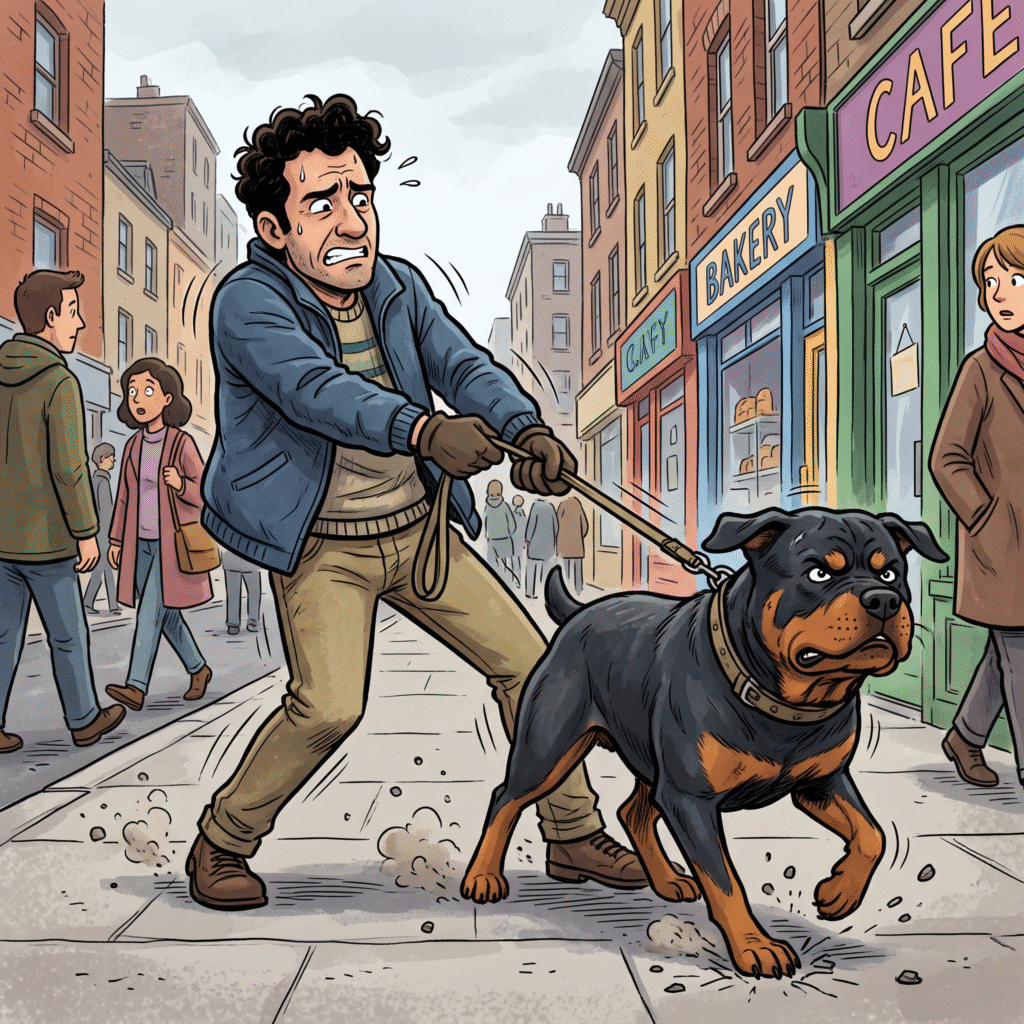
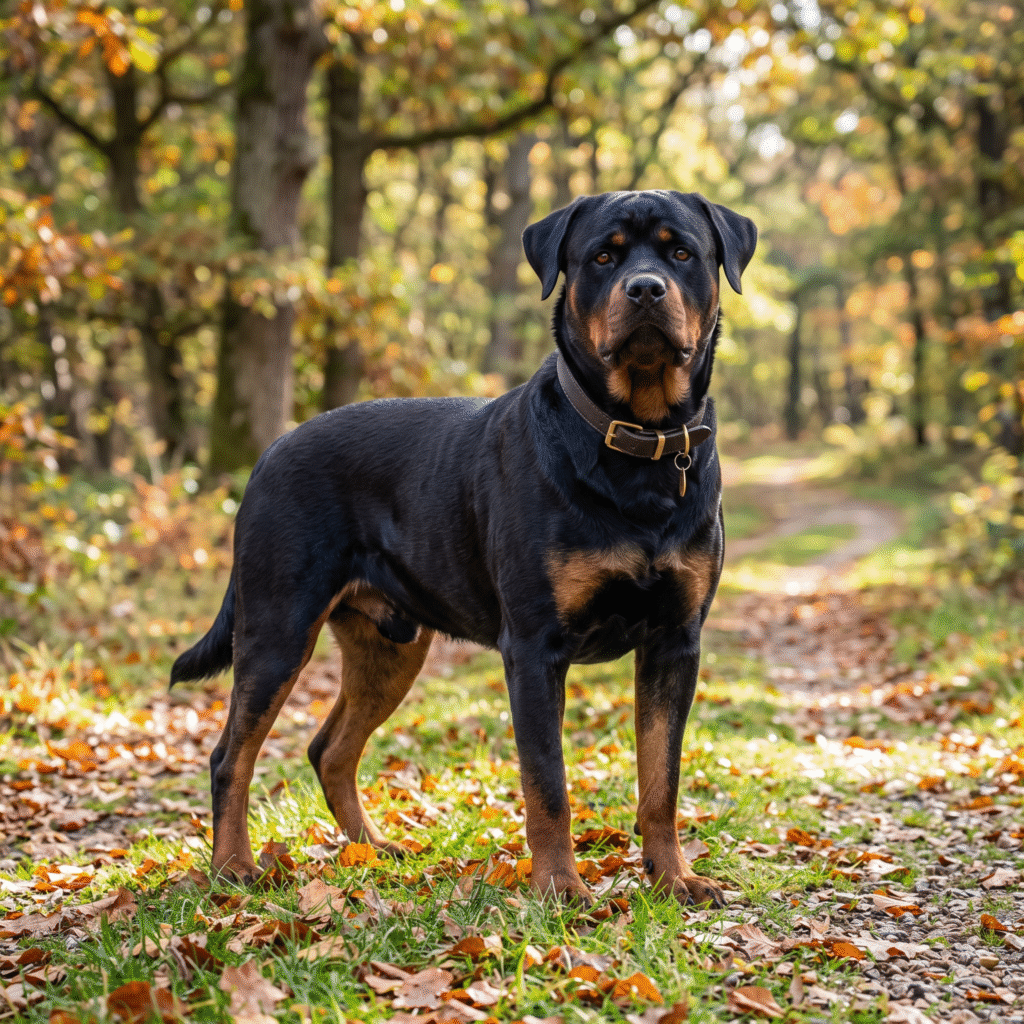
Rottweilers are more than their reputation might suggest. They’re not just big dogs with a strong, imposing appearance. These pooches are intelligent, loyal, and come with a strong work ethic. What they really need is thoughtful guidance and companionship rather than simple harsh handling.
The key to a happy Rottweiler is early socialization and predictable routines. Building a positive relationship can make all the difference for a breed often judged by looks or misinformed stereotypes. When you really get to know them, their true character shines through.
If you’re thinking about training your Rottweiler, take a few things into account. Consider your dog’s age, health, history, and energy levels to set reasonable expectations. Also, if they’ve been through prior training sessions, that’s pretty useful information to have, too.
Spot any signs that your pup might need a little extra help? Don’t hesitate to involve experts like vets, qualified force-free trainers, or veterinary behaviorists. This is especially important if you’re dealing with issues like fear, reactivity, or guarding behaviors. Nobody wants a bite-risk concern lurking around!
Build Trust First: Essential Foundations for Everyday Obedience
Positive training is the backbone of raising a well-behaved Rottweiler. The trick is to use reward-based training, where timely reinforcement and clear cues make learning both safe and motivating. It’s all about building that trust and keeping the vibes positive.
Focusing on early skills sets the stage for successful training. Teaching your dog to respond to their name, pay attention, sit, and stay builds a solid foundation. Skills like recall, leave it, drop it, and walking on a loose leash provide everyday life tools.
Short, frequent training sessions keep it all manageable. It’s important to gradually add distractions in a practical way, inch by inch. Progress shouldn’t be rushed; it’s steady and sure over time.
When it comes to management tools, avoid anything harsh. Always go for humane options. Make sure your fencing is secure and you’re using appropriate collars or harnesses. Supervised interactions help ensure safety, and above all, keep away from punishment-based methods.
Socialize With Purpose: Raising a Calm, Confident Rottweiler in the Real World
Socialization isn’t about forcing your Rottweiler to greet everyone and experience everything all at once. It’s more about positive, controlled exposure. Think of introducing your dog to new experiences as gently opening a door rather than pushing them through it.
Introduce your Rottweiler to visitors, children, other dogs, and traffic in safe, age-appropriate ways. Also, get them familiar with grooming, veterinary handling, and various sounds and environments. This helps them become comfortable and less reactive to the world around them.
Reading your dog’s body language is crucial in the socialization process. Keep an eye out for signs that show whether they’re comfy, stressed, or fearful. Respond before behavior becomes an issue. Dexterity in recognizing these signals can prevent overarousal and unwanted escalation.
Polite greetings and impulse control are vital skills. They help your dog settle in public spaces. Preventing leash reactivity requires a recipe of distance, rewarding good behavior, and gradual practice. This approach supports a calm, focused demeanor while out and about.
Make Training Last: Advanced Skills, Common Challenges, and Lifelong Support
Progressing from home sessions to consistent behavior around distractions is a big leap for any Rottweiler. Focus on using incremental difficulty and consistent reinforcement. These steps ensure reliability, even when the world outside gets a little chaotic.
Jumping, pulling, barking, and chewing are some typical concerns. If these issues crop up, tackle them with proactive strategies. Rely on management-led, humane approaches rather than quick fixes. For behaviors like resource guarding or territorial tendencies, staying ahead of escalation is essential.
Rottweilers are intelligent and thrive with mental stimulation. Scent work, structured fetch games, obedience sessions, and tracking can serve their natural instincts well. Always check with a vet to ensure any fitness activity is suitable for your dog’s health and needs.
Remember, training is a lifelong journey. Refreshers and consistency keep everything on track at home, and record-keeping helps monitor progress. If sudden behavior changes occur or safety becomes a concern, reaching out to professionals is always a good move.
Amazon Associate receives compensation for qualified purchases
Shop Amazon
