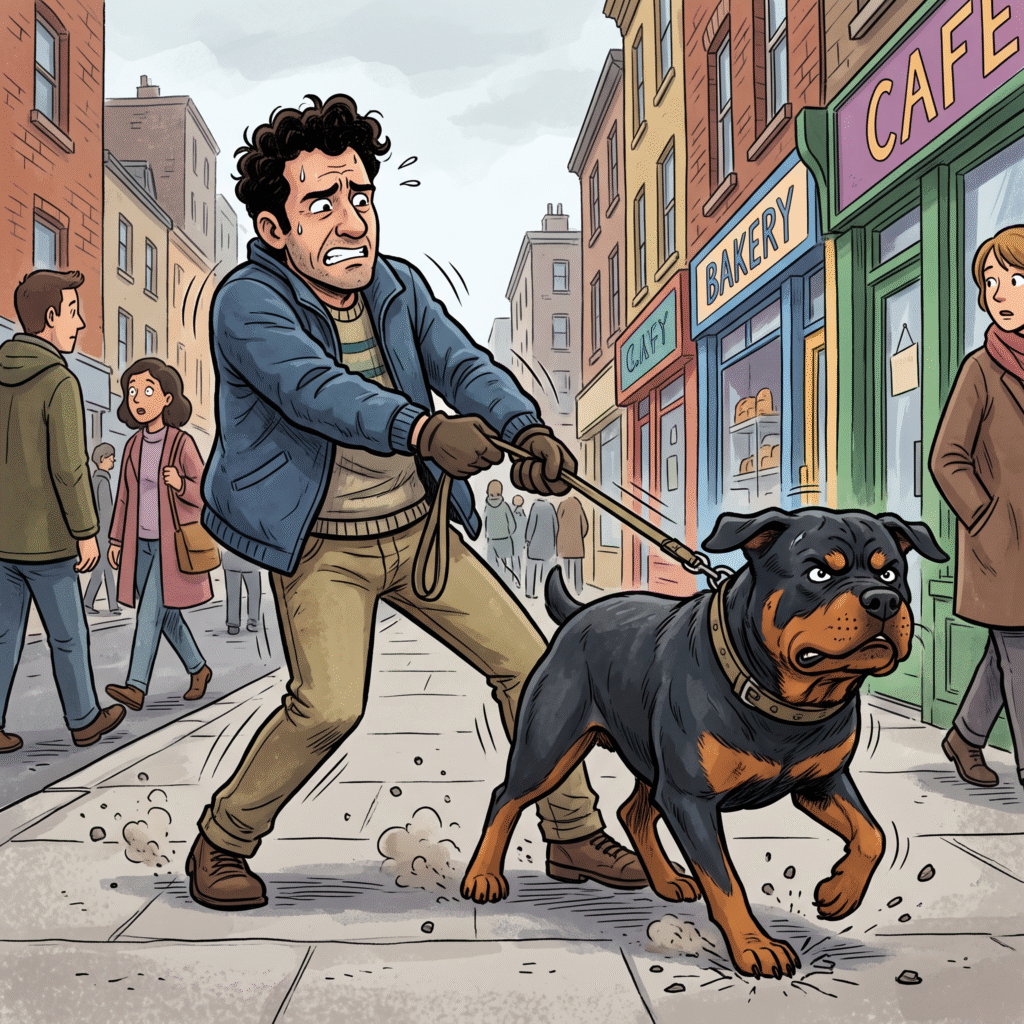
Training A Rottweiler Dog

Rottweilers are more than their reputation might suggest. They’re not just big dogs with a strong, imposing appearance. These pooches are intelligent, loyal, and come with a strong work ethic. What they really need is thoughtful guidance and companionship rather than simple harsh handling.

The key to a happy Rottweiler is early socialization and predictable routines. Building a positive relationship can make all the difference for a breed often judged by looks or misinformed stereotypes. When you really get to know them, their true character shines through.

If you’re thinking about training your Rottweiler, take a few things into account. Consider your dog’s age, health, history, and energy levels to set reasonable expectations. Also, if they’ve been through prior training sessions, that’s pretty useful information to have, too.

Spot any signs that your pup might need a little extra help? Don’t hesitate to involve experts like vets, qualified force-free trainers, or veterinary behaviorists. This is especially important if you’re dealing with issues like fear, reactivity, or guarding behaviors. Nobody wants a bite-risk concern lurking around!

Build Trust First: Essential Foundations for Everyday Obedience

Positive training is the backbone of raising a well-behaved Rottweiler. The trick is to use reward-based training, where timely reinforcement and clear cues make learning both safe and motivating. It’s all about building that trust and keeping the vibes positive.

Focusing on early skills sets the stage for successful training. Teaching your dog to respond to their name, pay attention, sit, and stay builds a solid foundation. Skills like recall, leave it, drop it, and walking on a loose leash provide everyday life tools.

Short, frequent training sessions keep it all manageable. It’s important to gradually add distractions in a practical way, inch by inch. Progress shouldn’t be rushed; it’s steady and sure over time.

When it comes to management tools, avoid anything harsh. Always go for humane options. Make sure your fencing is secure and you’re using appropriate collars or harnesses. Supervised interactions help ensure safety, and above all, keep away from punishment-based methods.

Socialize With Purpose: Raising a Calm, Confident Rottweiler in the Real World

Socialization isn’t about forcing your Rottweiler to greet everyone and experience everything all at once. It’s more about positive, controlled exposure. Think of introducing your dog to new experiences as gently opening a door rather than pushing them through it.

Introduce your Rottweiler to visitors, children, other dogs, and traffic in safe, age-appropriate ways. Also, get them familiar with grooming, veterinary handling, and various sounds and environments. This helps them become comfortable and less reactive to the world around them.

Reading your dog’s body language is crucial in the socialization process. Keep an eye out for signs that show whether they’re comfy, stressed, or fearful. Respond before behavior becomes an issue. Dexterity in recognizing these signals can prevent overarousal and unwanted escalation.

Polite greetings and impulse control are vital skills. They help your dog settle in public spaces. Preventing leash reactivity requires a recipe of distance, rewarding good behavior, and gradual practice. This approach supports a calm, focused demeanor while out and about.

Make Training Last: Advanced Skills, Common Challenges, and Lifelong Support

Progressing from home sessions to consistent behavior around distractions is a big leap for any Rottweiler. Focus on using incremental difficulty and consistent reinforcement. These steps ensure reliability, even when the world outside gets a little chaotic.

Jumping, pulling, barking, and chewing are some typical concerns. If these issues crop up, tackle them with proactive strategies. Rely on management-led, humane approaches rather than quick fixes. For behaviors like resource guarding or territorial tendencies, staying ahead of escalation is essential.

Rottweilers are intelligent and thrive with mental stimulation. Scent work, structured fetch games, obedience sessions, and tracking can serve their natural instincts well. Always check with a vet to ensure any fitness activity is suitable for your dog’s health and needs.

Remember, training is a lifelong journey. Refreshers and consistency keep everything on track at home, and record-keeping helps monitor progress. If sudden behavior changes occur or safety becomes a concern, reaching out to professionals is always a good move.
Amazon Associate receives compensation for qualified purchases

Shop Amazon

What’s A Pomsky Dog

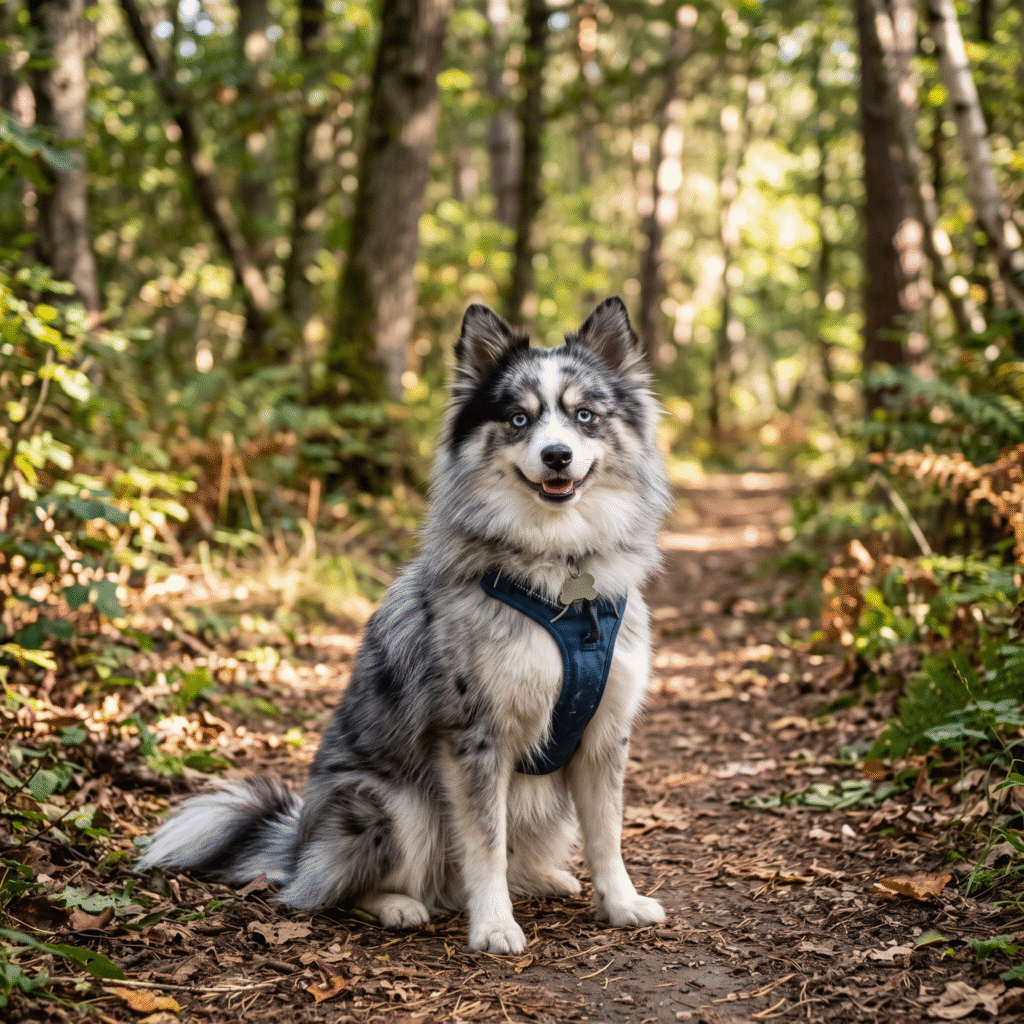
A Pomsky is a lively and captivating mix that comes from breeding a Siberian Husky with a Pomeranian. This isn’t one of those purebred dog varieties but rather a designer dog that’s been intentionally bred for certain traits. Because it’s a mix, a Pomsky’s appearance and personality can sometimes be a surprise, varying quite a bit even between siblings.

When folks picture a Pomsky, they often imagine a tiny Husky, but that’s not always the reality. Since Mother Nature can be quite unpredictable with mixed breeds, Pomskies can look more like one parent than the other or end up somewhere in between. The size can range too, tending toward the smaller side, thanks to the Pomeranian genes, but size and weight can vary quite a bit. Same goes for their coats and temperaments, which might lean more toward the fluffy and cuddly vibes of a Pomeranian or the more energetic and adventurous spirit of a Husky.

It’s easy to get caught up in their visual charm, but it’s worth knowing that being captivated by their looks doesn’t guarantee you a specific personality or even size. Each Pomsky, just like any dog, has its own unique character shaped by both nature and nurture.

This breed appeals to people who love dogs with striking looks and unique, vibrant personalities. They’re becoming the talk of the town, thanks to their appealing presence and spirited nature. Whether you’re a first-time dog owner or a seasoned canine aficionado, there’s a lot to love and consider when it comes to welcoming a Pomsky into your home.

How Pomskies Are Bred—and Why Responsible Breeding Matters

Pomskies bring some challenges to the breeding table, mostly because of the big size difference between the fluffy Pomeranian and the zippy Siberian Husky. To keep it safe and sound, most breeders turn to artificial insemination, making sure the Husky, being larger, is always the mom. This helps prevent complications during pregnancy and birth.

Making sure the puppies are healthy starts with the parents. Responsible breeders will do health testing for both the Husky and Pomeranian involved. This includes checking for common issues like eye problems, heart concerns, and joint health because each breed has their quirks.

To spot a responsible breeder, look for the ones who are more than happy to share health records, answer all your burning questions, and set realistic expectations about what to expect with a Pomsky. They should never promise you specifics about looks or temperament, since these can be a bit of a mixed bag with designer breeds like this.

Red flags to watch out for? Low prices too good to be true, no health documents, pressure to pay upfront before you’ve even had a decent chat, or tall tales about ‘teacup’ sizes or guaranteed traits. Good breeders take pride in their dogs and the work they do and won’t hide anything from you.

Pomsky Personality: Energetic, Clever, and Often Full of Opinions

Pomskies typically come packed with energy and brains, offering bundles of playful curiosity mixed with a little independence, thanks to their Husky and Pomeranian roots. Both parent breeds are known for their high intelligence and love for activity, so expect a dog that needs plenty of mental and physical stimulation.

They might be small in size, but Pomskies can have big personalities. This means they often like to chime in with their vocal cords, giving you their opinion through barks or howls, sometimes at the most interesting times. Keep in mind, their talkative nature is as much about them wanting to chat as it is about being playful and alert.

Interactions with kids and other pets usually go well with Pomskies, especially when introduced properly. Supervision and early, positive socialization are your friends here, helping them understand the difference between friend and foe.

If you’re not into barking contests, it’s good to channel their energy and voice constructively. Engage them with activity toys, challenges, or interactive playtime that caters to their curious minds. Without something to do, they might resort to some unwanted behaviors like digging or chasing.

A Pomsky needs a loving environment that can handle a bit of sass, alongside attention to training and socialization to bring out the best in their vibrant personalities.

Daily Pomsky Care: Exercise, Training, Grooming, and Health

Pomskies require a good mix of exercise and activities every day to keep them happy and healthy. Whether it’s a brisk walk, a playful romp in the yard, or interactive games, keeping them moving is key. Without enough activity, these dogs can get restless and mischievous.

Training is a must for these clever pups. Using reward-based techniques, you can teach them basic commands, set clear boundaries, and work on recall skills. Given their prey drive, it’s a good idea to practice safe management during walks and playtimes.

If after taking a good look at your resources and lifestyle, you feel uncertain, don’t rush into a decision. Consider alternatives like fostering or adopting an older dog from a rescue or consulting with breeders about either parent breed to find a suitable match.

Grooming is an ongoing responsibility due to their beautiful double coats. Regular brushing helps manage shedding, which can get intense, especially when the seasons change. Bathing is only necessary occasionally, but don’t forget about nail trimming, keeping their ears clean, and maintaining dental hygiene to round out their grooming routine. Shaving isn’t recommended, as their coat helps regulate temperature.

Their health is front and center. Pomskies can inherit health concerns from either parent breed, such as dental crowding or eye issues. Regular vet visits and a focus on a healthy diet can greatly reduce problems. Tackling issues early helps maintain a long, joyful life by your side. Pet insurance might be something to consider, just in case the unexpected happens.

Is a Pomsky the Right Dog for You? A Practical Decision Checklist

Choosing a dog isn’t just about admiring cute pictures online. Think long and hard about whether you can meet the needs of a Pomsky for its whole life span, which could be as long as 15 years. Do you have the time for daily walks, training sessions, and trips to the groomer? That stunning coat isn’t going to brush itself.

Budget is another biggie. Beyond the initial cost, factor in the ongoing expenses for good food, grooming, vet visits, and maybe even a pet sitter or walker if you have a busy lifestyle. Pet insurance can be a sound investment against unforeseen vet bills.

Despite their size, Pomskies might not be the ideal fit for apartment living unless you’re really on top of keeping them entertained and exercised. Energetic and intelligent, they require time and space to play and explore. They’re not the kind of dog to be content with short apartment strolls alone. Noise can also be a factor with neighbors, given these pups’ chatty nature.

Meeting an adult Pomsky can give a better sense of adult behavior and needs, so don’t hesitate to ask breeders or rescue groups for face time with these dogs in real life. It’s a great way to see how a dog might fit your lifestyle or family setup.

Amazon Associate receives compensation for qualified purchases
Shop Amazon