Leghorn Chickens

Leghorn chickens have a cool story, hailing all the way from Italy. Originally, these vibrant birds made their way from the sunny climates of Tuscany to the States back in the 1800s. That feel-good immigrant tale helped them grow into a poultry powerhouse worldwide, especially gaining fame for their superb egg-laying abilities.

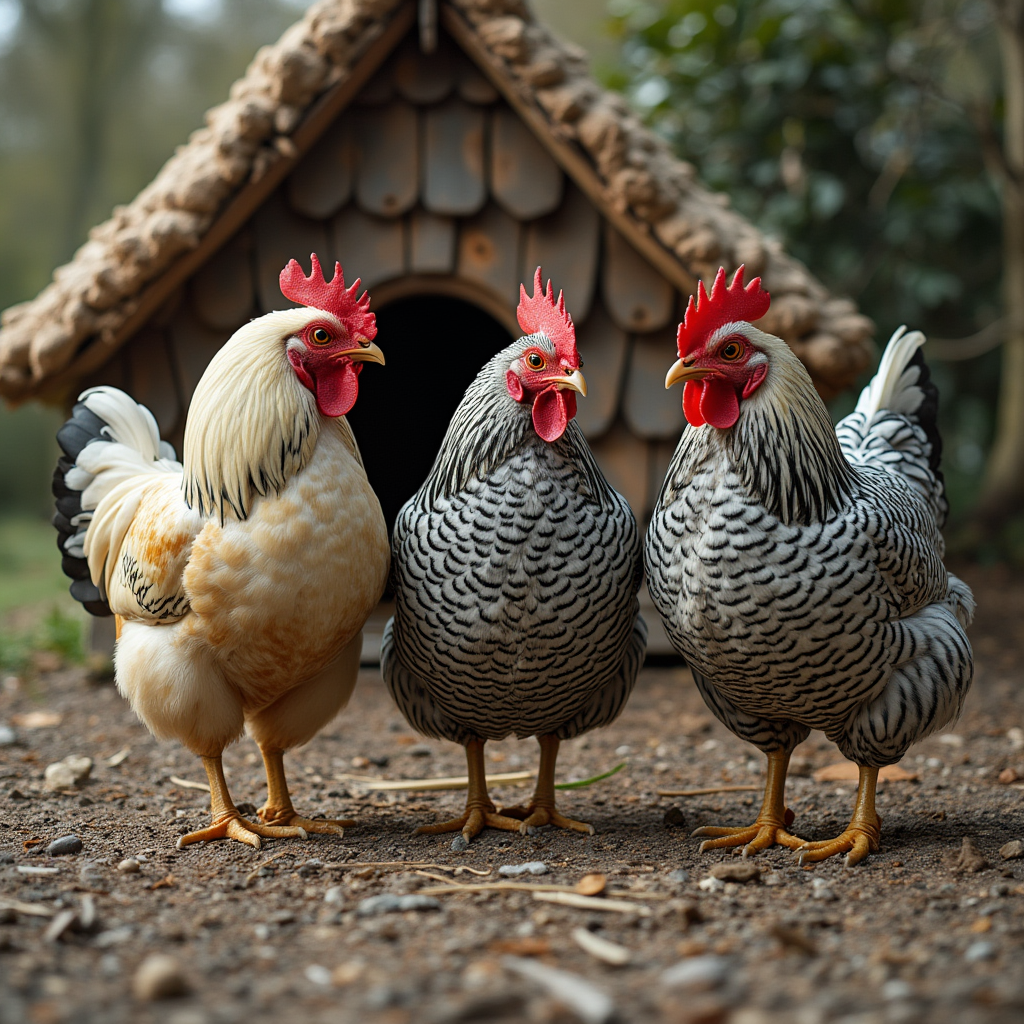
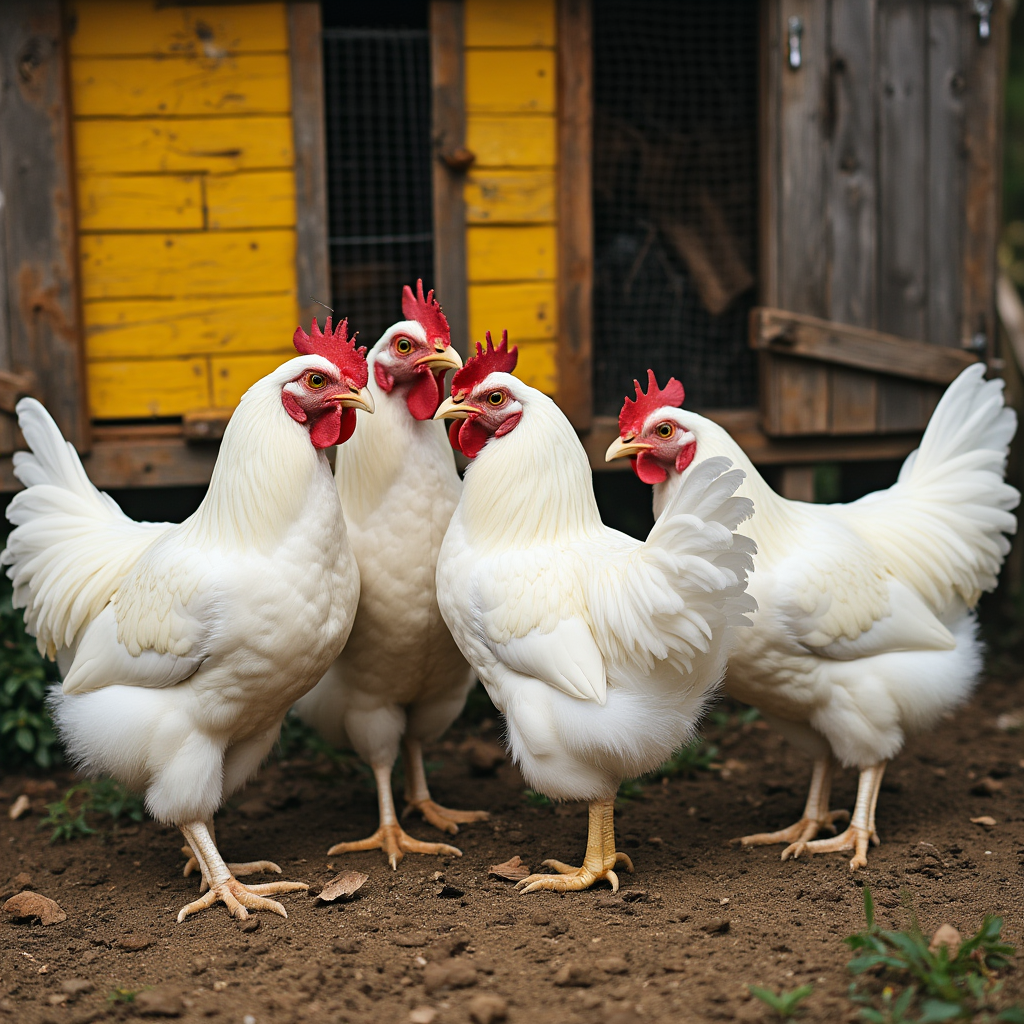
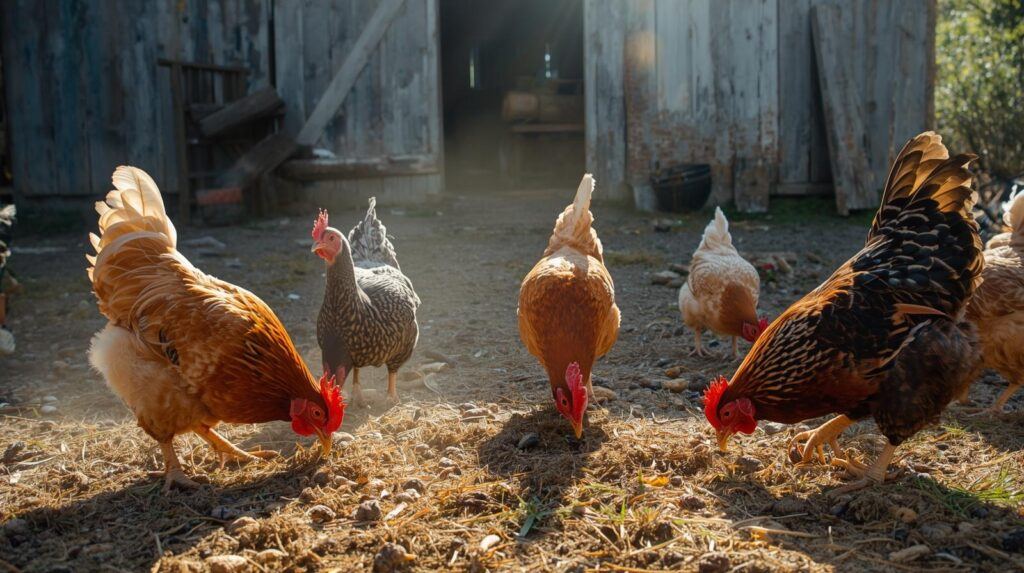
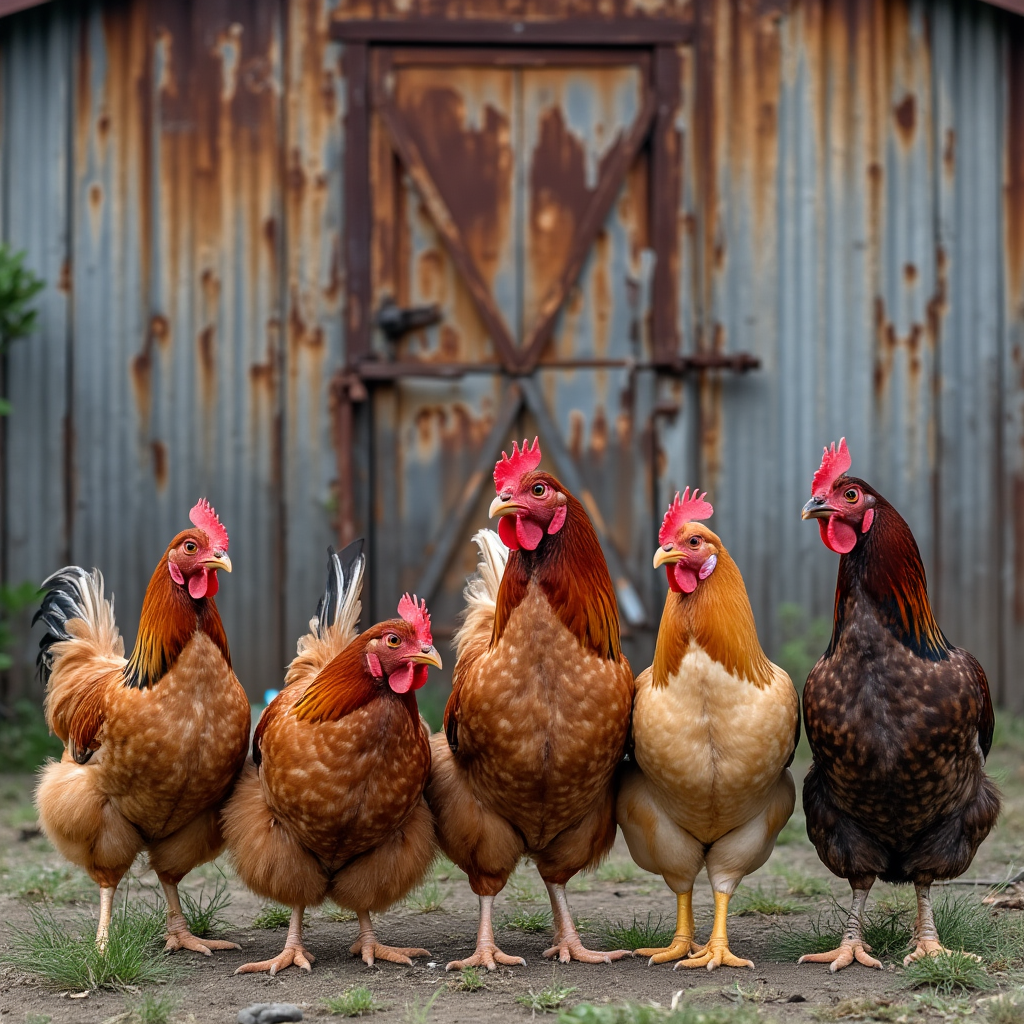
These birds aren’t shy about showing off their distinctive flair. Known for their proud, upright stance and that striking white plumage, Leghorns might just be the supermodels of the chicken world. Plus, with those lively red combs and wattles, they add a splash of color wherever they roam. Whether in backyards or sprawling farms, Leghorns are easily recognized and loved for their unique look and resilience.

It’s not just about looks with these chickens. Their adaptability across diverse climates and strong foraging abilities make them a hit for poultry lovers everywhere. From the backyard in Ohio to large-scale operations in Asia, Leghorns hold a top spot in the hearts of farmers and hobbyists alike.

Leghorn chickens play a pretty big role in the poultry industry, thanks to their prolific egg-laying capabilities. Farmers dig them not just for their reliability but also for their efficiency. This breed’s knack for turning feed into eggs effectively is almost legendary, keeping the breakfast tables stocked and producers smiling.

Characteristics and Care of Leghorn Chickens

Leghorns are not just pretty faces; they pack some unique traits that make them stand out in the coop. They come in several variations, with white being the most famous, but you can sometimes spot a buff, black, or brown too. Their slim but muscular build and sharp eyes give them an alert look, like they’re always ready for anything.

When it comes to meal times, Leghorns perform best on a balanced diet rich in proteins, vitamins, and minerals. Like many champion athletes, they’re big on energy. Offering varied grains, greens, and a constant supply of clean water sets them up to thrive.

Leghorns appreciate their space and a cozy, well-ventilated coop. These active foragers love to roam and explore, so a safe, open area is their happy place. Good shelter keeps them content and productive, protecting them from harsh weather and predators.

Keeping an eye on their health means spotting any signs of common ailments early. Watch for respiratory issues or parasites, and maintain regular checks to keep potential problems at bay. Leghorns are generally hardy, but proactive care keeps them in top form.

Benefits and Potential Challenges of Raising Leghorn Chickens

Choosing to keep Leghorn chickens often comes with a bundle of perks. These birds are phenomenal layers, frequently topping the charts with well over 280 eggs per year. Their white eggs are not just abundant; they’re consistently high-quality and sought-after in markets everywhere. This makes Leghorns a superb choice for anyone focused on egg production, whether at home or in commercial operations.

Leghorns boast a spirited temperament. They’re active and curious, always up to something interesting. For newcomers to chicken-keeping, they’re usually a breeze to care for, given their hardy nature and ability to thrive in various settings. But hey, if you’re hoping for a snugly lap pet, you might want to manage your expectations — Leghorns are more about action than affection.

Like any stars, they do come with their set of challenges. Their active nature sometimes leads them to be flighty and harder to handle if they’re not used to human interaction from the get-go. Building trust takes a little patience, but once established, it sweetens the experience of raising them.

Managing their high-energy levels requires space for them to roam securely to prevent frustration or behavioral issues. Adequate fencing and protection from predators are non-negotiables to ensure they stay safe and sound. Paying attention to these aspects keeps your Leghorns happy and producing at their best.

Wealthy Affiliates

Amazon Associate receives compensation for qualified purchases

Shop Amazon

Raising Chickens

So you’re thinking about keeping chickens, huh? That’s awesome! Whether you’re planning to enjoy fresh eggs every morning, raise them for meat, or simply have some feathered friends roaming your backyard, knowing why you want chickens is a great start. Your purpose will help you make all the other important decisions that follow.

Not all chickens are created equal. From fluffy Silkies that make awesome pets to Rhode Island Reds that are egg-laying machines, there’s a breed out there to match your vibe and needs. Maybe you’ve got kids who’d love cuddly chicks or perhaps you’re in it for the omelets. Get to know the characteristics of different breeds and find your perfect match.

Ready to roll up sleeves and get started? First things first, gather your gear. You’ll need feeders, waterers, and a coop at the very least. Think about the size of your yard, local weather conditions, and how much time you’ve got to maintain it all. It’s like setting up a mini hotel for your feathery pals; aim for comfort and practicality.

Setting Up Your Coop: Creating a Safe and Comfortable Home

A chicken coop isn’t just about a roof and some walls; it’s a sanctuary for your flock where safety and comfort rule the roost. Designing your coop starts with understanding space and safety. Compact yards need smart solutions, while bigger spaces can go all out. Measure right and think fox-proof; it’s their ultimate safe house.

In the world of coop couture, it’s essential to have features that don’t just look great but protect too. Good ventilation is a top feature—trust me—nobody likes a stuffy home. Strong fencing and secure locks are a must, and don’t forget the roosting perches because your feathered friends love hanging out high when they sleep.

Keeping it clean and fresh is non-negotiable. Chickens don’t mind sharing, but they deserve a spotless space. Regular cleaning keeps diseases at bay and your chickens happy. You’ll want to establish a routine—like a coop spring cleaning day every week or so. This way, your flock stays on a health kick and your backyard smells less, well, chicken-y.

Nutrition and Care: Ensuring Healthy and Happy Chickens

Feeding your chickens right is more than tossing them some corn. Let’s talk about ensuring they get a balanced diet. From layer pellets packed with nutrients to fresh veggies as treats, variety keeps them pecking happy. Don’t skimp on good quality feed since it plays a big role in egg health and overall vitality.

Behavioral hiccups happen, like feather pecking or refusing to lay eggs. Knowing what’s normal and what’s not helps you step in at the right time. If aggression becomes an issue, it might be more than just a bad mood, so keep an eye out and ensure your birds have enough space and resources to stay stress-free.

As seasons change, so do your chickens’ needs. During winter, they burn more calories staying warm, so extra food is a wise move. Summer means more fresh water and shade. Understanding these seasonal shifts ensures your flock stays in prime condition, whatever the weather.

Keeping a few health checks in your routine helps spot issues early. Look at their eyes, feathers, and overall behavior. Hesitant pecking or droopy wings? They might be coming down with something. Learn what’s normal for your birds so you can notice when something’s off.

Understanding Behavior and Social Dynamics in a Flock

Chickens aren’t just cluck machines; they’ve got a whole social scene going on. That pecking order you’ve heard about? It’s real and fascinating to watch. Understanding who’s boss and who’s not helps you manage your flock dynamics. A bit of drama in the coop is normal, but it should never escalate to serious bullying.

Chickens need more than just food and shelter; they need entertainment—a little bit of fun keeps them from getting bored and cheeky. Hanging treats, providing dust baths, or even a chicken swing can make their day. These activities keep them busy and prevent boredom, which can lead to picking on each other.

Amazon Associate receives compensation for qualified purchases

Shop Amazon

Best Chicken Breeds

Raising chickens sounds simple, right? But it turns out there’s a whole world of possibilities depending on what you’re looking for. Before you jump into the clucking madness, think about why you want chickens in the first place. Are you dreaming of fresh eggs every morning, or is it the homegrown meat you’re after? Maybe it’s just the idea of having some feathered friends running around your yard. Identifying your main goal makes choosing the right breed a whole lot easier.

Different breeds thrive in different environments. If you’re in a chilly climate, you might need a hearty breed that can stand the cold. Those in hotter regions should keep an eye out for heat-tolerant breeds. Also, consider how much space you have. Some chickens love to roam, while others are content with a smaller patch. And don’t forget about the noise factor – some breeds are quieter than others.

Once you’ve got your initial questions answered, it is time to match your choice to your lifestyle. Busy bee? Go for breeds that are less demanding on the care front. If you’ve got time to spare and enjoy spending it outside, more care-intensive breeds might suit you well. Your daily routine, family dynamics, and how often you’re home all come into play.

Let’s talk about some of the big names in the chicken world. For egg-layers, you’ve got options like the dependable Rhode Island Reds or the prolific Leghorns. If meat’s your aim, breeds like the Cornish Cross come to mind. There are also dual-purpose champs that give you both eggs and meat. Weighing the pros and cons of each based on your purpose is crucial to your poultry plan.

In the end, finding the right chicken breed is about aligning your needs with the strengths of the birds. By considering what you want from your flock and how much you can offer them, you’re already well on the way to chicken success.

Top Chicken Breeds for Egg Production: Maximizing Your Yield

Eggs by the dozen are what many are after when it comes to keeping chickens. When aiming for egg-straordinary productivity, certain breeds naturally stand out. Let’s meet some egg-laying all-stars who are here to fill your basket come rain or shine.

Leghorns have a reputation that precedes them. These birds are like the rock stars of the egg world, laying beautiful white eggs almost daily. Expect high energy and a knack for foraging from these clever creatures. Another top contender, the Rhode Island Red, is celebrated not just for the brown eggs they lay but also for their hardy, easygoing nature. They’re less flighty compared to Leghorns and make great backyard birds.

Each chicken breed brings its own flair in terms of egg color, size, and flavor. While white and brown are common hues, breeds like the Ameraucana lay lovely blue eggs, adding some fun and color to your collection. Flavor can be subjective, but many folks swear by the rich taste of fresh eggs compared to store-bought.

Of course, a steady egg supply comes down to more than the breed itself. Care routines like feeding, providing shelter, and managing stress levels impact their productivity. Make sure they’re getting a balanced diet packed with all the essential nutrients. Eggs are mostly made of protein, so that should be a key component of any layer feed.

Sometimes egg production gets interrupted. That’s when you need to play detective. Molting, where chickens lose feathers, might be a reason for a creative break in laying. Other issues like changes in light or diet can also slow production. Most times, getting back on track is just a matter of making small adjustments in their environment or care.

When choosing your champions for egg-laying, focus on breeds known for productivity, but remember successful egg production requires a good mix of care, environment, and a little chicken wisdom. With the right approach, those hens will be laying plenty in no time.

Meat Chicken Breeds: Breeds Best for Quality and Taste

When it comes to serving up a delicious, homegrown meal, the right chicken breed makes the difference. Some breeds have been specifically nurtured to be meatier and offer a juicy bite. Cornish Cross stands out as a superstar in this category. Fast-growing and hefty, they’re ready for the table sooner than most, which suits those wanting a quick harvest.

If you’re more about rich flavor than just speed, consider the Jersey Giant. These birds take a little longer to mature but offer a superior taste and sizable portions once ready. Patience can be a handy virtue if you’re aiming for quality over quantity.

The journey to high-quality meat also involves knowing your birds’ needs. Feed them properly and make sure they have enough space to move. Exercise doesn’t just keep them happy but also adds to the overall texture and taste of the meat. A comfortable, stress-free environment is key to raising good meat birds.

Sustainable practices ensure your backyard bird farming doesn’t just benefit your dinner plate but also takes care of the environment. By reducing waste, you help maintain balance while raising these birds ethically. Remember, happy chickens mean tasty chickens.

Comparing breeds by growth rate, feed efficiency, and cost-effectiveness helps in decision-making. Some birds eat less and grow bigger, like the Cornish, making them pretty popular amongst meat enthusiasts. With each breed offering a different experience, lining up these factors helps you select your perfect match.

The Dual-Purpose Marvels: Breeds That Offer Both Eggs and Meat

For those who can’t decide between fresh eggs and delicious meat, dual-purpose chicken breeds come to the rescue. These all-rounder breeds give you the best of both worlds, making them a favorite for small-scale farmers and hobbyists alike.

Orpingtons, with their fluffy feathers and gentle disposition, are among the top picks. They lay a good number of eggs and can also be raised for meat. Plus, they’ve got the kind of temperament that makes them easy to manage, even if you’re new to the game.

Plymouth Rocks are another solid choice, sporting a friendly attitude and consistent egg production. Their sizable frame ensures you get a nice bulk of meat as well, making them a family favorite. Whether you’re after eggs or dinner, these birds deliver without fuss.

Balancing between egg production and meat quality means understanding the needs of these versatile birds. They thrive on balanced diets that support both laying and growth. Tailor their nutrition, and you’re setting them up for success in both domains.

Sometimes, the challenge with dual-purpose breeds is maintaining that balance. Overemphasizing one aspect can lead to dips in the other. Keeping an eye on their health and making adjustments as needed keeps everything on track.

Innovative practices like rotational grazing can also help, letting the birds forage naturally while still meeting their dietary demands. This approach not only boosts health but also supports their dual-purpose nature without stressing the birds or the farmer.

King Charles Spaniel

The King Charles Spaniel boasts an illustrious history, capturing the hearts of royalty and commoners alike. Known for their elegant appearance and charming disposition, these little dogs have deep-seated roots tracing back to the elites of European courts. They were often favored companions of royalty, tucked under arms or by the feet of kings and queens alike.

Royal connections are a key chapter in this noble breed’s story. The link to British royalty, especially King Charles II, is well-documented and part of their enduring legacy. King Charles was rarely seen without his beloved spaniels, leading to the breed’s association with nobility and their eventual christening as “King Charles Spaniels.”

An intriguing point of confusion often arises when it comes to distinguishing King Charles from their close relatives, the Cavalier King Charles Spaniel. While similar, each has its own unique traits. This includes differences in size, facial structure, and historical pedigree. The King Charles Spaniel, sometimes referred to just as ‘Toy Spaniel,’ is typically smaller and has a more domed head compared to the Cavalier.

Exploring these elements of their past not only enriches our understanding of their loyal nature but also deepens our connection to them as companions. They carry with them a legacy of elegance mixed with affection, making them standouts in the world of small dogs.

Characteristics and Traits: Why King Charles Spaniels Win Hearts

King Charles Spaniels are undeniably charming, drawing people in with their unmistakable looks and delightful demeanor. Their physical characteristics make them stand out—a compact body, luxurious coat, and that trademark gentle expression. With rich, flowing coats in colors like black, white, and tan, they carry a regal air.

But it’s more than just their looks that have people falling head over heels. These spaniels are known for a friendly and affectionate temperament. They thrive on companionship and are eager to be part of family activities. Whether it’s snuggling on the couch or playing in the park, their easy-going nature and adaptability make them excellent companions for families and singles alike.

Their intelligence and trainability only add to their appeal. These dogs are keen learners and respond well to positive reinforcement. Consistent training sessions can yield great results, as they are eager to please their owners. However, early socialization is key to developing a well-rounded temperament, ensuring they remain sociable and non-aggressive towards other dogs and pets.

With such a perfect mix of looks and personality, it’s no wonder that King Charles Spaniels excel in winning the affections of those they meet. They’re the kind of dog that not only turns heads but melts hearts, embodying all the best aspects of a true canine companion.

Caring for Your King Charles Spaniel: The Essentials

Keeping a King Charles Spaniel in tip-top shape requires caring attention to their dietary and nutritional needs. These pups benefit greatly from a balanced diet rich in lean proteins, healthy fats, and essential nutrients. It’s wise to consult your vet to fine-tune their meals, ensuring your furry friend maintains a healthy weight and a lush, glossy coat.

Exercise plays a crucial role in the well-being of a King Charles Spaniel. While they’re not demanding athletes, regular walks, interactive play sessions, and mental stimulation help keep these companion dogs healthy and happy. Their compact size makes them perfect for indoor games that stimulate their naturally curious minds.

Paying attention to health concerns typical of the breed can significantly prolong their lifespan. Known health issues like heart conditions, ear infections, and eye diseases call for regular vet visits and proactive care. Keeping an eye out for signs of discomfort or unusual behavior ensures they get timely medical assistance, helping them live long, joyful lives.

Prioritize routine grooming to keep their beautiful coats in check. Regular brushing reduces tangles and mats, while proper ear cleaning prevents pesky infections. A clean, well-groomed spaniel not only looks great but feels comfortable and more active. Together, these care rituals forge a bond of trust and support between you and your pet.

The King Charles Spaniel in Modern Culture

King Charles Spaniels aren’t just historic companions; they’re part of modern pop culture too. Spotting these delightful dogs in films, TV shows, and on social media is a testament to their continuing popularity. Their striking looks and lovable nature make them natural stars that capture audiences’ hearts.

Having famous owners has only bolstered the breed’s appeal. Celebrities and influencers who champion these spaniels help spotlight the breed, drawing in new enthusiasts eager to share in the joy of owning such an engaging pet. This visibility elevates their status and highlights their role as beloved companions.

Engaging with the King Charles Spaniel community offers another layer of enjoyment. Joining breed clubs or online forums connects you with fellow Spaniel fans, where you can share tips, experiences, and heartwarming stories. Local meet-ups and dog shows provide opportunities to showcase your furry friend while learning from other owners.

Whether in media, among celebrities, or as part of a lively community, King Charles Spaniels continue to make their mark in modern times. Embracing their role in our lives not only celebrates their charm but strengthens the bonds between humans and these timeless companions.

Crate Training A Puppy

Crate training isn’t just about putting your puppy in a box. It’s about creating a cozy retreat for your furry friend, a place where they feel safe and secure. Dogs are den animals by nature, and the crate taps into this instinctive behavior, giving them a private haven to relax in.

Historically, crate training has been around for quite a while. It’s rooted in giving dogs their own special space, akin to providing a bedroom for a child. The comfort and security they find there often translate to more well-adjusted and calm behavior overall.

A well-planned crate training process can help with everything from house training to reducing separation anxiety. Puppies often find solace in the crate, especially during fireworks or thunderstorms. It becomes their world, where unpleasant sounds and confusion from the outer world melt away.

People often have concerns about crate training, believing it’s cruel or restrictive. The key is making it a positive place. When introduced correctly, with love and care, the crate becomes a positive experience for puppies, not a punishment. So, tossing out those misconceptions, let’s see crate training as a positive, loving process for both you and your pup.

Steps to Choose the Right Crate for Your Puppy

When it comes to crate training, picking the right crate is crucial. Not all crates are the same, and finding one that fits your puppy’s needs can make a world of difference in their comfort and happiness.

Crates come in various types: wire, plastic, and soft-sided each offering distinct advantages. Wire crates provide good ventilation and a clear view for curious pups, while plastic crates offer a solid, den-like atmosphere. Soft-sided ones can be great for travel but might not withstand a playful pup’s enthusiasm.

Getting the size right is super important. A crate should be big enough for your puppy to stand up, turn around, and lie down comfortably, but not so large that it gives them the temptation to use one end as a bathroom.

Safety first! Always check for sharp edges or pieces they could chew through. Some crates come with removable dividers, handy for adjusting the size as your puppy grows.

Don’t forget to consider your budget, but weigh cost against quality. Depending on the material and extras, crates vary greatly in price. A well-made, durable crate might cost more upfront, but it’ll last through all those puppy antics and beyond.

Step-by-Step Process: How to Crate Train Effectively

Introducing the crate to your puppy is all about making it as inviting and appealing as possible. You want it to be associated with positive vibes right from the get-go. Toss in a soft blanket and a couple of favorite toys to start. Leave the crate door open and let your pup explore it voluntarily. Curiosity often leads them to check it out on their own.

Get the crate into your daily routine early. Meal times are a great way to bond your puppy with their crate. Feeding them inside the crate can create a positive connection. And after playtime, a cozy crate with a soft blanket can be the perfect napping spot!

Positive reinforcement works wonders. Reward your puppy each time they go into the crate. Treats are a great motivator, but a little playtime or a belly rub can be just as effective. Avoid using the crate for time outs; it should never be a place for punishment.

Every training journey has its hiccups. Puppies might whine or show hesitation initially. It’s all part of the process. Gentle perseverance and patience are your best friends here. Address setbacks with calm reassurance and slowly increase crate time as your puppy gets more comfortable.

Maintaining a Happy Crate-Trained Puppy: Essential Tips

Day-to-day care for your crate-trained puppy is key to keeping them happy. Make sure the crate remains a pleasant space, freshen up bedding regularly, and check toys for wear and tear. A clean, inviting crate enhances its role as a safe haven.

Watch out for any signs of distress. Puppies might whine or scratch at the crate if something’s off. Quick action can prevent negative associations with the crate. Sometimes, minor adjustments like moving the crate to a quieter spot can do the trick.

Training doesn’t stop once your puppy’s acclimated. As your puppy grows, adapt the crate’s setup to suit their changing size and needs. Continual interaction and time spent together outside the crate strengthens your bond.

Crate training lays a foundation of trust. It’s not the crux of the relationship with your puppy, but it helps in building understanding and routine, which cultivates love and respect in your bond beyond just the boundaries of the crate.

Best Dog Breeds For Seniors

Choosing a pet, especially for seniors, isn’t just a spur-of-the-moment decision. It’s important to think about how a dog’s needs match with the lifestyle of an older adult. This is all about finding the right balance, where the dog’s energy and demands fit seamlessly into the routine and capabilities of its owner.

Having a dog around can be a game-changer for mental and physical health. Just having a pet could reduce stress levels and promote a generally awesome feeling of well-being. There’s something pretty special about coming home to a wagging tail and a bit of furry love, isn’t it? Studies even show that pet ownership can encourage more physical activity, lower blood pressure, and fight that pesky loneliness that often creeps in as we age.

Beyond health benefits, dogs offer that perfect blend of companionship and security. Whether it’s a snuggly lapdog providing comfort or a more vigilant breed keeping an eye out, dogs bring a sense of purpose and safety into the home. Picking the right breed means all these benefits are within reach, tailored to each individual’s unique life circumstances.

Top 5 Dog Breeds Suited for Senior Lifestyles

There’s an ocean of dog breeds out there, but not all are going to be a perfect match for seniors. Some dogs are just naturally more relaxed, loving, and easier to care for, making them great options for older adults who might prefer a calmer companion.

Calm and collected breeds like Poodles and Shih Tzus are favorites. These pups have the kind of temperament that’s perfect for those who enjoy quiet evenings but are also ready to share in a gentle play session. Their low-maintenance nature means seniors can enjoy their company without being overwhelmed.

Then there are the Cavalier King Charles Spaniels, always eager to please and famed for their affectionate behavior. These dogs are known for forming strong bonds with their owners and don’t need a big yard to roam, which makes them ideal for those living in apartments or smaller homes.

Consider the French Bulldog—compact, easy-going, and packed full of charm. They’re less likely to run circles around you with hyperactivity, which helps maintain a peaceful home environment.

Last but not least, don’t overlook the loyal Maltese. While their longer coats require some grooming, their endearing personality and adaptability to a slower pace of life make them a cherished addition to many senior households.

Each of these breeds offers something truly special, from providing companionship to just being that loving presence in everyday life. The trick is finding a breed that aligns with the senior’s lifestyle, offering joy with minimal fuss.

Factors to Consider When Selecting a Dog Breed for Older Adults

When picking out the perfect furry friend, there’s more to think about than just how cute a dog looks. Seniors need to consider several factors to ensure they find a breed that syncs well with their lifestyle. It’s about being practical while aiming for the best companionship experience.

Size is often one of the first things to think about. Smaller dogs might be easier to handle, especially if mobility is a concern. They’re easier to carry, require smaller living spaces, and often travel better for visits to friends or family.

Temperament is another major point. A dog’s personality can significantly impact how harmonious daily life will feel. Breeds known for their docile and gentle nature are typically good matches for older adults who enjoy peace and quiet.

Activity level is key, too. While some seniors enjoy a lively dog that encourages them to stay active, others might prefer a breed that enjoys lazy afternoons just as much as they do. It’s about balancing energy levels so both pet and owner can enjoy their time together.

Grooming requirements also play a part in the decision-making process. Some dogs need frequent grooming, which can be a burden if not factored in beforehand. Choosing a breed with a maintenance level that fits the owner’s routine can help avoid unnecessary stress.

Finally, consider the long-term health prospects and lifespan of the breed. It helps in planning for the future, ensuring that the joy a dog brings remains a lasting one. It’s really about jiving the right characteristics with personal realities and desires, creating a fulfilling and manageable companionship for the years ahead.

Interactive Cat Toys

Cats today have a whole world of fun at their paws, thanks to the boom in interactive toys shaking up the pet industry. At its core, this evolution in cat play is about improving the lives of our feline friends, making sure they get the stimulation they need to stay healthy and happy.

Play isn’t just a fun pastime for cats; it’s crucial for their development and behavior. Regular play strengthens their instincts and keeps them sharp. Without it, cats might get bored or even pick up some unwanted behaviors. Interactive toys come into play here, taking over where a dangling string might fall short.

Traditionally, toys were simple—think balls of yarn or a trusty feather. But with technology’s rapid advancement, we’ve got smarter toys that really engage our cats in ways we never imagined. These modern wonders move, make noise, and sometimes even learn from your kitty’s reactions, keeping things fresh and exciting.

Interactive toys don’t just keep cats entertained; they’re a workout too. A good play session can have your cat jumping, batting, and sprinting around the room, burning off energy and keeping obesity at bay. Mentally, these toys challenge them, making sure those clever little minds keep ticking.

Another amazing benefit? Socialization. These toys often invite humans to join in the fun, enhancing the bond with their pets. Simple activities like chasing the laser pointer or watching a toy wiggle can be a bonding moment, bringing you and your furry companion closer.

Features That Make the Best Interactive Cat Toys: A Guide for Cat Lovers

When picking out the perfect toy for your cat, safety should be the top priority. Opt for toys made from non-toxic materials with no small parts that might break off and become a choking hazard. Durability matters too, especially if your cat loves to pounce and play rough.

Interactive toys have grown smart lately, thanks to technology. From automated movement patterns to toys you can control through an app, there’s a lot out there to excite your cat’s senses. These technological features ensure that playtime remains new and stimulating every single time.

Diving into the types, puzzle toys are great for stretching your cat’s problem-solving skills. On the other hand, robotic toys mimic the unpredictable movement of prey, piquing your kitty’s hunting instincts. And of course, we can’t skip the ever-popular laser toy—engaging for both you and your cat.

Choosing a toy isn’t just about what looks cool or what’s on-trend. Keep your cat’s personality in mind. Not every cat is the same—what excites one might bore another. Observing how your cat plays can give insight into what type of toy will capture their attention the most.

DIY vs. Store-Bought: Weighing Your Options for Interactive Cat Toys

Stuck between crafting your own toys or buying them off the shelf? Both have their perks and it really comes down to what suits you and your feline friend best. Creating DIY toys can be a fun project. Using safe household items like paper rolls or old t-shirts, you can whip up something personal that your cat just might adore.

Nothing beats the convenience of store-bought toys though. They’re designed for safety and are often packed with features that might be tough to recreate at home—like movement sensors or sound effects that a simple homemade toy might not offer.

It’s important to weigh the pros and cons. DIY toys might save some cash, and they offer a chance to customize based on what your cat loves. Store-bought options, however, come vetted for safety and longevity.

Real-life experiences can often be the best guide. Chatting with fellow cat parents or checking out honest reviews online can help in figuring out what really works. Each cat has its own quirks and likes, so a little trial and error might be needed to find that perfect plaything.

Pet Accessories

Finding the perfect accessories for your pet starts with understanding their unique needs. From the curious cat to the playful pup, each pet has its own quirks that influence what they might find cozy or safe. Different species and even breeds have varying requirements. A large dog like a Labrador might thrive with a robust chew toy, while a delicate Persian cat might need a softer touch with plush bedding.

Comfort is key when it comes to pet accessories. Imagine a bed that’s like sinking into a cloud or a cushion that cradles your pet just right. Accessories such as beds, blankets, and cushions are essential for creating a home space where your pet can relax. Just like humans, pets need a spot to recharge, so picking the right materials and size is crucial.

Safety isn’t something to skimp on, especially when it involves our furry friends. Harnesses and leashes are common must-haves, but have you considered a seat belt for your next road trip? Keeping pets secure in a moving vehicle isn’t just smart—it’s essential. Accessories like breakaway collars can also prevent accidents, ensuring safety while allowing for a bit of freedom.

Then, there’s the weather to consider. Cats and dogs feel the cold too, which is where snug jackets and boots come in handy for winter strolls. Alternatively, cooling mats can be a savior during those soaring summer temperatures. Think about the seasons and select accessories that keep your pet comfortable, no matter what the weather throws your way.

Eco-friendly and sustainable materials are an ever-growing trend among pet owners who aim to reduce their carbon pawprint. Finding accessories made with earth-conscious materials not only helps the planet but also ensures that the items are safe and non-toxic for animals. Investing in sustainable choices is a fantastic way for pet owners to extend their love for nature while caring for their pets.

The Role of Pet Accessories in Behavioral and Mental Health

Pet accessories aren’t just about looking cute; they play a massive role in your furry friend’s mental well-being too. Toys, for instance, are not mere distractions but crucial tools in stimulating your pet’s mind. Interactive toys that challenge them – think puzzle feeders for dogs or motion toys for cats – keep boredom at bay and can enhance cognitive development.

Scratching posts and chew toys go beyond being fun; they’re vital for mental health. Cats, in particular, need to scratch for both physical reasons like keeping claws in check, and emotional ones. It helps them de-stress and mark their territory. For dogs, chew toys provide a soothing way to express anxiety and are perfect for teething puppies.

Pets get stressed just like us, and wearable accessories can be a great help. Anxiety wraps and shirts apply gentle pressure, like a comforting hug, calming nervous pets during thunderstorms or fireworks. These accessories can make a world of difference, offering peace to both the pet and the pet owner.

Training gear isn’t just for teaching the basics; it’s for grounding routines that provide structure. Using accessories like clickers and leashes designed for training helps in reinforcing commands and ensures a well-behaved pet. This kind of structured interaction can boost mental health by giving pets a sense of purpose and accomplishment.

To really drive home the impact of accessories on behavior, looking at real-life examples can be a gamechanger. Pet owners have reported significant improvements with behavioral issues like excessive barking or scratching when they integrated the right accessories into their pets’ daily routines. It shows how thoughtful pet accessory choices make a positive difference.

Fashionable Pet Accessories: Style and Expression

When it comes to pet fashion, it’s all about merging style with practicality. From chic collars to eye-catching apparel, pet accessories have become an extension of how owners express their own personal taste through their pets. It’s about making a statement while keeping your pet comfortable and safe.

Pet clothing trends change with the seasons just like human fashion. Think raincoats for drizzly days and snuggly sweaters for cold snaps. While there’s no doubt some might see these as an indulgence, it’s all about balance. Functionality is key, so choosing items that are easy to put on, comfortable for the pet, and serve a purpose beyond looks is essential.

For some, pet accessories are a way to showcase some personality. Trendy bandanas, bow ties, or themed outfits allow pets to partake in festivities, whether it’s a Halloween costume or a Christmas sweater. These fashion statements can be a fun way to involve pets more in family events and spread a little joy.

The rise of social media fame among pets has certainly fueled the pet fashion world. Owners often use style as a way of adding a unique flair to their pet’s online persona. However, it’s important to consider how these fashion choices affect the pet’s well-being. The goal should always be comfort first, ensuring clothing is not restricting movement or causing irritation.

Accessorizing pets isn’t without debate, but it can certainly be a rewarding way to bond with your furry friends. The trick is to keep their needs front and center, opting for fashion items that complement their natural temperament and lifestyle. After all, the best accessory any pet can have is a happy, loving environment.

Regular Healthcare

Ever wondered why that regular vet visit is such a big deal? It’s not just about keeping shots up-to-date. It’s an opportunity to catch potential health issues early and ensure your pet is growing and developing properly. Plus, your vet can offer personalized advice on diet, exercise, and more based on your pet’s specific needs.

Vaccinations aren’t just some yearly hassle. They play a crucial role in building your pet’s immune defenses. Without them, your furry friend is at risk for some nasty diseases. There’s also preventive care like deworming and flea protection to keep those pesky parasites at bay.

Feeding your pet isn’t as straightforward as grabbing the cheapest bag of kibble from the store. You want to think about the nutritional content and tailor it to suit your pet’s dietary needs. This means considering their species, age, and any specific health conditions. Water’s equally crucial, don’t forget about clean, fresh hydration.

Ever noticed how a walk or play session can lift your pet’s spirits? Exercise isn’t just about burning calories; it helps regulate mood and keep their body systems humming smoothly. From fetch to a walk in the park, it’s all important.

Emotional health matters just as much as physical health. Stress and anxiety aren’t just human problems. Pets can feel anxious, too, whether it’s the neighbor’s firecrackers or a change in routine. Recognizing these signs can prevent bigger behavioral problems. Mental stimulation is key, and toys or problem-solving games can be perfect for busting boredom.

Just like humans, pets face various health challenges. Some are common and easily treatable, while others might be breed-specific. Knowing the usual suspects like dental issues or skin conditions helps in keeping an eye out for symptoms.

Preparation is key, especially in emergencies. Having a pet emergency kit ready means you’re not caught off guard. This includes knowing the signs of a health crisis like sudden lethargy or labored breathing and when to hit the clinic. Don’t wait until it’s too late to seek help.

Good pet care isn’t just about the now, it’s about setting the stage for years of companionship. Owning a pet is a responsibility that includes understanding the financial aspect – vet visits, food, grooming – all add up. But the joy of a healthy, happy pet? That’s priceless.

Want to learn more? Tons of resources are out there, from books to online forums, helping you stay educated on your pet’s needs. Building that connection with your pet is like growing a lifelong friendship.

German Shepherd

German Shepherds, often called GSDs, have a rich heritage that traces back to late 19th-century Germany. Bred originally for herding and guarding sheep, this breed was designed for work and loyalty, making them exceptional companions as well as working dogs.

Standing out in the crowd with their distinct looks, German Shepherds possess a commanding presence. Their medium to large stature, powerful build, and keen gaze with erect ears make them easily recognizable. The classic black and tan coat is often what you picture, though they come in other varieties like sable and all-black. Their double coat helps them adapt to different environments, perfect for various climates.

With intelligence that lands them among the top three smartest dog breeds, German Shepherds aren’t just book-smart—they’ve got the street smarts too. They are loyal, courageous, and sometimes downright protective of their families. This loyalty can be both endearing and challenging. They’re known for being confident and self-assured, but with confidence comes their need for strong leadership and guidance from their human companion.

Beyond their strength and intelligence, German Shepherds have a softer side. They often form strong bonds with family members, making them affectionate and great with kids when socialized properly. Their drive to work and please their owners means they thrive on tasks and training challenges, often excelling in obedience, agility, and protection work.

Training and Living with a German Shepherd

Training a German Shepherd can be an adventure. With their high intelligence, they pick up commands quickly, but they also need a challenge to stay engaged. Consistent training from a young age is key. Use positive reinforcement techniques like treats and praise instead of harsh corrections to keep them motivated and enthusiastic about learning.

Living with a German Shepherd means embracing their high energy. These dogs require regular physical activity to keep them happy and healthy. Long walks, runs, or play sessions in a fenced yard can help burn off some of that energy. Mental stimulation is just as important as physical exercise, so puzzle toys and interactive games can work wonders.

Setting up a warm and encouraging home environment strengthens your bond with your German Shepherd. Socialization is crucial, starting as early as possible to teach them how to interact with people and other animals. The more experiences you expose them to, the more adaptable and well-rounded they’ll be.

Remember, German Shepherds love to feel a part of the family. Involve them in daily activities and give them a place to hang out with the family rather than leaving them alone for long periods. This nurturing approach develops their best qualities while minimizing unwanted behaviors.

Health and Wellbeing of German Shepherds

Keeping your German Shepherd in tip-top shape means understanding their specific health needs. They are generally healthy dogs, but there are a few common concerns like hip dysplasia and degenerative myelopathy you should watch for. Early detection through regular vet visits can help manage them effectively, keeping your furry friend happy and comfortable.

A balanced diet is vital to maintain their optimal health. High-quality dog food that meets their nutritional needs will support their active lifestyle. They thrive on a diet rich in protein with a balanced mix of fats and carbohydrates. Make sure to adjust meal portions based on their activity level to prevent weight issues.

The bond between a German Shepherd and their family is special. These dogs are often fiercely protective yet gentle, forming deep connections with their companions. They prove time and again that whether they’re part of the family, working in a professional capacity, or competing in a ring, German Shepherds are an exemplary breed full of heart and skill.

Routine vet check-ups are more than just a jab with a needle. They help ensure vaccinations are up to date and manage any emerging health conditions before they become significant problems. Don’t forget, your vet is also a great source of advice on maintaining oral health, preventing flea infestations, and more!

Staying proactive with preventative care means more years of enjoyment with your German Shepherd. Regular grooming sessions contribute to their wellbeing and serve as an extra opportunity to check for abnormalities like lumps or skin problems. Plus, those grooming sessions are yet another way to bond with your loyal buddy, showing them the care and love they deserve.

Exploring the Versatility of German Shepherds

German Shepherds aren’t just family pets; they often find themselves in heroic roles. They’re staples in law enforcement units around the world thanks to their intelligence, agility, and loyalty. Whether it’s tracking down a suspect or sniffing out dangerous substances, these dogs excel in high-pressure scenarios.

Their versatility extends beyond police work. These dogs make remarkable service animals for individuals with disabilities. Their ability to learn commands and navigate complex situations makes them perfect companions to people who need help with daily tasks, enhancing their independence.

If you’re considering a more competitive route, German Shepherds often shine in dog sports and shows. Their natural athleticism and eagerness to please give them an edge in agility and obedience competitions. Participating in these events can be a fulfilling way for both you and your dog to channel their energy into something rewarding.

Amazon Associate receives compensation for qualified purchases

Shop Amazon