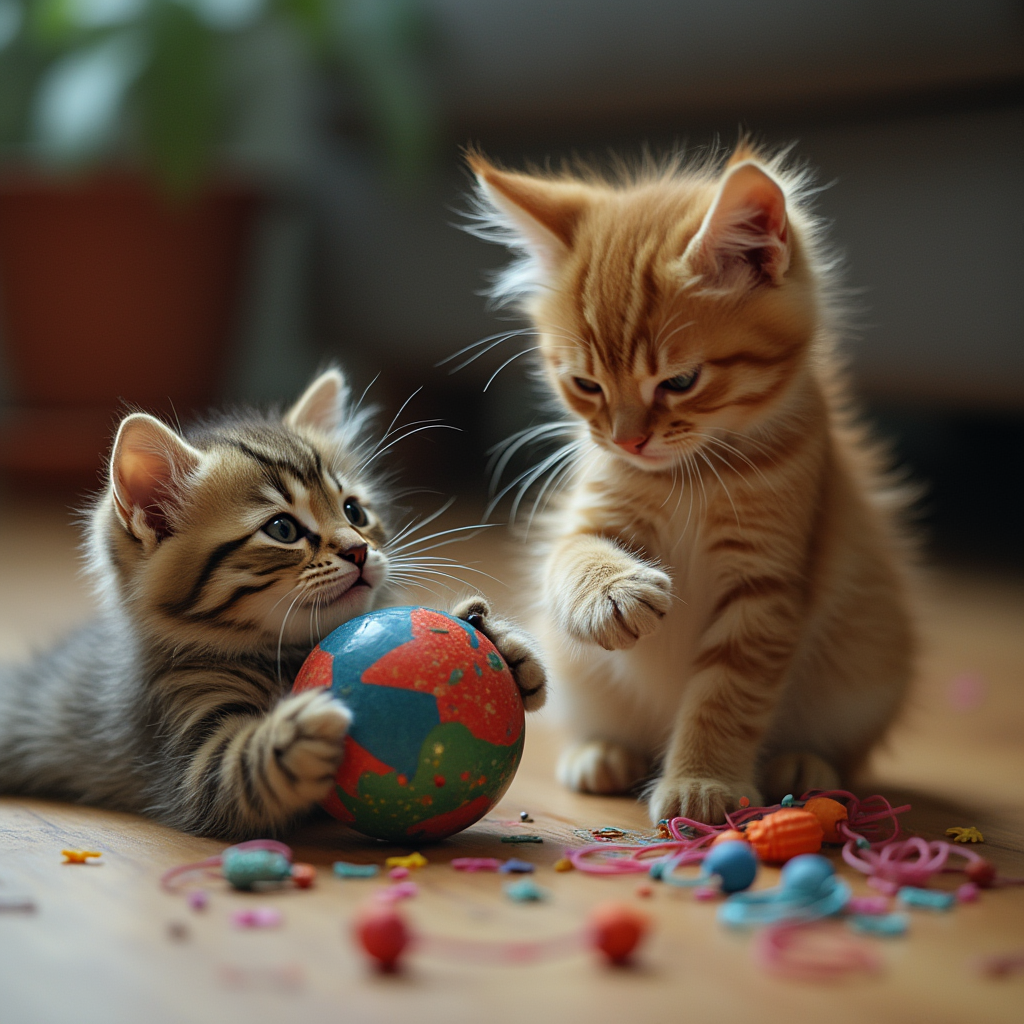
Cats today have a whole world of fun at their paws, thanks to the boom in interactive toys shaking up the pet industry. At its core, this evolution in cat play is about improving the lives of our feline friends, making sure they get the stimulation they need to stay healthy and happy.
Play isn’t just a fun pastime for cats; it’s crucial for their development and behavior. Regular play strengthens their instincts and keeps them sharp. Without it, cats might get bored or even pick up some unwanted behaviors. Interactive toys come into play here, taking over where a dangling string might fall short.
Traditionally, toys were simple—think balls of yarn or a trusty feather. But with technology’s rapid advancement, we’ve got smarter toys that really engage our cats in ways we never imagined. These modern wonders move, make noise, and sometimes even learn from your kitty’s reactions, keeping things fresh and exciting.
Interactive toys don’t just keep cats entertained; they’re a workout too. A good play session can have your cat jumping, batting, and sprinting around the room, burning off energy and keeping obesity at bay. Mentally, these toys challenge them, making sure those clever little minds keep ticking.
Another amazing benefit? Socialization. These toys often invite humans to join in the fun, enhancing the bond with their pets. Simple activities like chasing the laser pointer or watching a toy wiggle can be a bonding moment, bringing you and your furry companion closer.
Features That Make the Best Interactive Cat Toys: A Guide for Cat Lovers
When picking out the perfect toy for your cat, safety should be the top priority. Opt for toys made from non-toxic materials with no small parts that might break off and become a choking hazard. Durability matters too, especially if your cat loves to pounce and play rough.
Interactive toys have grown smart lately, thanks to technology. From automated movement patterns to toys you can control through an app, there’s a lot out there to excite your cat’s senses. These technological features ensure that playtime remains new and stimulating every single time.
Diving into the types, puzzle toys are great for stretching your cat’s problem-solving skills. On the other hand, robotic toys mimic the unpredictable movement of prey, piquing your kitty’s hunting instincts. And of course, we can’t skip the ever-popular laser toy—engaging for both you and your cat.
Choosing a toy isn’t just about what looks cool or what’s on-trend. Keep your cat’s personality in mind. Not every cat is the same—what excites one might bore another. Observing how your cat plays can give insight into what type of toy will capture their attention the most.
DIY vs. Store-Bought: Weighing Your Options for Interactive Cat Toys
Stuck between crafting your own toys or buying them off the shelf? Both have their perks and it really comes down to what suits you and your feline friend best. Creating DIY toys can be a fun project. Using safe household items like paper rolls or old t-shirts, you can whip up something personal that your cat just might adore.
Nothing beats the convenience of store-bought toys though. They’re designed for safety and are often packed with features that might be tough to recreate at home—like movement sensors or sound effects that a simple homemade toy might not offer.
It’s important to weigh the pros and cons. DIY toys might save some cash, and they offer a chance to customize based on what your cat loves. Store-bought options, however, come vetted for safety and longevity.
Real-life experiences can often be the best guide. Chatting with fellow cat parents or checking out honest reviews online can help in figuring out what really works. Each cat has its own quirks and likes, so a little trial and error might be needed to find that perfect plaything.








 The world of dog nutrition isn’t one-size-fits-all, especially when