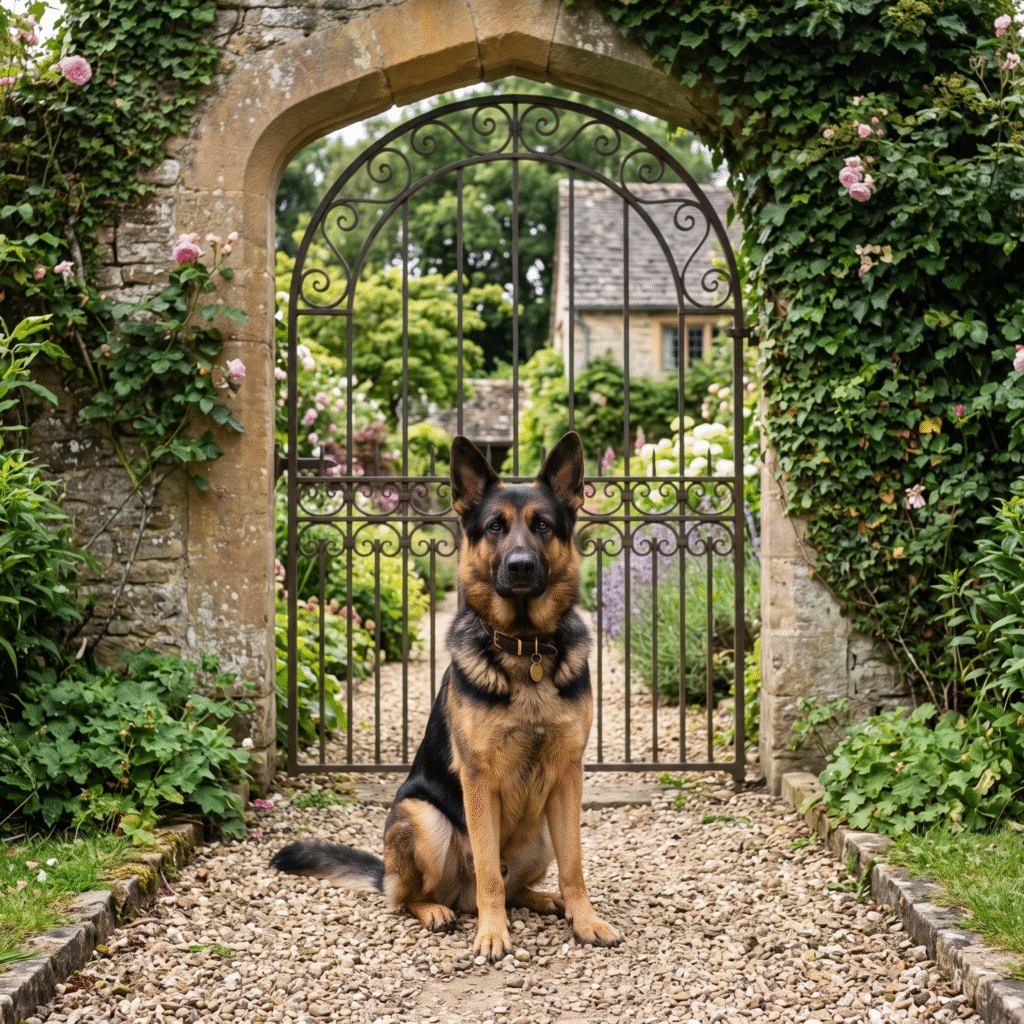
When we’re talking about keeping your home safe, having a reliable watchdog can be a game-changer. Dogs have been our guardians for centuries, and knowing what makes a great watchdog is the first step in choosing the right furry defender for your family.
At the top of the list is loyalty and protection instinct. A good watchdog knows its purpose is to keep an eye on things and bark at any hint of trouble. It’s not just about having a big bark though. Temperament is crucial—these dogs need to be calm and confident, not overly aggressive, to avoid unnecessary risks.
Behavior is another biggie. You’ll want a pup that’s alert but not anxious, quick on its paws but not nervous. Thoughtful training can help iron out the wrinkles in behavior, molding an enthusiastic pup into a composed protector.
Training is where it all comes together. A well-trained dog isn’t born overnight. It needs consistent, structured guidance from you or a professional. Yes, time and effort are key here, but the payoff is a reliable companion who’s got your back.
Ultimately, the traits of a watchdog boil down to a balance between vigilance and restraint, needing both to be effective. Assessing these qualities thoroughly ensures you’ll find a breed or individual dog that seamlessly fits into your life while keeping you safe.
Top Watch Dog Breeds: Expert Evaluations and Insights
Picking the right watchdog breed is a bit like finding a new best friend who also happens to keep an eye on your house. Some breeds have those star qualities like loyalty, intelligence, and protective instincts bred right in. Not every dog fits every home, though, so matching up those traits with what you need is vital.
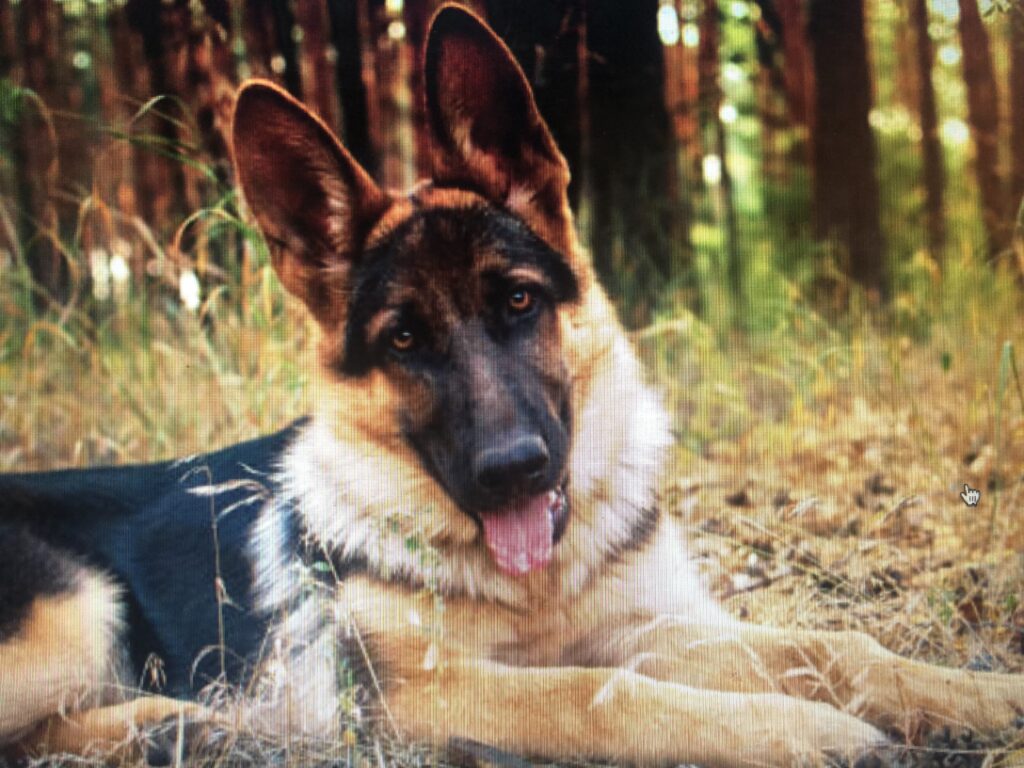
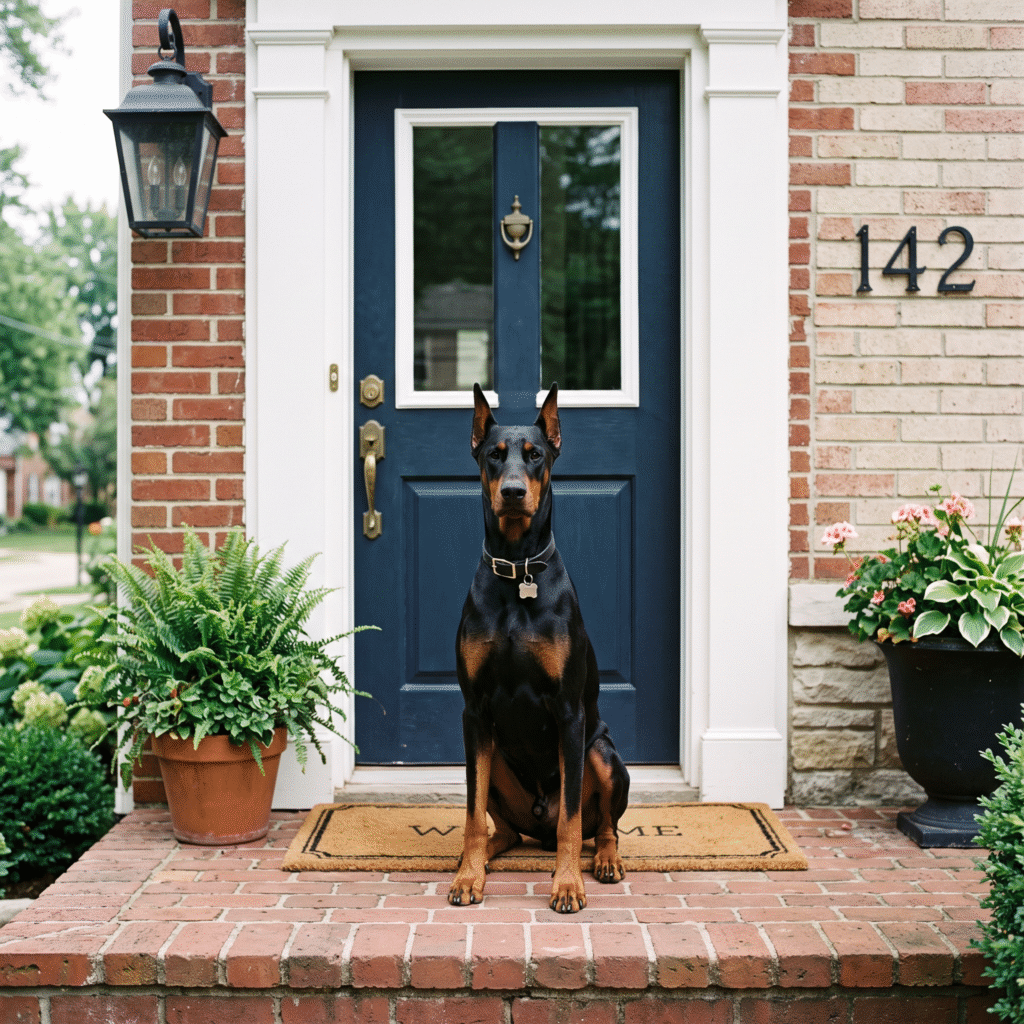
Experts often rave about breeds like the German Shepherd, known for its brains and bravery, and the Rottweiler, a powerhouse of muscle and loyalty. Then there are the Doberman Pinschers with their sleek looks and quick minds, often landing on top watchdog lists for all the right reasons.
But don’t sleep on lesser-known but effective breeds. Dogs like the Belgian Malinois or Bullmastiff might not grab the headlines, but they pack a punch in the watchdog world. They’ve got just the right blend of agility and protectiveness to handle most jobs.
Each breed comes with its own mix of strengths and quirks, so doing your homework is key. Some might shed like it’s going out of fashion or need more exercise than you’re prepared to give. Listen to what the experts say about these breeds and take it from there—choosing a watchdog is a big deal and deserves careful thought.
Finding the best fit means thinking beyond the breed stereotypes. Every dog is an individual, after all, with unique needs and personalities. Weigh what the experts say with your gut feelings and specific needs to find the right match that fits both the home vibe and security needs.
Training Tips: How to Transform Your Dog into the Ultimate Protector
Training a watchdog isn’t just about teaching it to bark on command. The true art lies in creating a protective partner who knows when to raise the alarm and when to hang back. Whether you’re an experienced dog handler or a newbie, professional training advice can make a huge difference.
You’ve got two main paths here: hiring a pro or going the DIY route. Pros know their stuff and come equipped with techniques that can ramp up your dog’s skills in no time. But if you’re game, training at home can build a super-strong bond, making your dog more attuned to your cues.
Socialization should top your list. A well-rounded watchdog knows when something’s amiss, not when the mailman shows up. Keep your dog exposed to different situations, people, and environments to develop a keen sense of judgment.
You can’t overstate the value of obedience training. It’s the backbone of a good watchdog. Commands like “stay,” “come,” and “leave it” prove invaluable when instincts kick in. Start simple, keep it consistent, and reward good behavior to keep progress rolling.
Watch out for common mistakes—like neglecting mental stimulation or skipping exercise. Both can make a dog overly anxious or poorly behaved. Balance is key: engage their minds with puzzle toys and their bodies with regular play.
Caring for Your Watch Dog: Essential Health and Wellbeing Guidelines
Keeping your watchdog in tip-top shape isn’t just about feeding kibbles and bits. Get ready to dive into the nitty-gritty of health and wellness to ensure your furry guardian stays sharp and happy.
Let’s talk chow. Active watchdogs need top-notch nutrition to fuel their day. Think about high-quality proteins and nutrients that support muscle and joint health for all that running and jumping. Special diets might even come into play for breeds with unique needs.
Exercise? It’s non-negotiable. A bored watchdog isn’t a happy one. Regular exercise routines maintain stamina and focus, so your dog stays ready to respond when needed. Mix up physical activities with mind games to keep boredom at bay.
Routine health check-ups are a must. Regular vet visits for screenings can catch issues before they become big problems. Keep an eye on weight, dental health, and parasite prevention to head off any health hiccups before they happen.
Balancing work and relaxation helps prevent burnout. Yes, dogs can burn out too! Making enough time for rest and play nurtures their mental health and keeps them well-adjusted and responsive, ensuring they’re not just protectors but happy family members too.
The Human Side of the Watch Dog Equation: Safety, Responsibilities, and Legal Considerations
Owning a watchdog isn’t just about the security they offer. It’s about understanding the wider responsibilities and implications that come with it. Knowing your role in this partnership is crucial for ensuring everything goes smoothly and safely.
First off, let’s touch on the legal side of things. Certain areas have regulations about owning specific breeds considered potentially dangerous. It pays to know local laws before you commit to a watchdog. Being informed helps avoid unnecessary legal tangles down the road.
Creating a safe environment is vital. A watchdog needs clear boundaries to distinguish between friend and foe. Proper fencing and identification tags can make a world of difference in helping your watchdog do its job effectively.
Owning a protective breed means stepping up to some serious ethical considerations. This isn’t just any pet—it’s a guardian. You’re responsible not just for their training, but also for appropriate behavior towards others. Keeping control and ensuring they don’t react aggressively is part of the package.
Having a plan for emergencies is just smart. If something goes wrong, like your dog biting someone, you need to know what steps to take. From medical attention to contacting your insurer, being prepared is better than caught off-guard.
Balancing the watchdog’s role with family life—keeping the humans in your home safe while ensuring your dog follows the rules—requires effort and understanding. With the right approach, your watchdog can enrich your life while providing peace of mind.
Amazon Associate receives compensation for qualified purchases