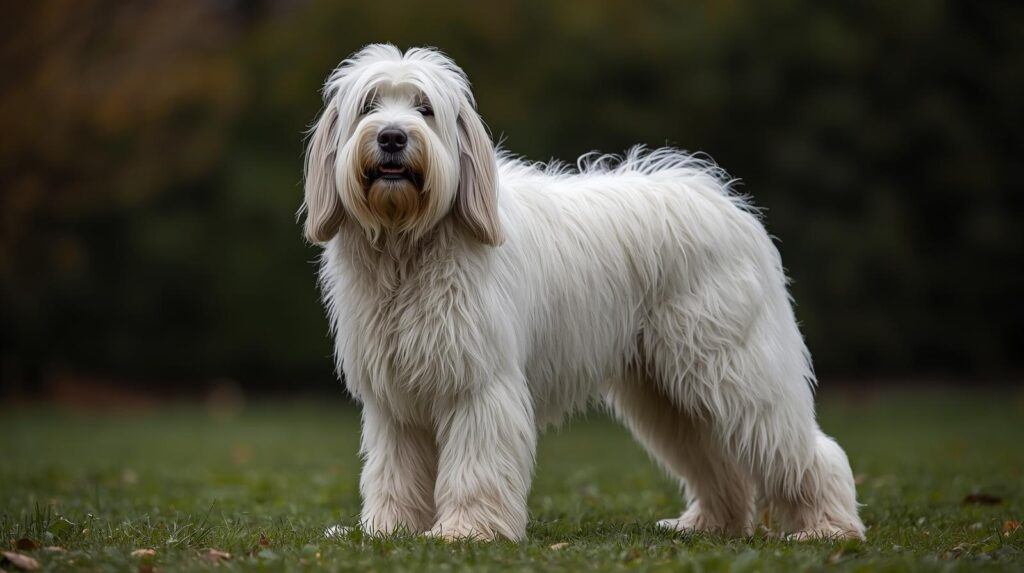
The Komondor is a dog straight out of antiquity, with its roots buried deep in the history of Hungary. Traditionally, these dogs were trusted guardians of flocks, their primary role being to shield livestock from predators. Their lineage paints them as protectors with an innate sense of duty and bravery, making them a remarkable breed.
This isn’t your average pup, visually or otherwise. The Komondor’s coat is its standout feature—a mop-like, corded mass that isn’t just for style points. These cords form naturally as the dog matures and serve the practical purpose of disguising them among sheep, not to mention an effective deterrent against bites in tussles with predators.
Personality-wise, Komondors are known for their intelligence and independence. They’re often described as being quite reserved with strangers but fiercely loyal to their family. This means they’re not the type to waste their energy on frivolous barking or misbehavior. They’re all about vigilance and taking their job seriously.
The historical duties of Komondors resonate in today’s world too. Whether on a farm or in a suburban setting, they maintain their guardian instincts. While they’re more likely to lounge around as a laid-back family member now, their legacy as guardians is ever-present in their steadfast demeanor and protective nature.
Understanding the Komondor’s Care Needs
Caring for a Komondor often starts with its most iconic feature: that fabulous corded coat. Managing these cords is a commitment, no two ways about it. Regular care is crucial to keep the cords from matting, which means dedicated grooming sessions. It’s not about a quick brush—each cord needs attention, from roots to tips, to keep them healthy and neat.
Beyond grooming, nutrition plays a big part in your dog’s well-being. Komondors thrive on a balanced diet that supports their active lifestyle and maintains their energy. Options abound, but choose high-quality food that’s packed with the right nutrients and consult with a vet to ensure it’s the best fit for your individual dog’s needs.
Finding a reputable breeder is just as important as handling care requirements. The right breeder will prioritize the health and temperament of their dogs, offering transparency in medical history and living conditions. On the flip side, adoption is a fulfilling option that gives a home to a dog in need. Whichever path you choose, ensuring your Komondor comes from a responsible source is a step in the right direction.
Then there’s keeping both body and mind busy. These dogs are not meant to be couch potatoes. Regular exercise is a must, alongside mental activities to challenge that sharp mind. Whether it’s a spirited game, a training session, or just exploring different environments, mixing it up keeps them happy and healthy.
Komondors, like any breed, have their own set of health concerns. A visit to the vet should be more than just when something goes wrong. Establish a routine check-up schedule to nip any potential issues in the bud. Common health areas to monitor might include hip health and vision, common concerns for many larger breeds. Being proactive is the key to ensuring your Komondor leads a long, healthy life.
Building a Bond: Training and Socialization
Training a Komondor is like steering a ship with a strong current. Their independent streak is legendary, but so is their intelligence. A structured yet flexible training approach works best, with positive reinforcement leading the charge. Keep sessions engaging and varied to hold their interest and leverage their natural eagerness to learn.
Socialization is about connecting your Komondor to the world around them. These experiences help shape their behavior towards new faces, both human and canine. Starting young is key, but it’s never too late to introduce them to diverse environments and situations. The aim is a confident, well-rounded dog that navigates the world with ease.
Challenges? Yeah, they’re part of the package. Patience and consistency are your best allies. These dogs can be stubborn, so maintaining an encouraging environment where good behavior is rewarded is critical. Avoid harsh corrections, as they can shut down this sensitive breed’s willingness to cooperate.
Adventures with a Komondor are just as important as the daily routine. Activities like agility courses, obedience training, or even playful romps in open spaces provide the perfect outlets for their energy and intelligence. It’s not solely about wearing them out physically, but also about engaging that clever mind of theirs and strengthening your bond.
Making the Decision: Is a Komondor Right for You?
Jumping into life with a Komondor comes with its deliberations. This breed’s unique requirements mean contemplating if you’re up for the commitment. Daily grooming, consistent training, and ample exercise are part of the package, so being prepared is half the battle won.
Household dynamics play a role. If you’ve got kids or other pets around, it’s worth noting that Komondors can be great companions with the right socialization. They’re usually gentle giants with the little ones, but it’s vital to supervise interactions to set the ground rules for both parties.
Being financially ready is crucial too. Consider ongoing costs like food, grooming supplies, vet visits, and any emergencies that might crop up. Doing the math now saves hassles later, ensuring you can comfortably maintain the standard of care this breed deserves.
Amazon Associate receives compensation for qualified purchases