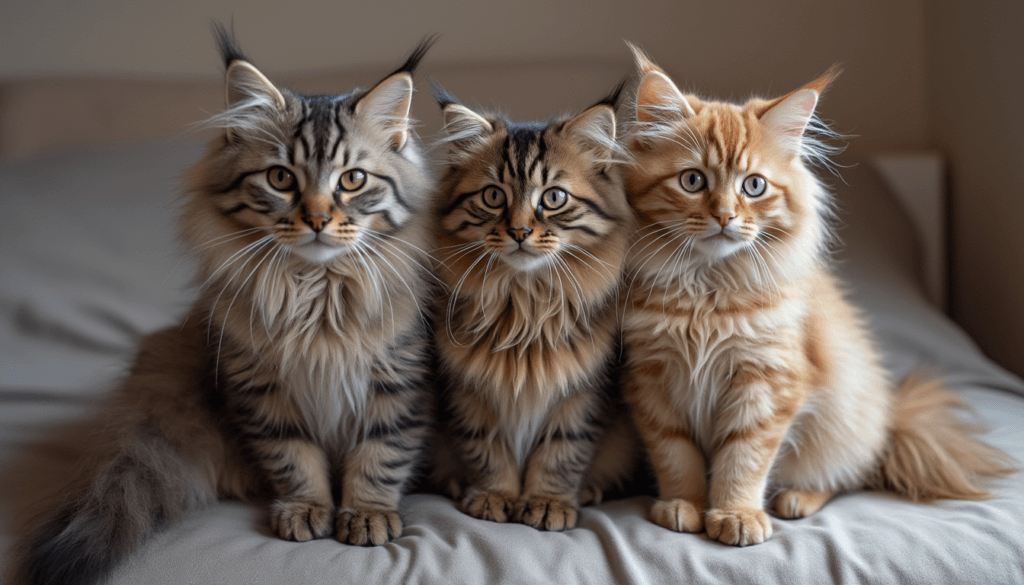
Long-haired cats, bless their fluffy hearts, come with their own set of grooming challenges. Breeds like Persians, Maine Coons, and Ragdolls are known for their luxurious locks, but maintaining that glamour takes more than just a quick brush. Knowing the breed specifics can help tailor the grooming routine perfectly. Some have undercoats that require extra attention, while others might have silky strands that easily tangle.
Grooming these feline beauties might seem like a labor of love, and that it is! Mats and tangles can drive any cat parent up the wall. They don’t just look bad; they can cause skin irritations and discomfort for your fur baby. Establishing a solid grooming routine isn’t just about vanity; it’s about their health and happiness.
Understanding your cat’s body language during grooming can make all the difference. Some cats might purr themselves silly at the first sight of a comb, while others may need a little gentle reassurance. Watch out for those ear twitches, tail flicks, and those unmistakable wide-eyed glares. They speak volumes. Getting a sense of what your cat is saying can help make grooming a peaceful activity for both of you.
Essential Grooming Tools and Techniques
When it comes to grooming your long-haired cat, the right tools make all the difference. Investing in a quality slicker brush and a wide-tooth comb is a great start. These tools help detangle those stubborn knots and reduce shedding.
Brushing isn’t just a quick back-and-forth action. It’s more of an art, really. Gently work from the ends of the hair toward the roots to minimize pulling. Pay attention to the underneath parts like the belly and hind legs, where mats tend to form.
Conditioners and detangling sprays are your secret weapons. A quick spritz before brushing can work wonders, making the coat more manageable and reducing the risk of breakage.
Deshedding becomes crucial during those shedding seasons. A de-shedding tool can deal with that thick undercoat that often gets overlooked. Regular sessions help keep the fur around your home and furniture to a minimum.
Bathing and Coat Maintenance
Bath time for your long-haired feline doesn’t have to be an ordeal. While these cats don’t need a bath every week, regular cleaning can help keep their coats looking luscious and healthy. Typically, once a month should do the trick unless they decide to go on an unexpected adventure that leaves them dirty.
Creating a stress-free environment is key. Some cats might not be fans of water, and that’s okay. Using a hand-held showerhead or cup to gently pour water is often less intimidating than a running tap.
A healthy diet plays a significant role in coat maintenance. Omega-3 and Omega-6 fatty acids in their food can enhance shine and reduce shedding. Always make sure they’re getting the right nutrients.
Don’t forget about those pesky fleas and skin conditions. Flea combs and regular checks can help prevent infestations, and knowing what signs to look out for can nip potential skin issues in the bud.
Dealing with Common Grooming Challenges
Hairballs are undoubtedly a hairy situation with long-haired breeds. Regular grooming and a hairball prevention diet can significantly reduce the occurrence. Look for cat food formulas that aid digestion to help tackle the problem from the inside out.
Stress and anxiety during grooming sessions can turn the process from serene to stormy. Take your time, and if needed, break the grooming into shorter sessions. Sometimes, a little catnip before grooming can ease the tension and make your cat more agreeable.
Dematting those stubborn tangles can be tricky. Using your fingers to gently pull apart the mat before using a comb can prevent discomfort. If knots persist, don’t hesitate to try a dematting tool—just be sure to use it carefully to avoid any snags.
Sometimes, professional groomers are the heroes we need. If home grooming turns into a wrestling match every time, consider seeking professional help. They have the experience and tools to handle the most complicated grooming challenges safely.