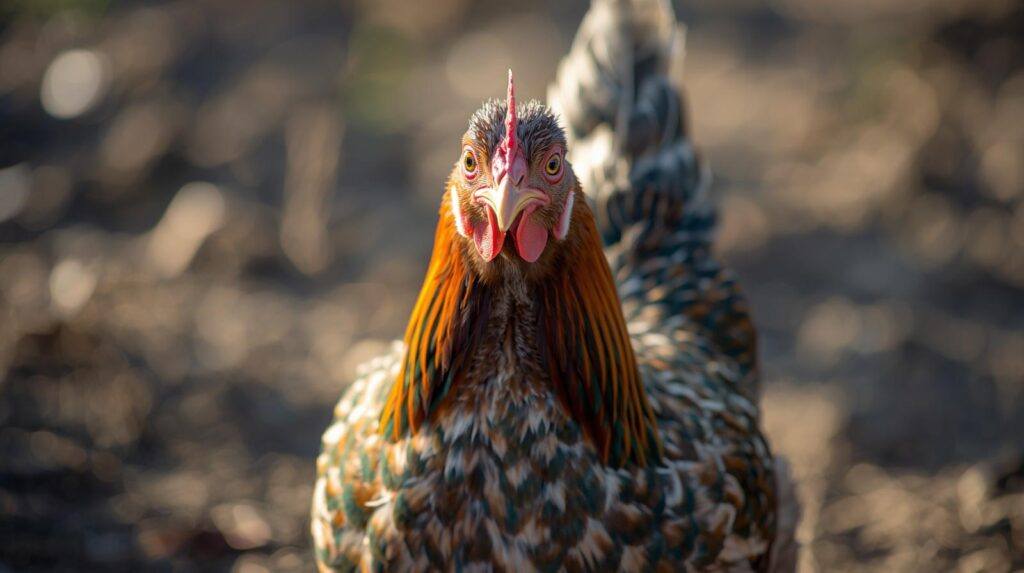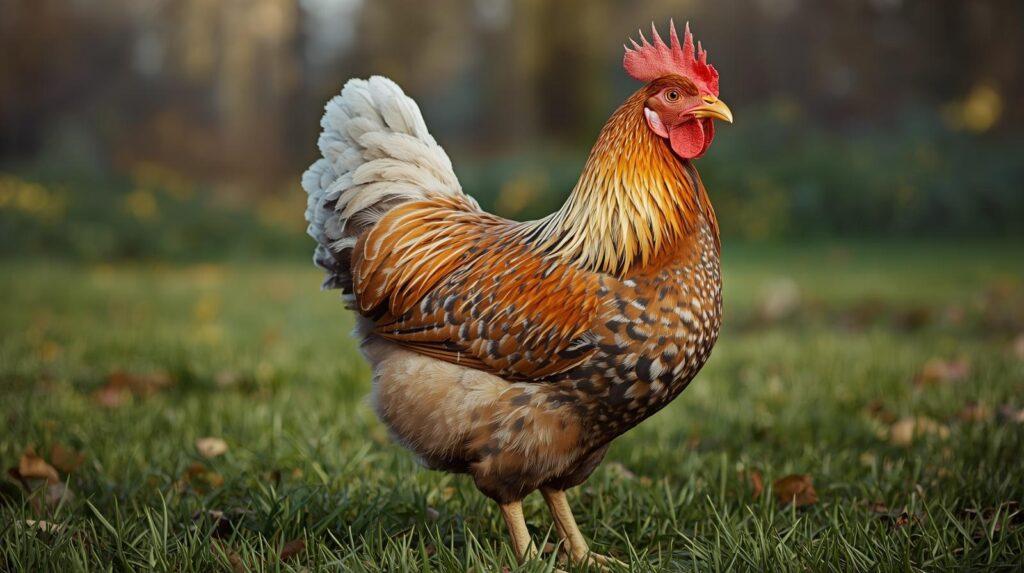
Easter Egger chickens aren’t your average flock members. These delightful birds bring a splash of diversity into any coop with their colorful personalities and eclectic mix of feathers. Unlike single-breed chickens, Easter Eggers aren’t a defined breed; they’re hybrids typically resulting from mixing American Araucanas with other types of backyard favorites. What sets them apart is their tendency to inherit some of the Araucana’s charming traits, like tufted cheeks and a rainbow of egg colors.
If you’re curious about how Easter Eggers stack up against pure breeds, it’s all about variety. While some chickens have uniform looks and personalities, Easter Eggers come with a delightful unpredictability. This means each bird could surprise you with different feather patterns, colors, and even unique behaviors. There’s no standard list for how they should look or act—every Easter Egger brings its own flair to the flock.
What’s special about these chickens, aside from their cookie-cutter defying appearances, is their adaptability. Easter Eggers are hardy birds that thrive in various climates, making them a sturdy choice for both newbie and seasoned chicken keepers. They’re generally friendly and easy to manage—a big win if you’re adding them to a mixed-breed flock.
So, why are Easter Eggers so popular among backyard cluckers? It’s simple: they add vibrant diversity without compromising on temperament or productivity. With the extra perk of eggs in an array of colors ranging from pale blues to olive greens, it’s no wonder people are drawn to these charming hens. Plus, their less-than-perfect lineage means they’re often a bit more budget-friendly compared to purebreds, which makes them an excellent choice for those starting or expanding their backyard chicken adventure.
Colorful Varieties: The Easter Eggers’ Egg-Laying Wonders
Easter Eggers are renowned for their vibrant eggs, adding a splash of color to any egg carton. From dreamy pastels to earthy greens, these hens are like nature’s own Easter egg decorators. It’s their genetic makeup that sprinkles this magic—no two eggs are the same shade, adding an element of surprise every time you check the coop.
The color parade in those eggs isn’t just random luck. Genetics plays a massive role, with their Araucana lineage partially responsible for their colorful reproduction. Environmental factors like diet and stress levels can also tweak those hues a bit, though the heart of their egg shell color remains genetic. For you, that means healthier hens could yield more vibrant eggs.
When it comes to egg production, Easter Eggers hold their own. They generally lay consistently, often producing three to four eggs a week. While they might not out-lay prolific breeds like Leghorns, the joy of finding a mix of colors is a benefit many peep keepers are happy to trade for sheer quantity.
Despite rumors, the color of an egg’s shell doesn’t affect its taste or nutritional value. Whether you’re cracking open a sky-blue egg or a speckled olive one, the insides are all equally delicious. That said, giving your Easter Eggers a balanced diet supports good health and can ensure they’re laying as efficiently as possible.
There’s something uniquely rewarding about a batch of Easter Egger eggs—not just because they’re tasty and varied, but because they represent the lovely individuality of the birds themselves. Raising these chickens is like having a mini Easter hunt every day, and feeling that little burst of happiness when you discover a clutch of colorful eggs in the nesting box. It’s the simple pleasures that make keeping Easter Eggers so special.
Raising Easter Egger Chickens: Tips for a Happy Flock
Creating a comfy home for your Easter Eggers is the first step in ensuring these chickens thrive. They need a well-ventilated, dry coop with ample space to stretch their wings. Think about it: a happy chicken is a productive one, and these birds do best when they have at least four square feet per bird inside the coop and even more room to roam outside.
Feeding your Easter Eggers right is where you lay the foundation for their health and egg-laying potential. A well-rounded diet rich in layers’ feed with balanced proteins, vitamins, and minerals keeps them sprightly and eggs lively in color. Don’t shy away from adding greens, occasional grains, and even some fruit scraps for the happy balance.
While Easter Eggers are generally hardy, health awareness is still key. Keep an eye out for common chicken ailments like mites or respiratory issues. Regular health checks and keeping their environment clean go a long way in preventing these problems. If they’re strutting happily and their feathers gleam, you’re on the right track.
Social butterflies by nature, Easter Eggers generally get along well in mixed flocks. They’re not overly aggressive, which makes them fantastic companions to more docile breeds. Watch for any pecking order issues, though—that’s part and parcel of chicken life! Provide a few extra feeding and watering stations to curb competition and keep things peaceful.
Ultimately, raising Easter Egger chickens is all about balance. Whether it’s the range of colors in their eggs or their friendly demeanor, these adaptable birds bring an element of fun and diversity to backyard chicken keeping. Treat your flock well, and they’ll repay you with vibrant eggs and even brighter personality.
Benefits and Challenges of Keeping Easter Eggers
Choosing Easter Eggers for your coop brings a bunch of perks. These chickens are not only a joy for the eyes with their variety in egg colors, but they’re pretty low-maintenance too. Their easygoing nature makes them excellent for families or anyone new to chicken-keeping.
Easter Eggers are known for their friendly and curious temperament, which adds some excitement to your daily routine. They’re inquisitive little creatures that may even come pecking at your boots in search of a treat. Plus, their varied looks mean you’ll never get bored—a diverse flock keeps things interesting!
However, challenges exist, like managing mixed genetics, which can mean unexpected traits or behaviors. It’s kind of a lottery when it comes to specific habits or appearance. But that randomness is part of their charm and the surprise factor many people find appealing.
Keeping Easter Eggers does pose some challenges. They require a little patience, especially since they might not lay as frequently as some high-production breeds. Plus, if you’re set on certain egg colors, remember that nature doesn’t take requests. You might start out with vibrant blues only to see more neutrals as time rolls on.
Many backyard farmers find Easter Eggers a rewarding addition, thanks to their adaptable nature and the colorful egg basket they provide. Hearing about success stories from chicken keepers who’ve been rewarded with these colorful clutches often inspires newcomers to try raising a batch themselves. Whether it’s the kids running around with delight at the sight of fresh blue eggs or the thrill of cracking open a new shade, Easter Eggers deliver moments worth waking up for every day.