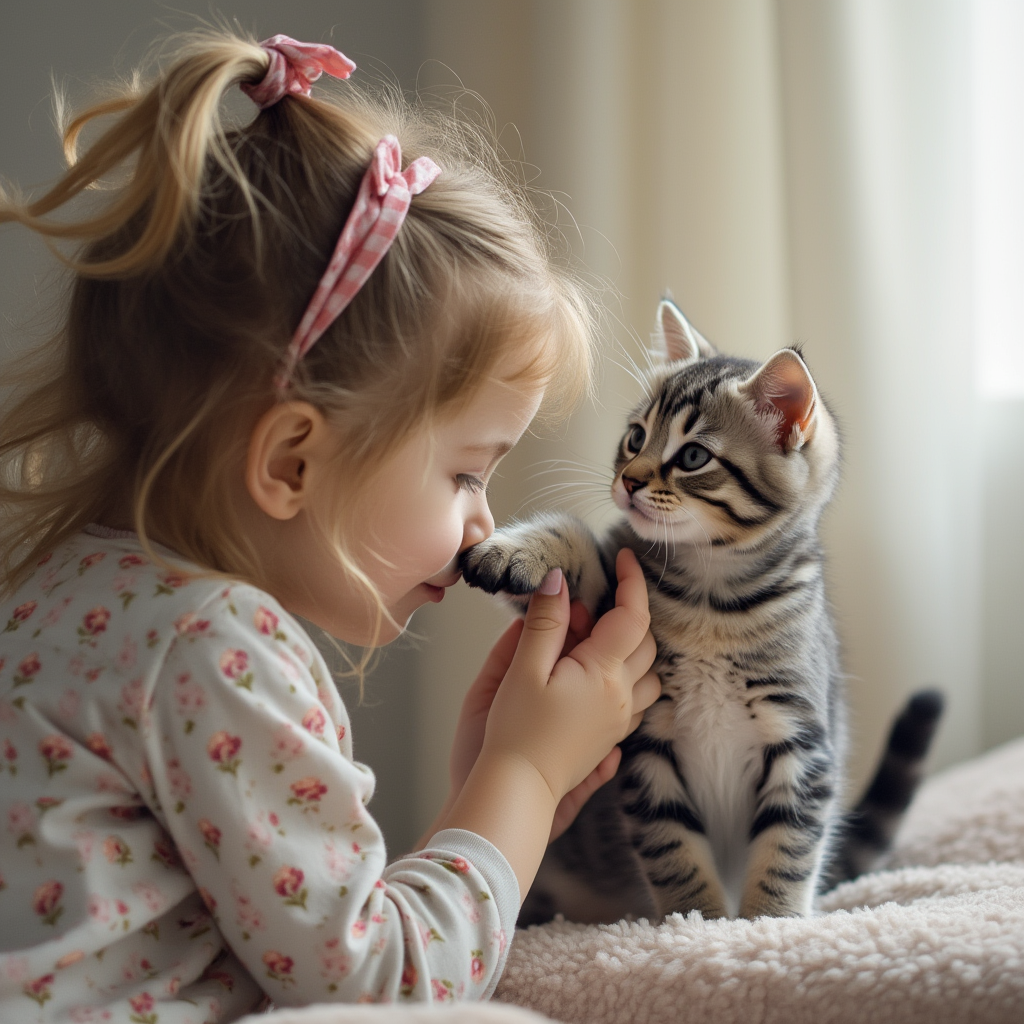
The Domestic Shorthair cat has this rich tapestry of a story, tracing back from its wild beginnings to becoming one of the most adored pets in many homes today. These cats are kings and queens in various living rooms worldwide, and they’ve navigated quite the journey to claim their cozy thrones.
If you look at a Domestic Shorthair, you’ll notice they come in all shapes and sizes, rocking a variety of colors and patterns. It’s like each one decided to express themselves through fur fashion. Whether it’s the classic tabby stripes, solid colors, or even some wild spots, they each have their own unique runway-ready look.
Recognizing these cats isn’t just about their stunning coats. They’ve got strong bodies, a friendly demeanor, and those eyes that seem to know more about your day than you do. Unlike some fancy, uniform breeds, Domestic Shorthairs have a charm that lies in their individuality—a feline surprise box, if you will.
What’s cool about them is how they differ from other cat breeds. They’re not defined by an exact standard, which means every Domestic Shorthair comes packed with personality and can easily fit into different lifestyles. While some breeds might be known for specific quirks or needs, these cats are down-to-earth and versatile, making them the “people’s cat.”
Living with a Domestic Shorthair: A Delightful Experience
Domestic Shorthairs have this cool blend of independence and cuddle-craving that wins over just about anyone. They’re perfectly happy doing their own thing, but they love a good rub or chill session on the couch with you. It’s like they always know when you need a break and a little feline therapy.
When it comes to health, these cats are generally pretty sturdy. However, it’s wise to keep an eye out for any sneaky issues that might pop up. Regular vet check-ups, balanced nutrition, and a bit of playtime keep them in top-notch condition. And don’t forget, a healthy cat is a happy cat!
On top of all their adorable quirks and lovable traits, Domestic Shorthairs offer real emotional and mental health benefits. Snuggling up with them can soothe the soul after a long day, offering a purr-fect source of relaxation and happiness. These cats are more than just pets; they’re family.
Feeding them isn’t rocket science, just some good-quality cat food that suits their age and lifestyle. They’re not about that fancy lounge diet, but they do need meals that keep them energized for their next adventure around the house. Alongside that, a few daily bursts of play are perfect for burning off their intense curiosity and energy.
Training a Domestic Shorthair can be a fun adventure. They’re quick learners and love anything that keeps their brains ticking. Try puzzles, new tricks, or even simple games to push their smarts and keep those whiskers twitching with excitement.
The Bond Between Humans and the Domestic Shorthair
For families and individuals alike, Domestic Shorthairs are the ideal companions. Their easy-going nature makes them adaptable to almost any household. They can go from being a child’s playmate to an adult’s calming presence, bringing a sense of warmth and fun to daily life.
I love hearing stories from folks who share their lives with these wonderful cats. There are tales of laughter, comfort, and sometimes even silly antics that become cherished memories. It’s this shared journey of joy and companionship that stands out, strengthening the human-feline bond.
To ensure these bonds are strong, creating a loving environment is key. Safe spaces for climbing, cozy spots for naps, and enough toys to keep them engaged are essential. It’s about giving them a home where their inquisitive nature and playfulness flourish.
Amazon Associate creator receives compensation for qualifying purchases