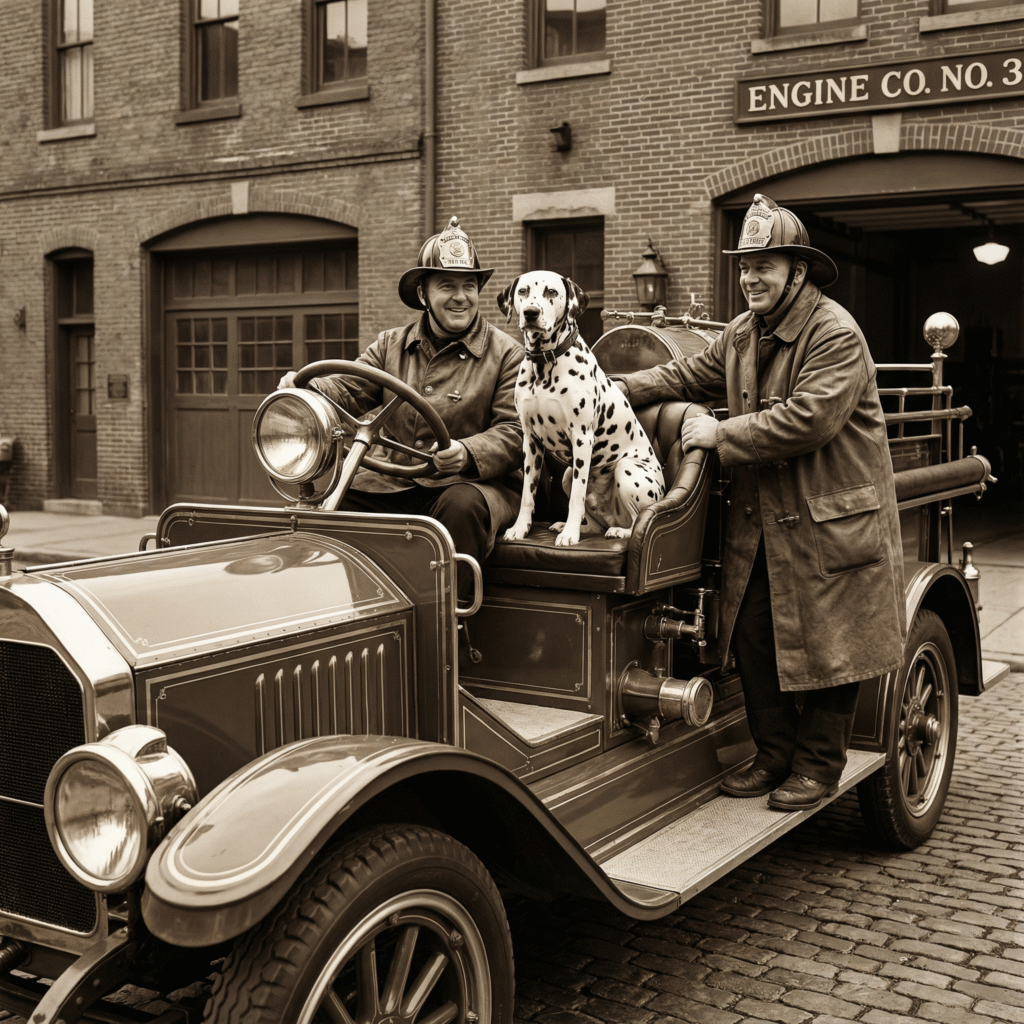
Dalmatians are pretty iconic, right? But did you ever wonder where they come from? The distinct spots we’re so familiar with have been celebrated for centuries. Though not everyone agrees, most historians trace these spotted marvels back to Dalmatia, a region in modern-day Croatia. This gives them not only an exotic vibe but a rich cultural heritage.
These dogs were more than just pretty faces. They had jobs! Dalmatians served as carriage dogs in the 18th century, running alongside horse-drawn carriages to protect the horses and the load from threats like wild animals. Over time, they became associated with firehouses because they got along well with horses and were excellent at calming them down around all the chaos. Imagine these spotty wonders doing their firefighter thing!
The history of a Dalmatian isn’t just about where they’ve come from. It’s about understanding what makes them tick today. Those lively, protective instincts? Yep, traces back to their early jobs. Their charismatic, loyal nature? Well, carries through from helping out their human counterparts for ages. Understanding where these pups come from really helps you get why they are the way they are, helping you relate to them as more than just that dog with spots.
Dalmatian Traits: More Than Just Spots
We all know the Dalmatian for those unmistakable spots, but there’s a lot more beneath that unique coat. These dogs often have a ton of personality to match their bold exterior. Curious and active, they love being part of the action, whether that’s a family outing or playtime in the backyard. Their sociable nature shines through in almost every interaction.
These spotted pals are sturdy and athletic, with a lean build that hints at their high energy levels. This isn’t a lay-on-the-couch-all-day kind of dog. They need their exercise, whether it’s through a nice brisk walk or an intense game of fetch in the park. Keeping them active is key to a happy Dalmatian; it’s in their nature.
While they’re plenty playful, Dalmatians are mightily smart too. That intelligence makes them quite trainable, but it also means they need mental stimulation to keep from getting bored. Training them can be lots of fun and rewarding if approached with a little patience and creativity. Think interactive toys, puzzle games, and even agility training. These activities can tap into that sharp mind and energetic spirit effectively.
Of course, every Dalmatian has its quirks, just like us. Being in tune with their individual personality makes it easier to bring out the best in them. Remember, under those iconic spots is a complex, intelligent animal with their own set of likes and dislikes. Embrace their quirks as part of their charm and watch your relationship grow.
Raising a Dalmatian: Care, Health, and Nutrition
Taking care of a Dalmatian isn’t just about feeding and grooming; it’s about ensuring they live their best life. Proper diet, regular exercise, and grooming routines are fundamental for these energetic buddies. Their high activity level means they need a balanced diet with sufficient protein to support their lean muscles. Investing in quality dog food or consulting a vet for dietary advice makes a world of difference.
Grooming a Dalmatian is fairly straightforward, thanks to their short coat, but don’t underestimate the amount of shedding. Regular brushing helps manage their fur, keeps it shiny, and is a great bonding activity. Plus, their strong nails grow quickly, so keep an eye out for those monthly trims.
Like many breeds, Dalmatians have specific health issues they’re prone to. Hearing problems are quite common in the breed, and it’s something to be mindful of from an early age. Regular vet check-ups can help track their hearing health, among other things.
Staying ahead of potential urinary issues is crucial for Dalmatians since they’re prone to developing bladder stones. Ensuring they have plenty of fresh water available and maintaining a balanced diet can significantly minimize these risks.
Providing for a Dalmatian means tapping into their high-energy outlook and ensuring their health needs are met regularly. They thrive on routine, so establishing these care habits early on makes for a happy, healthy dog.
Dalmatian Companionship: Building a Bond
Dalmatians aren’t just pets—they’re family. They tend to thrive in households where they can be part of everyday activities. Their playful nature makes them great with kids, though supervision is always a good idea when dealing with younger children.
These spotted wonders usually get along well with other pets, especially if they’ve been socialized from a young age. Early socialization can prevent firmness to strangers or other animals, helping them become well-rounded pups in various situations.
Training and socialization aren’t just about obedience; it’s the foundation of building trust. With their intelligence and eagerness to please, positive reinforcement goes a long way in strengthening your bond. Dog classes or playful training sessions can make this process enjoyable and rewarding for both of you.
Some families share stories of how Dalmatians have transformed their lives and brought unexpected joy and companionship. Whether it’s through everyday adventures or simply cuddling on the couch, these experiences cement the reasons why Dalmatians make beloved family members.
With their playful spirit, intelligence, and eagerness to be part of a family, Dalmatians offer companionship that’s hard to match. Embrace each moment with your spotty friend and watch the bond between you grow.
Amazon Associate receives compensation for qualified purchases
Shop Amazon