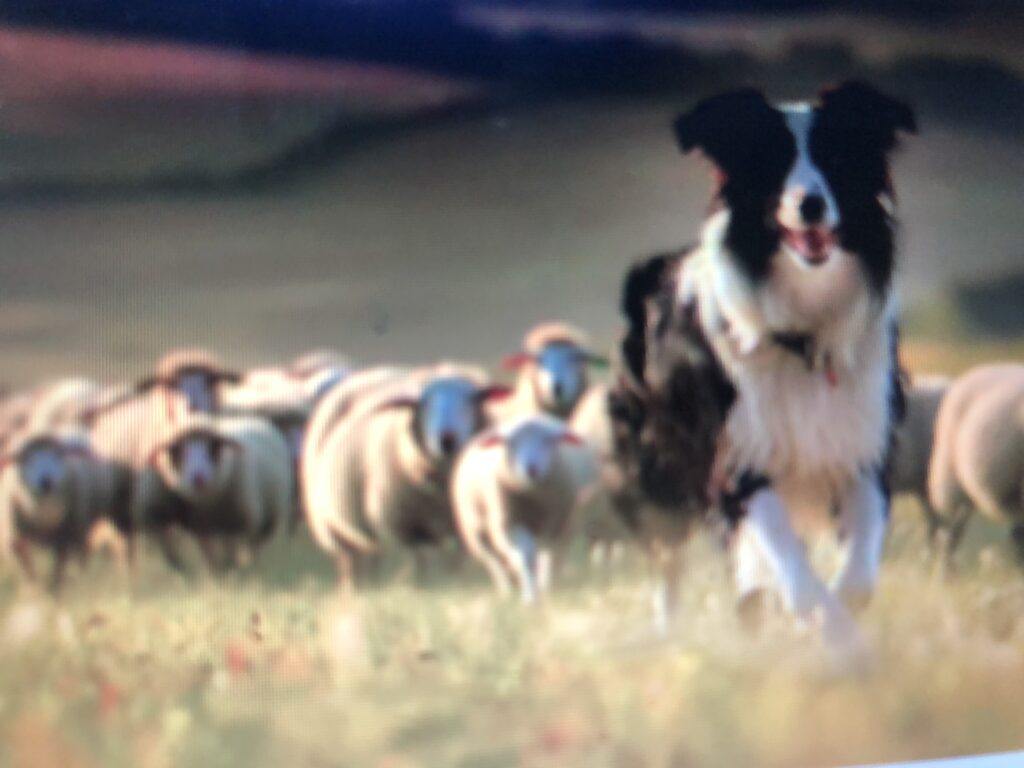
Border collies often steal the spotlight when it comes to canine intelligence. These dogs seem to know what you’re thinking even before you do. Their intelligence isn’t just about knowing basic commands though – it’s about problem-solving and understanding intricate instructions. It’s no wonder they can manage a flock with just a few well-timed glances and some running around.
Instinct plays a huge role in what makes these dogs exceptional. They have a natural herding instinct, which kicks in almost like magic. You might have noticed a border collie rounding up kids in a park or trying to herd cats. That’s their herding drive at work, an instinct that’s been sharpened over generations.
Researchers have had their share of amazement too. Studies often rank border collies at the top for intelligence among dog breeds. Expert observations show that they’re incredibly quick learners, picking up on new tasks often after just a few repetitions. It’s not all about herding sheep; these dogs thrive in agility competitions and as working dogs in various roles.
When it comes to brains and adaptability, border collies are a different league. Compared to other breeds, their ability to perform complex tasks sets them apart. Whether it’s fetching more than just a ball or understanding hand signals from far away, border collies adapt and conquer challenges with ease. If you’re thinking about welcoming one into your life, be ready for a partner who’s always eager to learn and work.
The Evolution and History of Herding Dogs
Let’s take a trip back in time to see how border collies came to be the herding superstars they are today. These dogs have a rich history, deeply intertwined with agriculture and pastoral life. Originating from the border regions of England and Scotland, border collies were bred for their sharp herding instincts and unmatched stamina.
The breeding of border collies wasn’t all about looks but about their unrelenting work ethic. Early shepherds needed dogs that could work tirelessly over rough terrain and in all weather conditions, and border collies fit the bill perfectly. This practical breeding focused on natural herding instincts, making them ideal for managing large flocks.
Over the years, border collies became the go-to choice for sheep herding, thanks to their remarkable ability to control and maneuver sheep with minimal fuss. Their iconic ‘eye,’ or intense gaze, plays a huge role in their herding technique, allowing them to direct sheep with confidence and precision.
As herding practices evolved, so too did the role of border collies. From historical pastures to modern farms, these dogs have adapted alongside advances in agricultural methods. Selective breeding has honed specific traits, preserving their herding prowess while maintaining their amiable temperament. Their legacy is a testament to their enduring utility and the continuing relevance of their skills in today’s farming practices.
Training Border Collies: Techniques and Challenges
Training a border collie to herd isn’t just about teaching commands; it’s about tapping into instincts that are already there. These dogs come with a natural talent for herding, and training can be more about guiding and refining that ability. Basic herding training involves commands like ‘come by’ for left turns and ‘away’ for right.
Start by letting them take charge in a controlled environment. It’s key to watch how they naturally interact with the flock and guide them to refine those behaviors. It helps to be consistent and patient, using positive reinforcement to encourage the desired actions.
Professional trainers suggest breaking down the training into simple steps so the dog can succeed and gain confidence. Gradually introduce more complex herding tasks, ensuring they master each stage before moving on. Remember, each border collie is unique, and they learn at their own pace.
Challenges can crop up, no doubt. Some dogs might wander off track or get too excited, which can confuse the sheep. In these cases, it’s effective to recalibrate their focus using clear commands and signals. Keeping calm and persistent is important during setbacks, as patience will pay off in developing a reliable herding dog.
Training isn’t just about the dog adjusting; it’s also about adapting your methods as you both learn what works best. Creating a bond of trust and understanding between you and your border collie can enhance the herding process and make it a rewarding experience for both.
The Role of Border Collies in Modern Agriculture
Border collies are still superstars in the world of modern-day farming. Their herding skills are as relevant now as ever, making them invaluable to farmers managing flocks of sheep. These dogs excel in tasks that machines can’t handle, offering a more natural and humane approach to animal management.
Their ability to work efficiently means farms run smoother and more sustainably. By effectively managing livestock movement, border collies help reduce stress on the sheep, leading to better overall health and productivity. This highlights their role as not just workers, but partners in farming.
Technology has enhanced various aspects of farming, but even with drones and GPS, nothing beats a border collie’s instinct. They complement technological tools, working alongside machines to offer a holistic approach to managing livestock. Far from being replaced, they’ve adapted to new roles, showcasing flexibility that benefits farmers twofold.
Farmers often share stories of their loyal and reliable herding dogs, emphasizing not just utility but also companionship. These tales illustrate how integral border collies are to daily life on a farm, reflecting their importance far beyond mere labor. In them, we see a partnership that’s both functional and emotional, a testament to a bond built on trust and shared purpose.