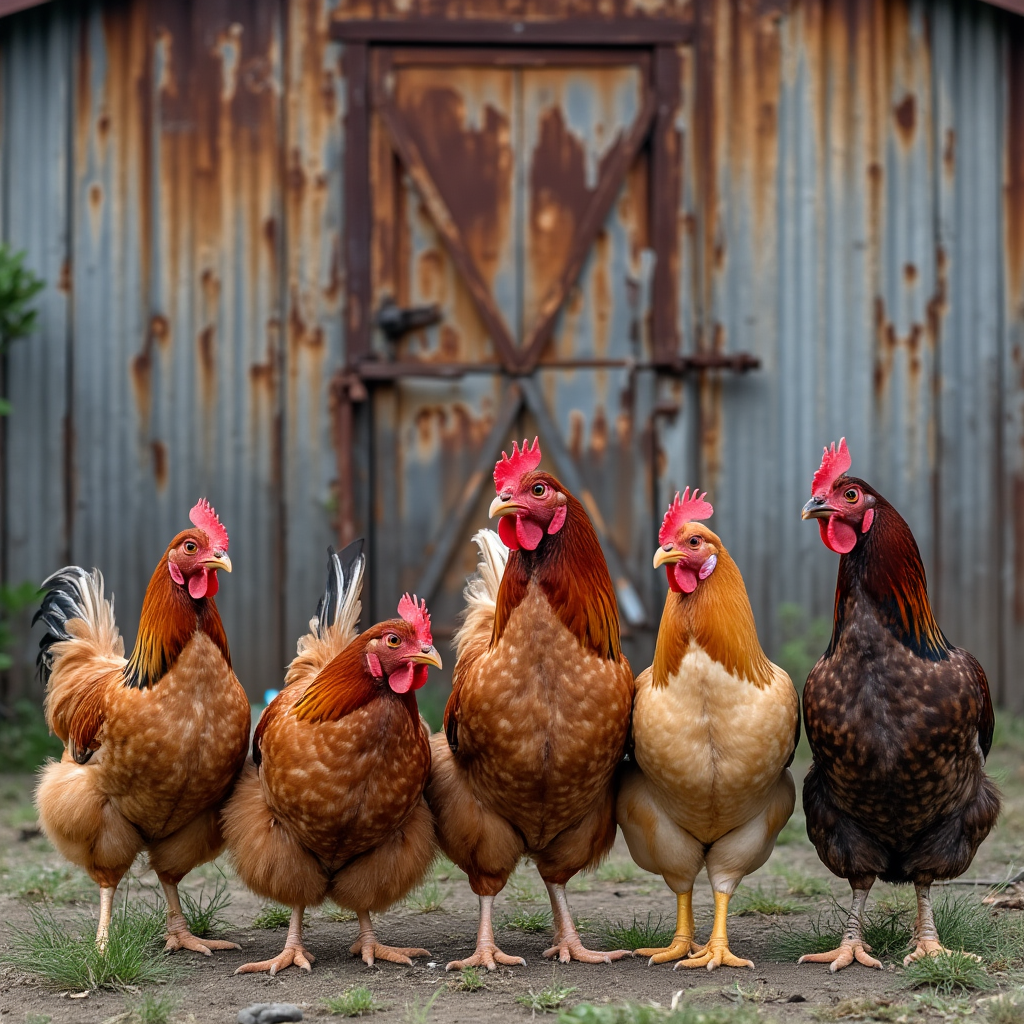
Raising chickens sounds simple, right? But it turns out there’s a whole world of possibilities depending on what you’re looking for. Before you jump into the clucking madness, think about why you want chickens in the first place. Are you dreaming of fresh eggs every morning, or is it the homegrown meat you’re after? Maybe it’s just the idea of having some feathered friends running around your yard. Identifying your main goal makes choosing the right breed a whole lot easier.
Different breeds thrive in different environments. If you’re in a chilly climate, you might need a hearty breed that can stand the cold. Those in hotter regions should keep an eye out for heat-tolerant breeds. Also, consider how much space you have. Some chickens love to roam, while others are content with a smaller patch. And don’t forget about the noise factor – some breeds are quieter than others.
Once you’ve got your initial questions answered, it is time to match your choice to your lifestyle. Busy bee? Go for breeds that are less demanding on the care front. If you’ve got time to spare and enjoy spending it outside, more care-intensive breeds might suit you well. Your daily routine, family dynamics, and how often you’re home all come into play.
Let’s talk about some of the big names in the chicken world. For egg-layers, you’ve got options like the dependable Rhode Island Reds or the prolific Leghorns. If meat’s your aim, breeds like the Cornish Cross come to mind. There are also dual-purpose champs that give you both eggs and meat. Weighing the pros and cons of each based on your purpose is crucial to your poultry plan.
In the end, finding the right chicken breed is about aligning your needs with the strengths of the birds. By considering what you want from your flock and how much you can offer them, you’re already well on the way to chicken success.
Top Chicken Breeds for Egg Production: Maximizing Your Yield
Eggs by the dozen are what many are after when it comes to keeping chickens. When aiming for egg-straordinary productivity, certain breeds naturally stand out. Let’s meet some egg-laying all-stars who are here to fill your basket come rain or shine.
Leghorns have a reputation that precedes them. These birds are like the rock stars of the egg world, laying beautiful white eggs almost daily. Expect high energy and a knack for foraging from these clever creatures. Another top contender, the Rhode Island Red, is celebrated not just for the brown eggs they lay but also for their hardy, easygoing nature. They’re less flighty compared to Leghorns and make great backyard birds.
Each chicken breed brings its own flair in terms of egg color, size, and flavor. While white and brown are common hues, breeds like the Ameraucana lay lovely blue eggs, adding some fun and color to your collection. Flavor can be subjective, but many folks swear by the rich taste of fresh eggs compared to store-bought.
Of course, a steady egg supply comes down to more than the breed itself. Care routines like feeding, providing shelter, and managing stress levels impact their productivity. Make sure they’re getting a balanced diet packed with all the essential nutrients. Eggs are mostly made of protein, so that should be a key component of any layer feed.
Sometimes egg production gets interrupted. That’s when you need to play detective. Molting, where chickens lose feathers, might be a reason for a creative break in laying. Other issues like changes in light or diet can also slow production. Most times, getting back on track is just a matter of making small adjustments in their environment or care.
When choosing your champions for egg-laying, focus on breeds known for productivity, but remember successful egg production requires a good mix of care, environment, and a little chicken wisdom. With the right approach, those hens will be laying plenty in no time.
Meat Chicken Breeds: Breeds Best for Quality and Taste
When it comes to serving up a delicious, homegrown meal, the right chicken breed makes the difference. Some breeds have been specifically nurtured to be meatier and offer a juicy bite. Cornish Cross stands out as a superstar in this category. Fast-growing and hefty, they’re ready for the table sooner than most, which suits those wanting a quick harvest.
If you’re more about rich flavor than just speed, consider the Jersey Giant. These birds take a little longer to mature but offer a superior taste and sizable portions once ready. Patience can be a handy virtue if you’re aiming for quality over quantity.
The journey to high-quality meat also involves knowing your birds’ needs. Feed them properly and make sure they have enough space to move. Exercise doesn’t just keep them happy but also adds to the overall texture and taste of the meat. A comfortable, stress-free environment is key to raising good meat birds.
Sustainable practices ensure your backyard bird farming doesn’t just benefit your dinner plate but also takes care of the environment. By reducing waste, you help maintain balance while raising these birds ethically. Remember, happy chickens mean tasty chickens.
Comparing breeds by growth rate, feed efficiency, and cost-effectiveness helps in decision-making. Some birds eat less and grow bigger, like the Cornish, making them pretty popular amongst meat enthusiasts. With each breed offering a different experience, lining up these factors helps you select your perfect match.
The Dual-Purpose Marvels: Breeds That Offer Both Eggs and Meat
For those who can’t decide between fresh eggs and delicious meat, dual-purpose chicken breeds come to the rescue. These all-rounder breeds give you the best of both worlds, making them a favorite for small-scale farmers and hobbyists alike.
Orpingtons, with their fluffy feathers and gentle disposition, are among the top picks. They lay a good number of eggs and can also be raised for meat. Plus, they’ve got the kind of temperament that makes them easy to manage, even if you’re new to the game.
Plymouth Rocks are another solid choice, sporting a friendly attitude and consistent egg production. Their sizable frame ensures you get a nice bulk of meat as well, making them a family favorite. Whether you’re after eggs or dinner, these birds deliver without fuss.
Balancing between egg production and meat quality means understanding the needs of these versatile birds. They thrive on balanced diets that support both laying and growth. Tailor their nutrition, and you’re setting them up for success in both domains.
Sometimes, the challenge with dual-purpose breeds is maintaining that balance. Overemphasizing one aspect can lead to dips in the other. Keeping an eye on their health and making adjustments as needed keeps everything on track.
Innovative practices like rotational grazing can also help, letting the birds forage naturally while still meeting their dietary demands. This approach not only boosts health but also supports their dual-purpose nature without stressing the birds or the farmer.