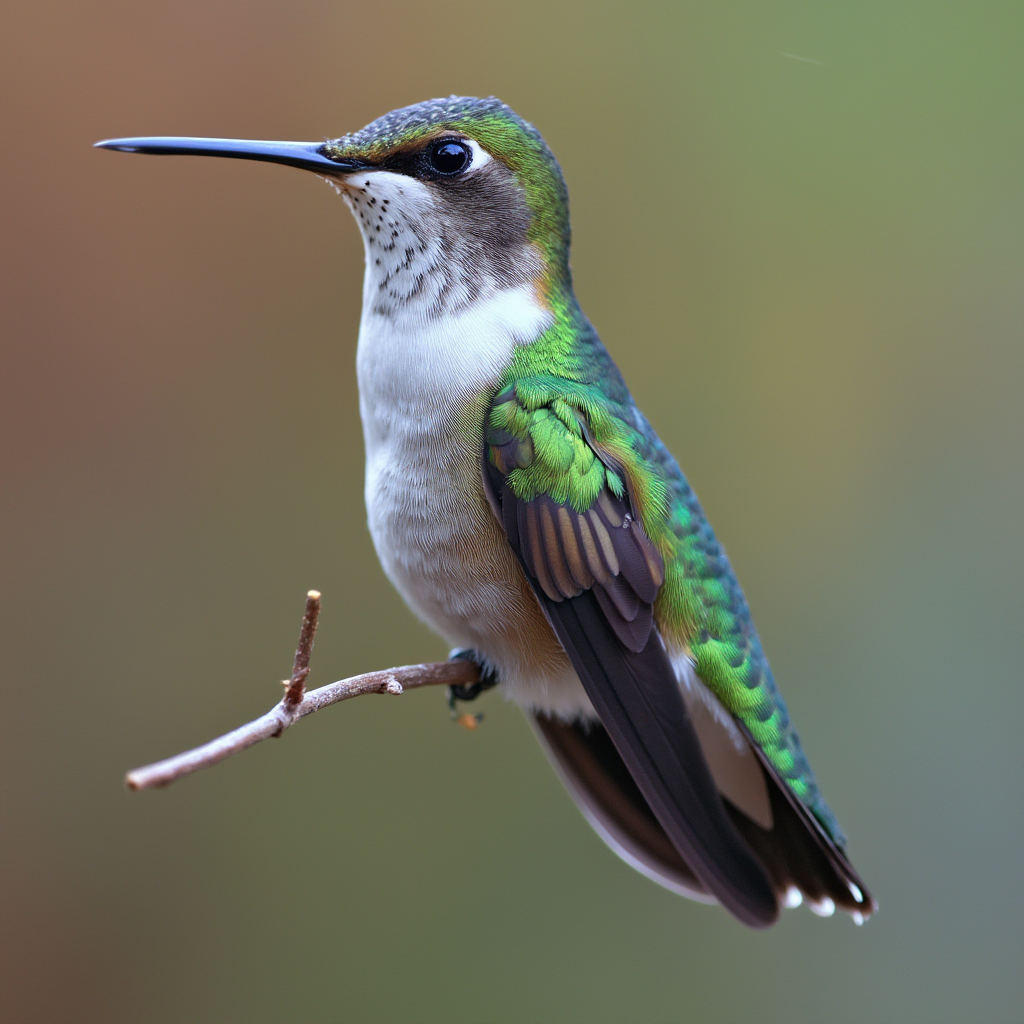
Hummingbirds are some of the most fascinating creatures fluttering around our gardens and wild spaces. From their jewel-like colors to the distinctive humming sound created by their rapid wing beats, they captivate anyone lucky enough to catch a glimpse.
There are over 300 species of hummingbirds, each with its unique traits and adaptations. These birds thrive in a variety of habitats, from deep tropical forests to lush gardens. Whether it’s the vibrant Ruby-throated hummingbird in North America or the dazzling Sword-billed hummingbird of the Andes, these birds are a delight to spot.
It’s amazing how these little birds punch above their weight in terms of ecological impact. They’re not just pretty visitors; they’re essential pollinators for many flowering plants. You might not realize it, but without them, a whole host of flora would struggle to survive. Their buzzing visits help maintain healthy ecosystems, keeping the circle of life going strong.
The Astonishing Physical Capabilities of Hummingbirds
Hummingbirds have some seriously jaw-dropping physical features that set them apart from other birds. These feathered wonders are built for high-speed maneuvering and efficiency, driven by nature’s need for survival.
Their wings are crafted for rapid flapping, allowing them to hover in place with ease. You’d be amazed at how they can zip up, down, backward, and sideways, all while sipping nectar on the fly. This unique flight ability doesn’t just make them incredible to watch but is essential for accessing food in all the right spots.
Speedy and efficient, these birds have an insanely high metabolism, beating heart rates that can reach over 1,200 beats per minute. Imagine needing to fuel that energy-packed lifestyle! They must feed multiple times a day, hitting flowers across wide areas to keep their energy levels up.
Their feeding mechanics are equally impressive. Using their long, specialized bills and extendable tongues, they slurp up nectar with grace and precision. Talk about eating on the go! With a diet so specialized, their role in pollination becomes even more critical, ensuring their constant need for fuel also boosts plant health.
The Ecological Importance and Conservation of Hummingbirds
Hummingbirds might be tiny, but they have a massive role to play when it comes to keeping ecosystems thriving. Their knack for pollination makes them vital for many flowering plants. By moving pollen from one bloom to another as they go about their day, they help plants reproduce and diversify, bringing life to forests and gardens alike.
This ecological balance isn’t without its challenges. Habitat loss and climate change are putting serious pressure on these birds. As forests shrink and temperatures soar, the places hummingbirds call home are disappearing fast. The impact isn’t just felt by the birds but by the plants relying on them, creating a ripple effect throughout the ecosystem.
Saving hummingbirds requires all hands on deck. Conservation efforts are happening on both local and global fronts, with initiatives focused on habitat restoration and education. Everyone has a part to play, from supporting local conservation groups to planting native flowers that provide food and shelter, even the smallest efforts can make a big difference for these vibrant creatures.
As stewards of our environment, we hold the power to help maintain hummingbird populations. By understanding their importance and the threats they face, we can contribute to their preservation. Whether through education, advocacy, or direct action, every contribution counts toward a healthier planet where hummingbirds continue to enchant.
Embracing Hummingbirds: How You Can Connect with Nature
Hummingbirds offer a unique opportunity to bring a bit of nature right to your window or backyard. Crafting a space that welcomes these flying gems can be rewarding and surprisingly easy. Including native plants that produce the nectar they’re after is key. Think colorful blossoms like trumpet vine or bee balm, which are sure to attract a hungry hummingbird or two.
Bird feeders can also be a great addition. Just be sure to use a simple mix of sugar and water, avoiding food coloring and opting for frequent cleaning. This not only helps hummingbirds find a reliable food source but also gives you a front-row seat to their fascinating antics as they flit about.
For those looking to capture the moment, patience and respect are your best allies. Keep a respectful distance and let their natural behavior shine without interruption. Photography can be a window into their world, revealing details that the naked eye might miss in the blink of an eye.
Hummingbirds have long held symbolic significance in various cultures. From embodying the spirit of resilience and joy in Native American folklore to being seen as messengers of prosperity in various traditions, they captivate our imaginations and remind us of the small wonders surrounding us. Connecting with these stories and sharing them keeps the legend of hummingbirds alive in our daily lives.